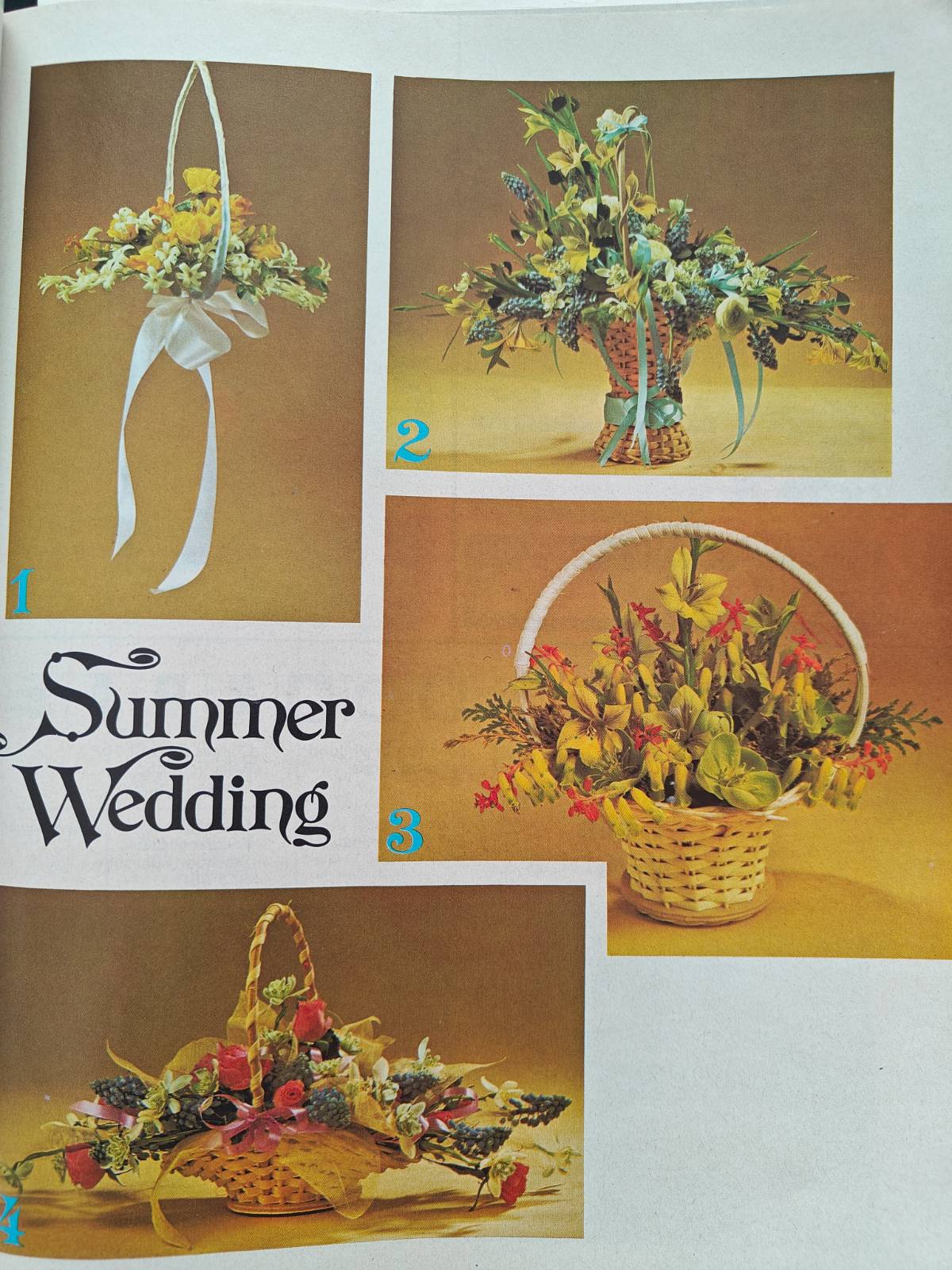
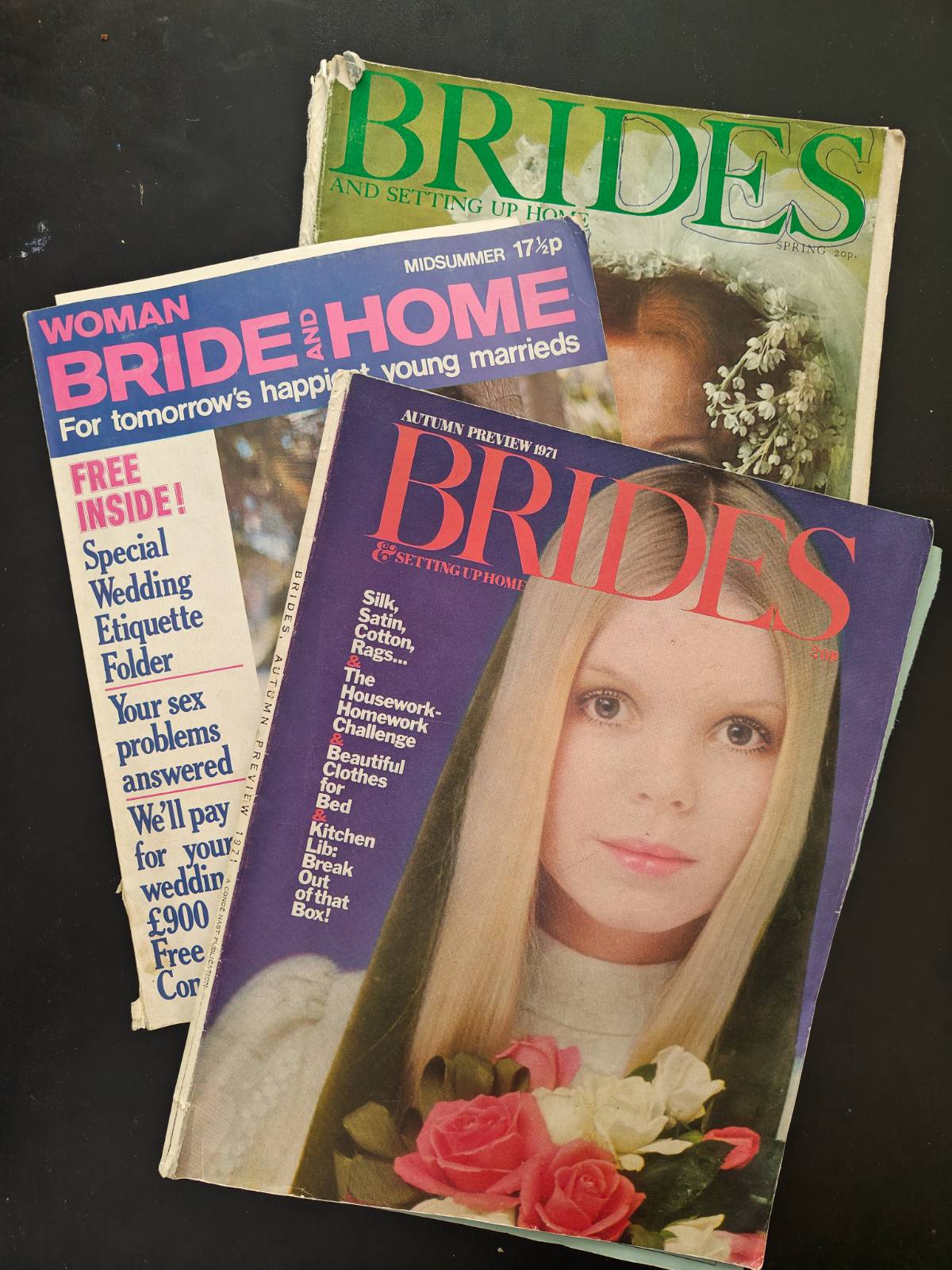
A few weeks ago, a reader reached out to say she’d found a stack of wedding magazines from the 1970s in her mum’s house and asked if I’d like them. Er, would I ever!
I love old magazines and have picked up many a vintage copy of Vogue from car boot sales and reclamation shops over the years. Wedding magazines, though, are surprisingly hard to come by. I knew they’d be fun to look through, but what I didn’t expect was how much I’d end up learning from them.
The fashion
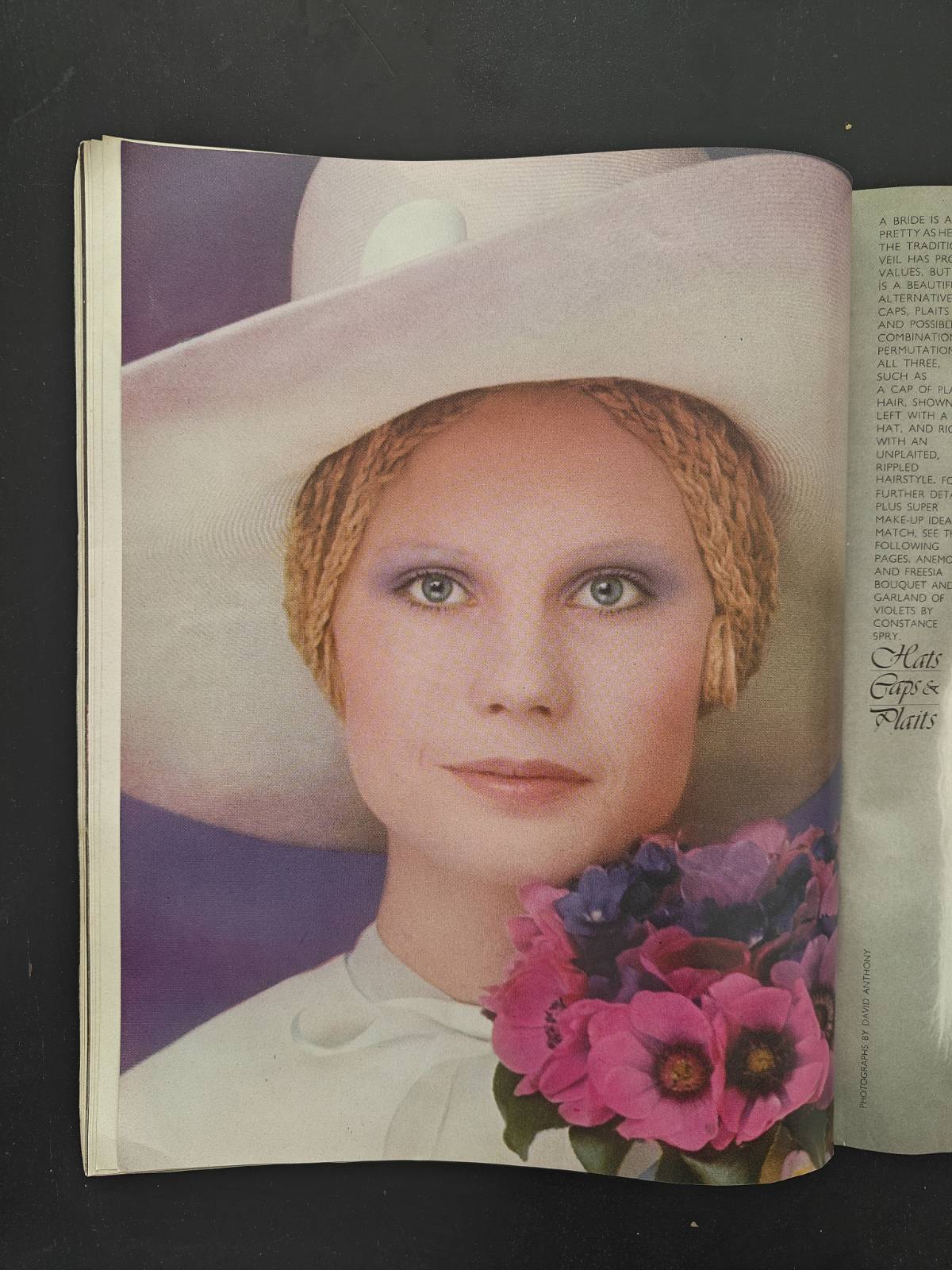
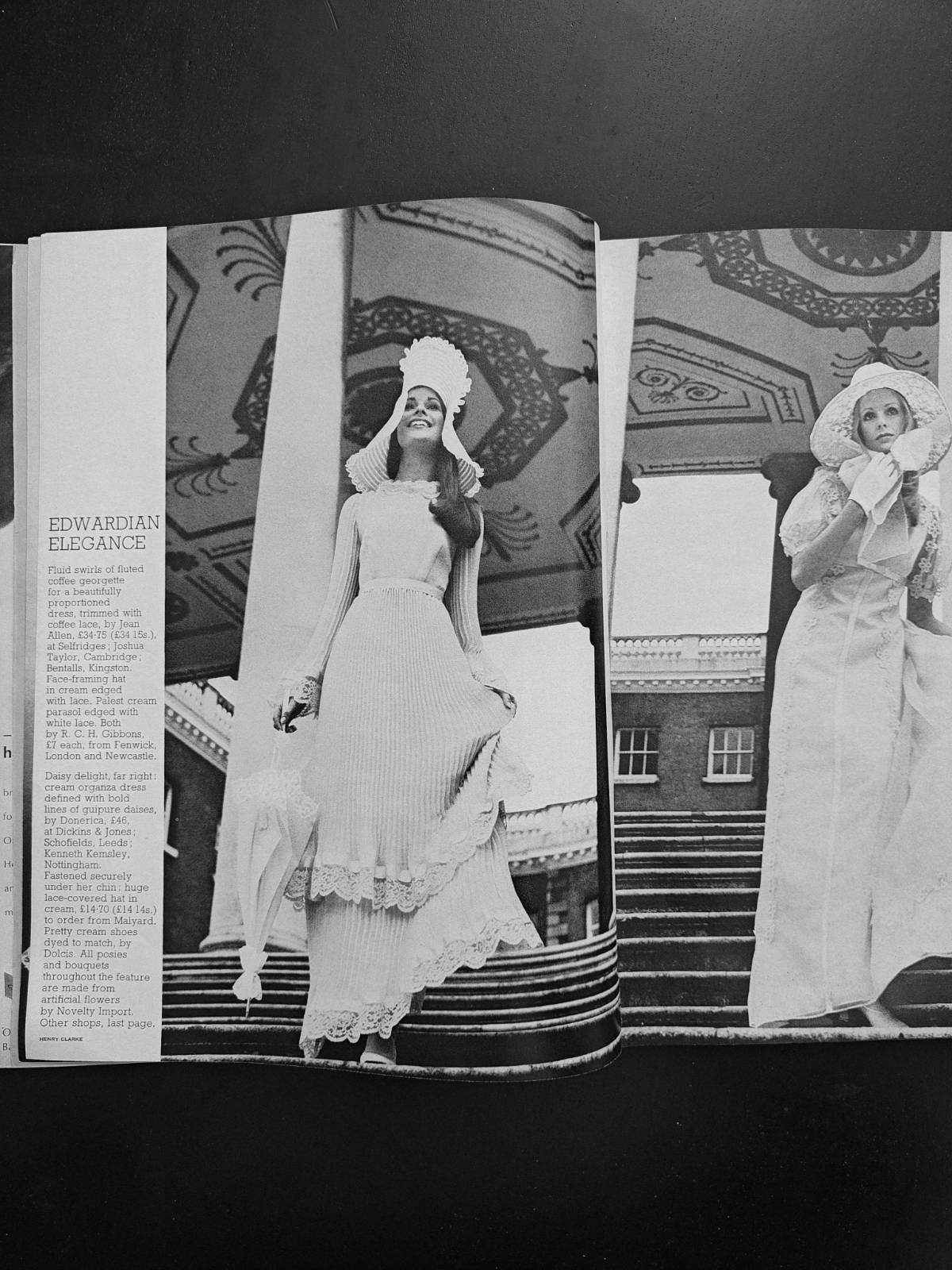
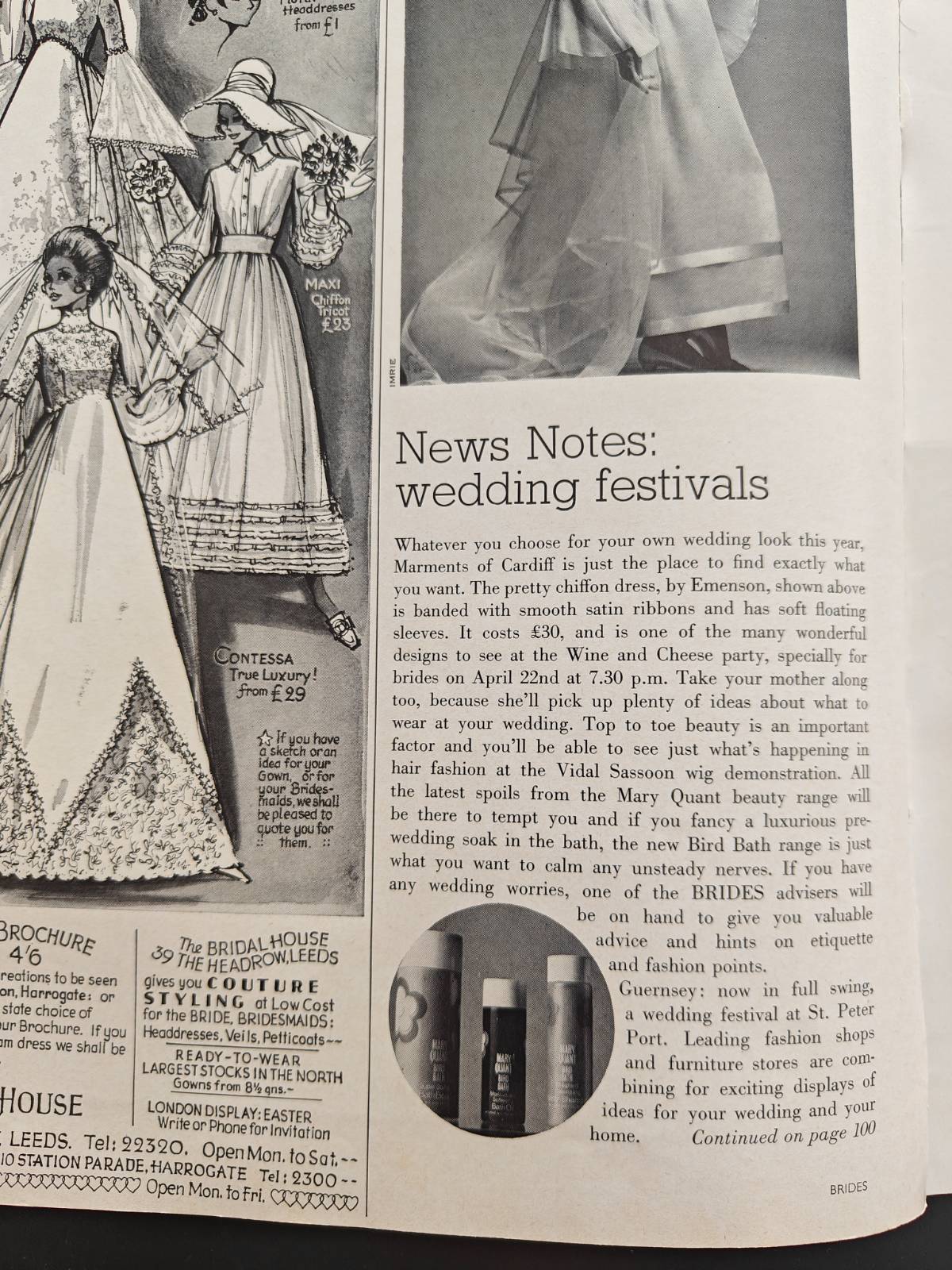
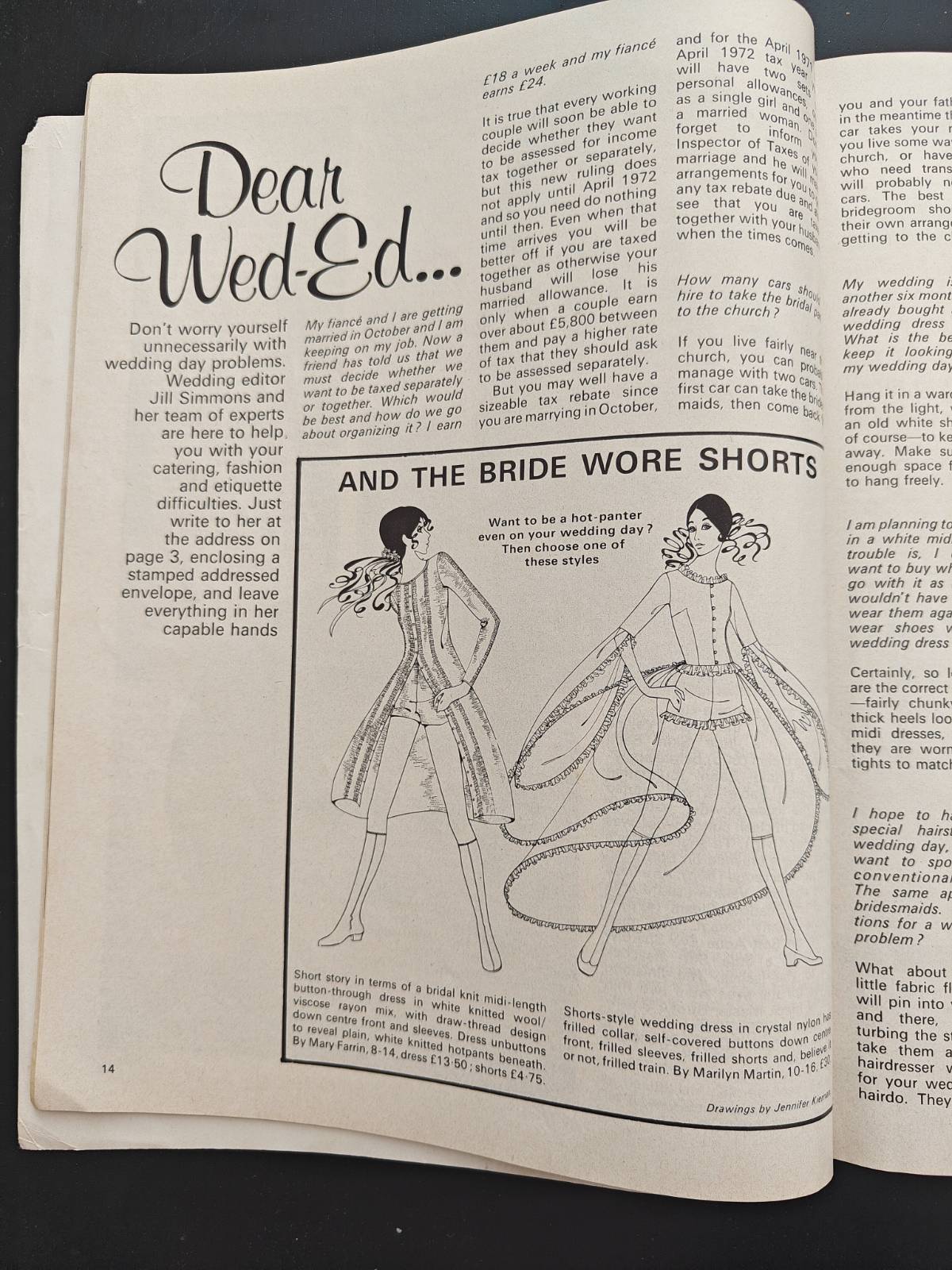
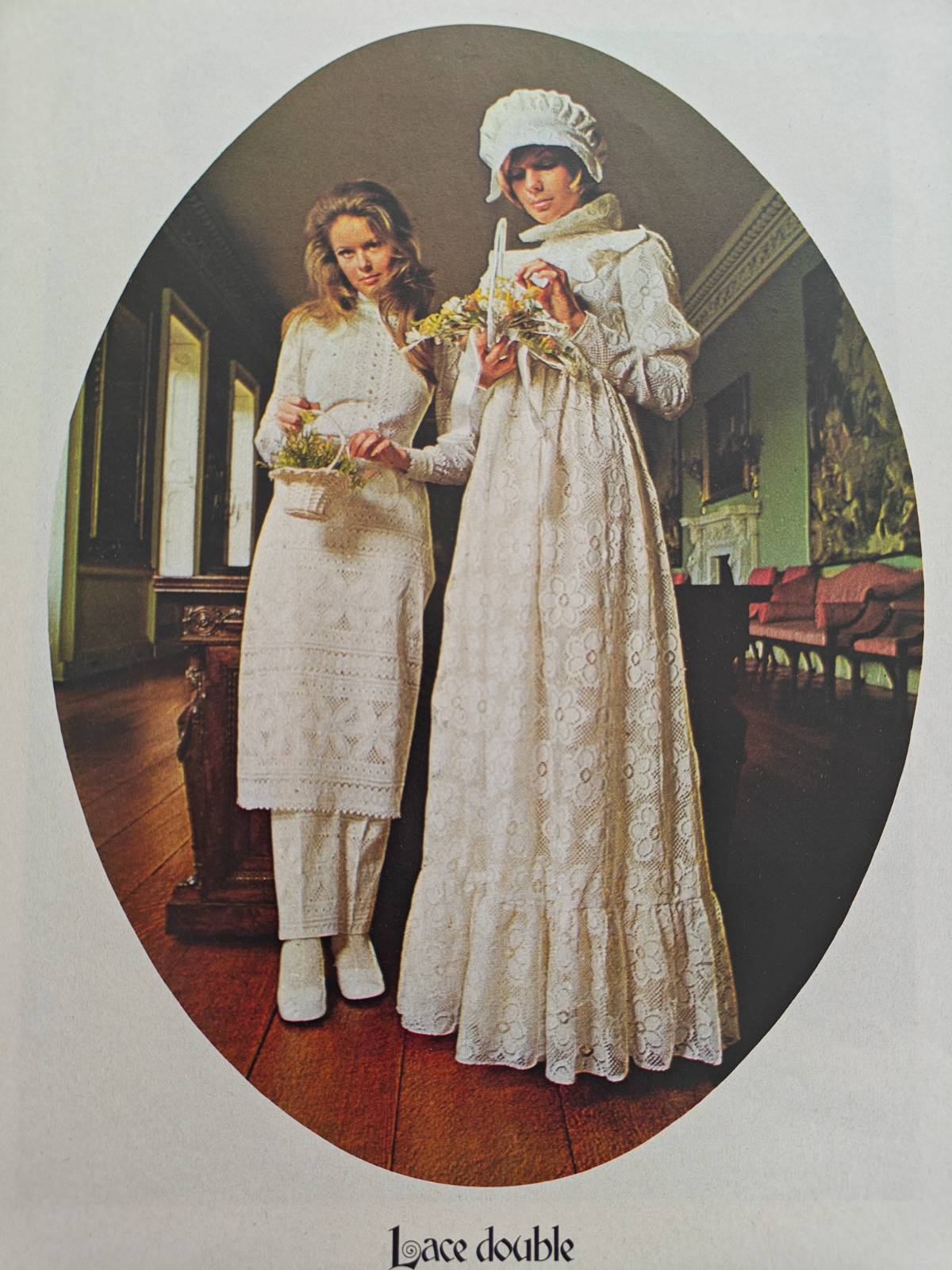
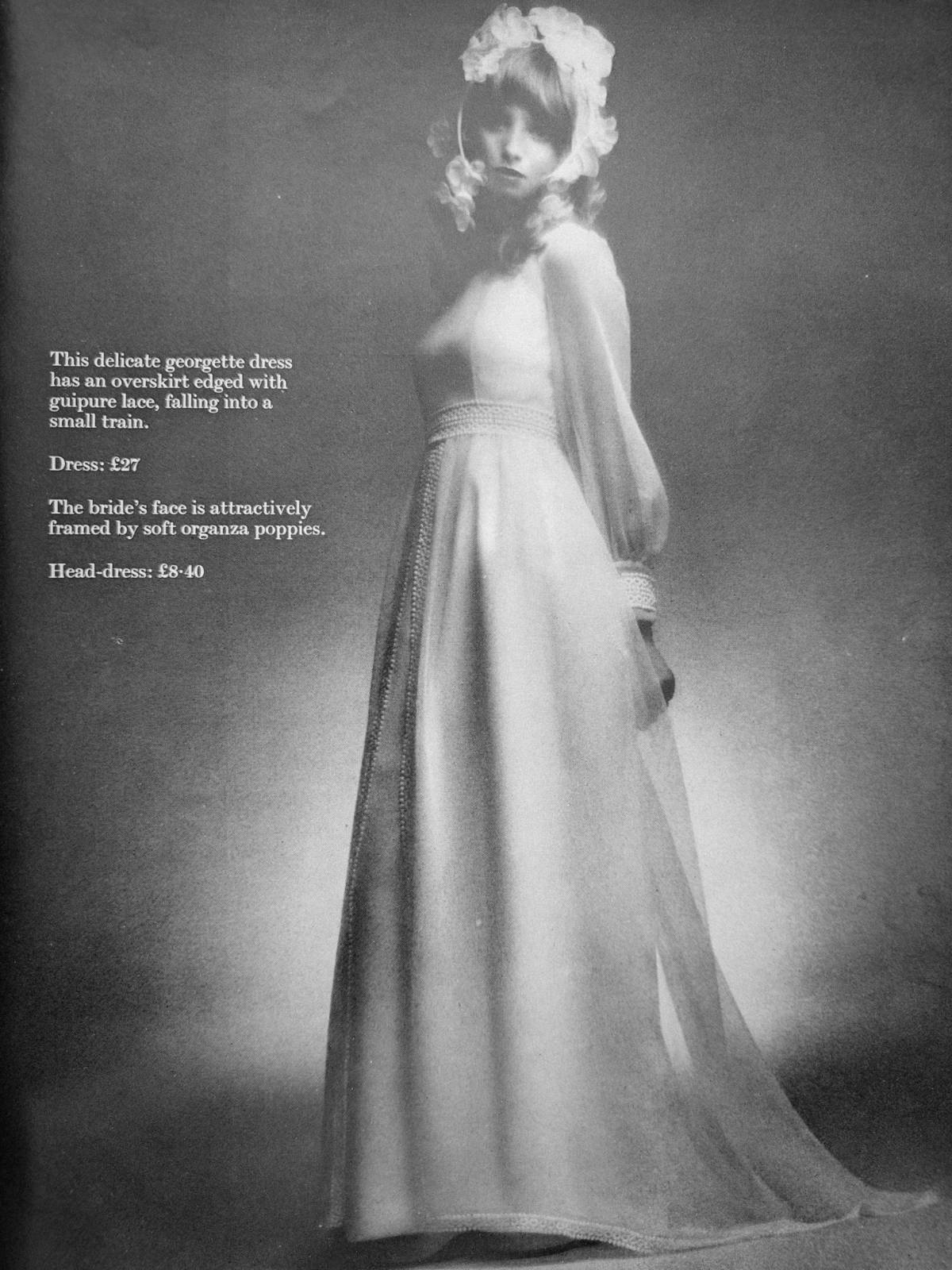
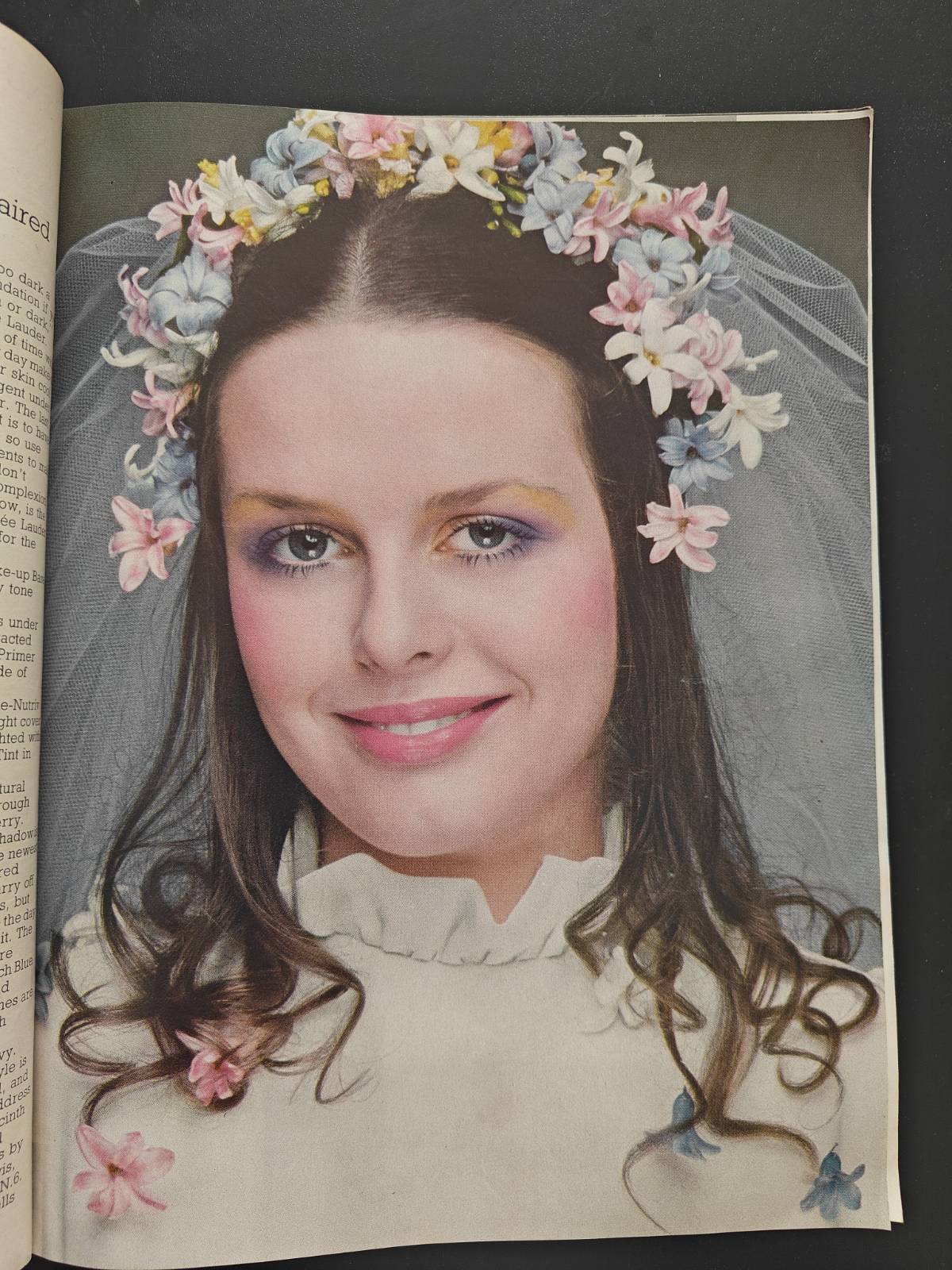
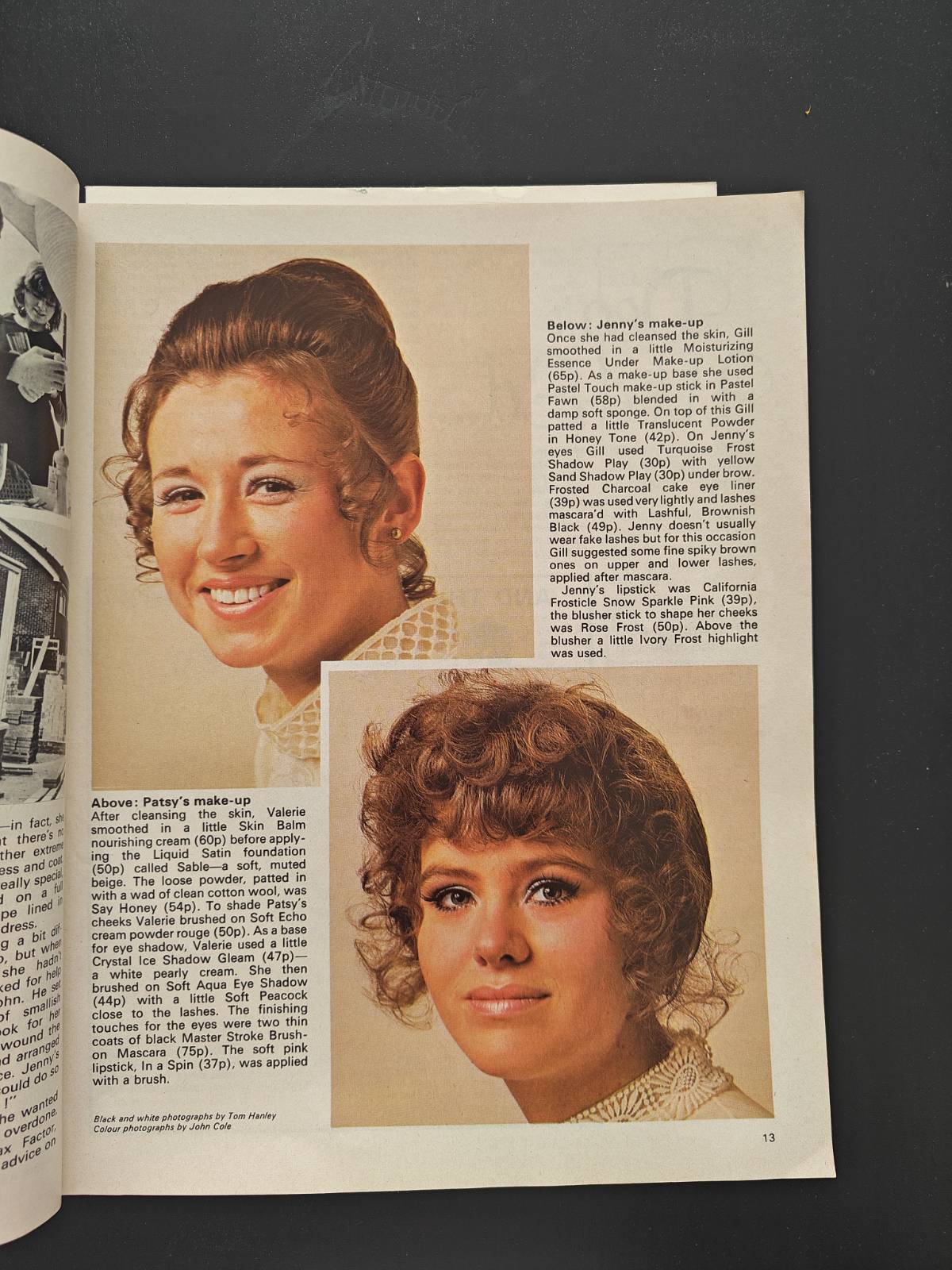
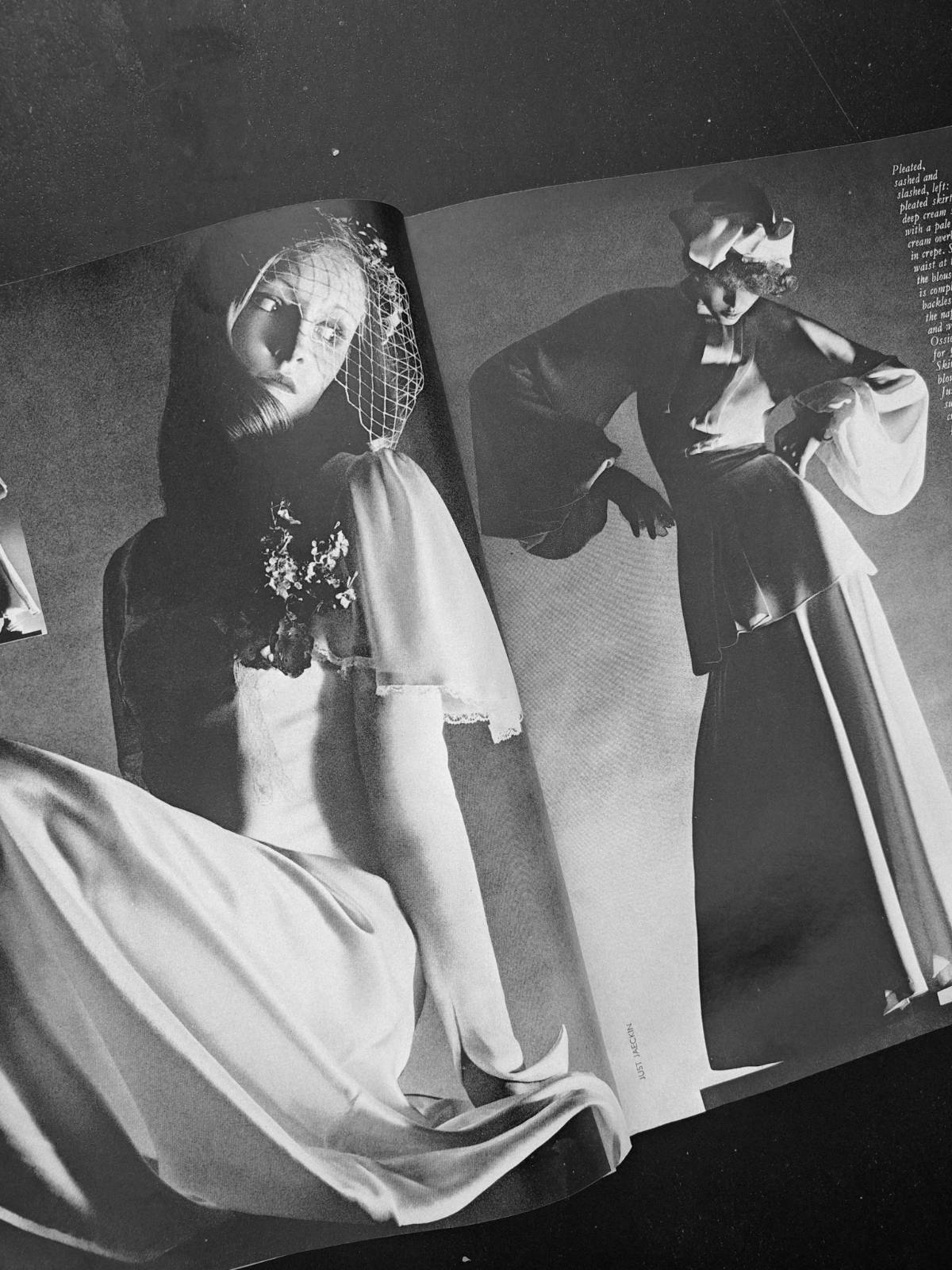
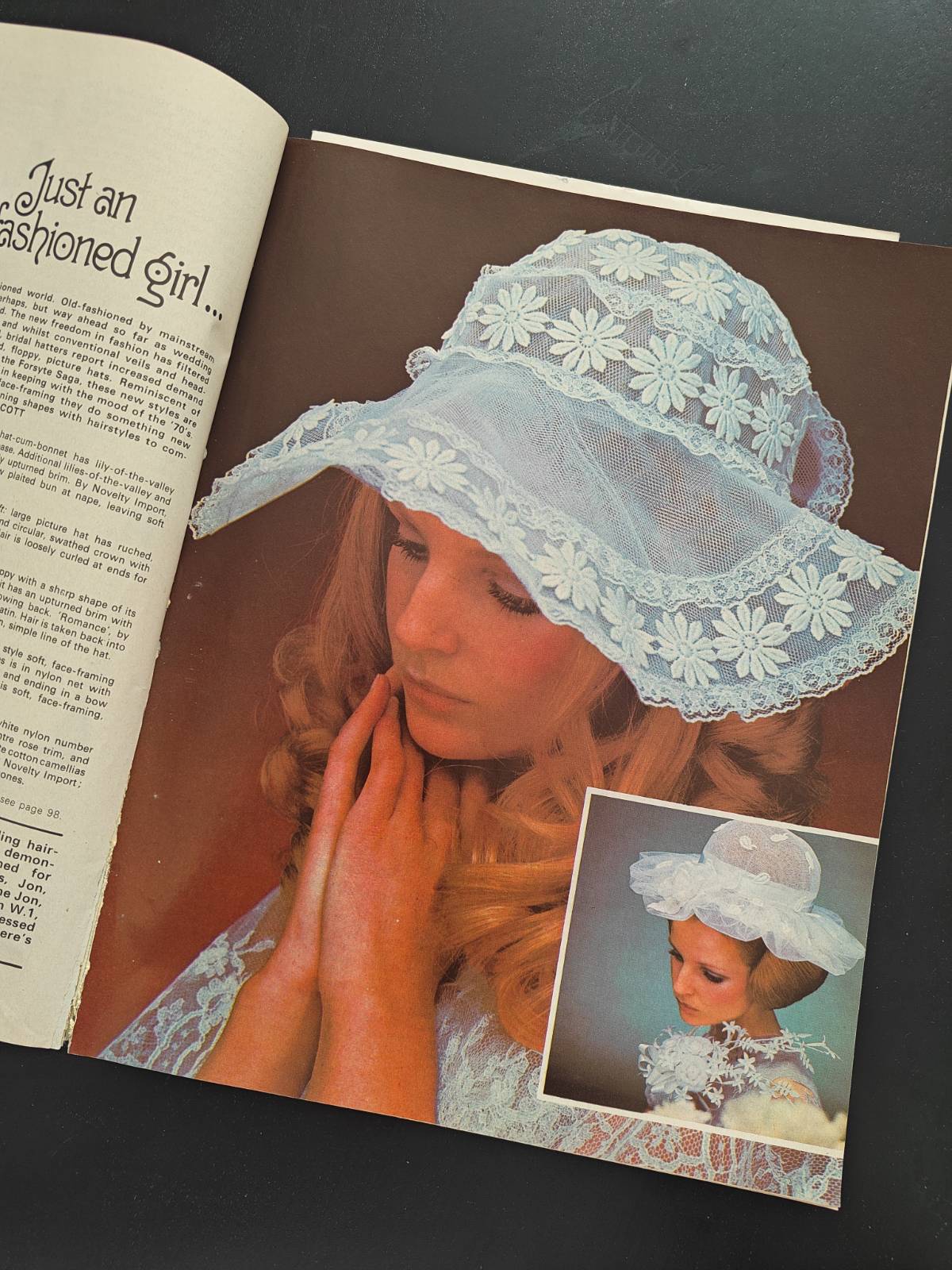
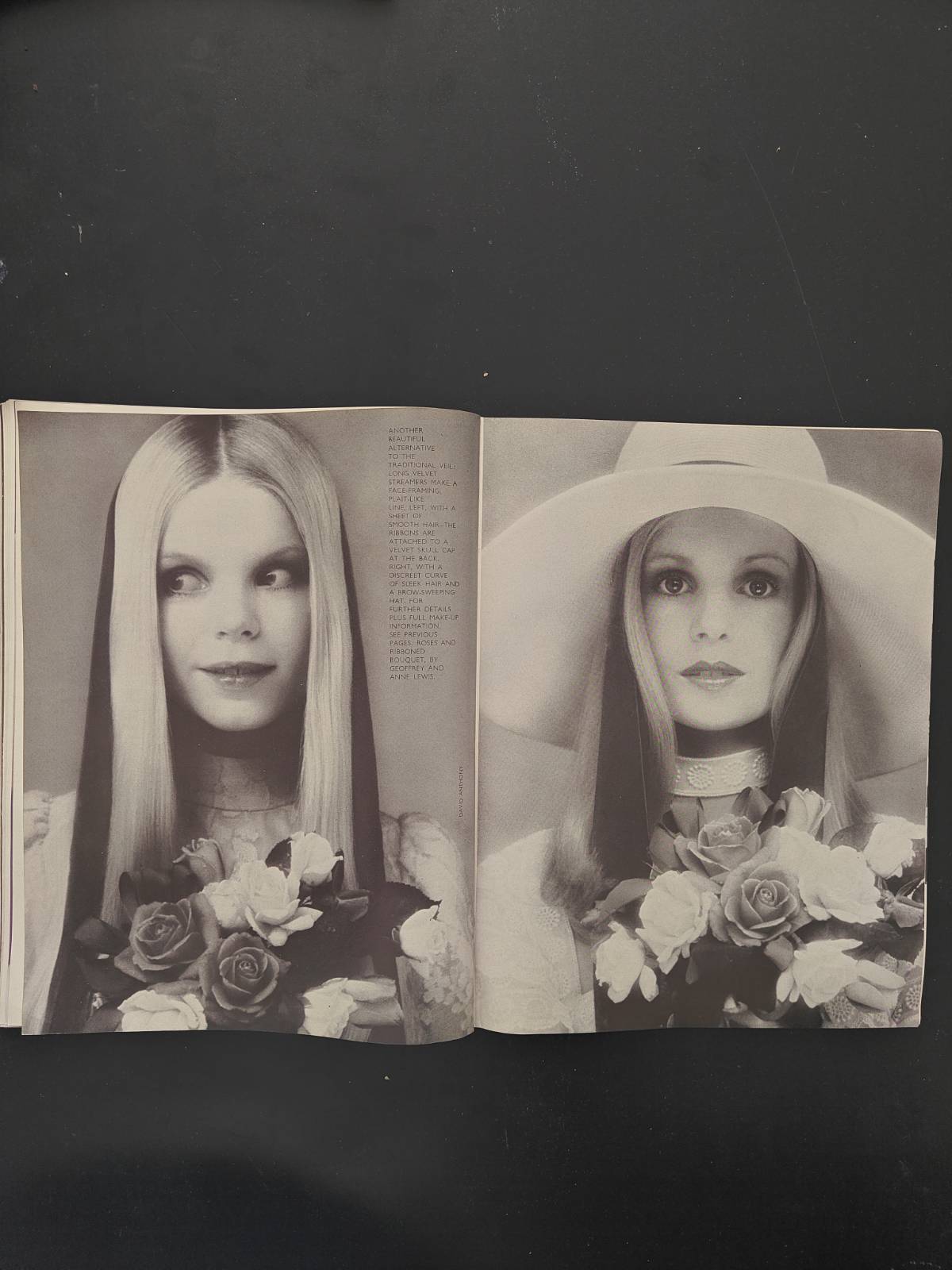
The first surprise was the fashion. We like to think we’re constantly reinventing bridal style, but a quick look through a wedding magazine from 1971 proves that trends always come back around . Dramatic sleeves, micro birdcage veils, oversized bows, statement hats and even fashion-forward bridal separates like hot pants all made appearances. Some of the editorials genuinely wouldn’t look out of place in a magazine today!
The problem pages
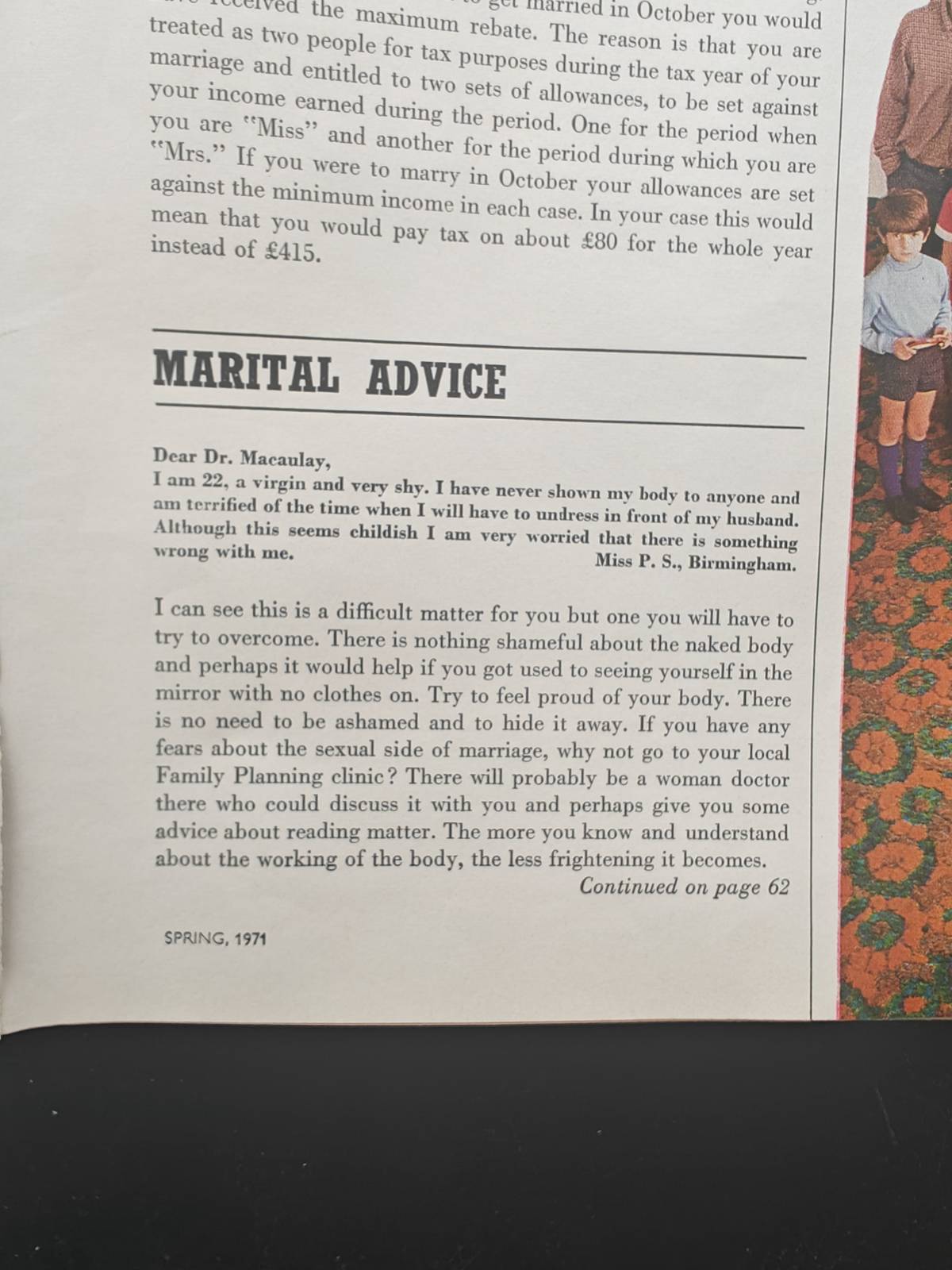
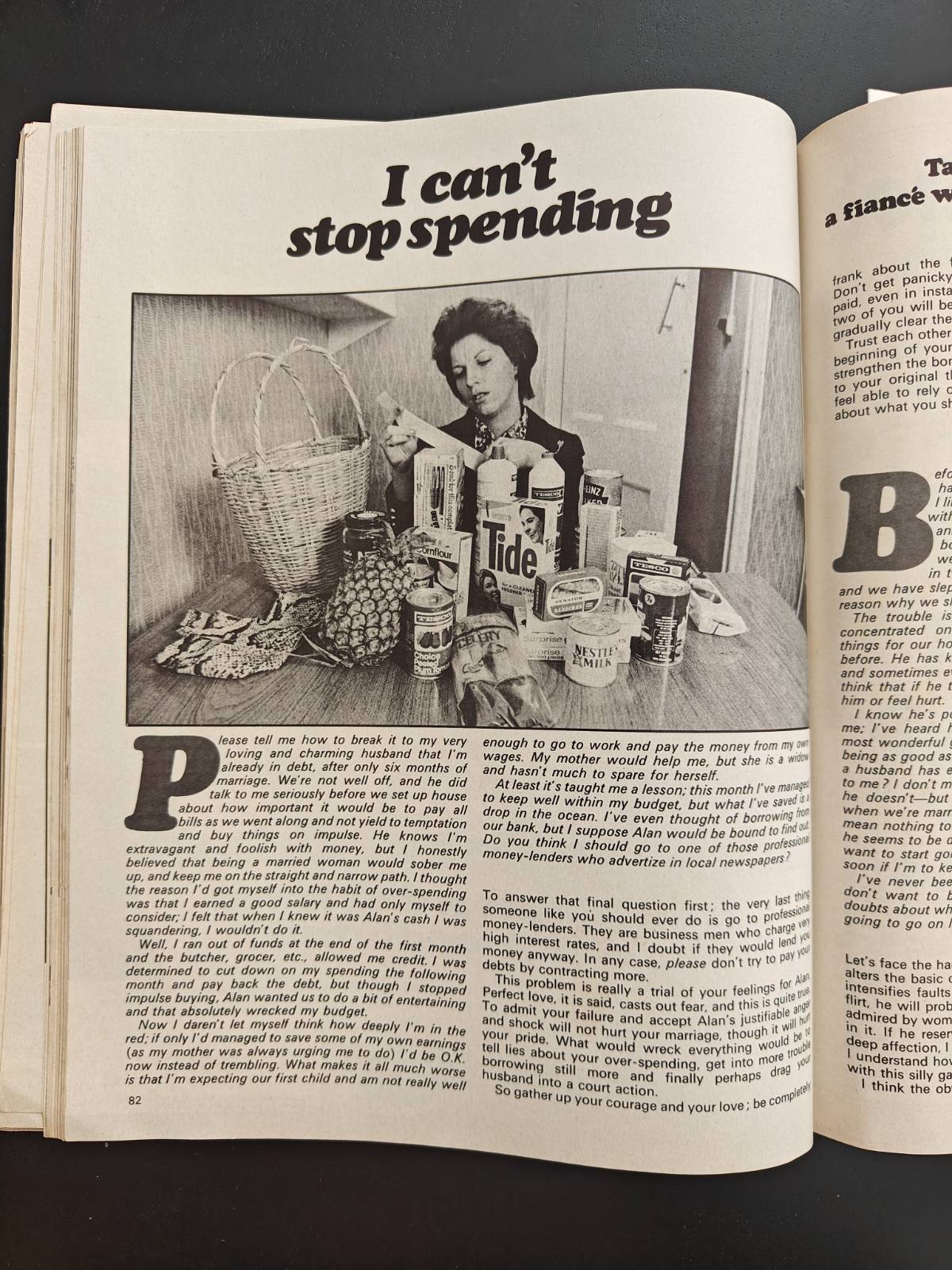
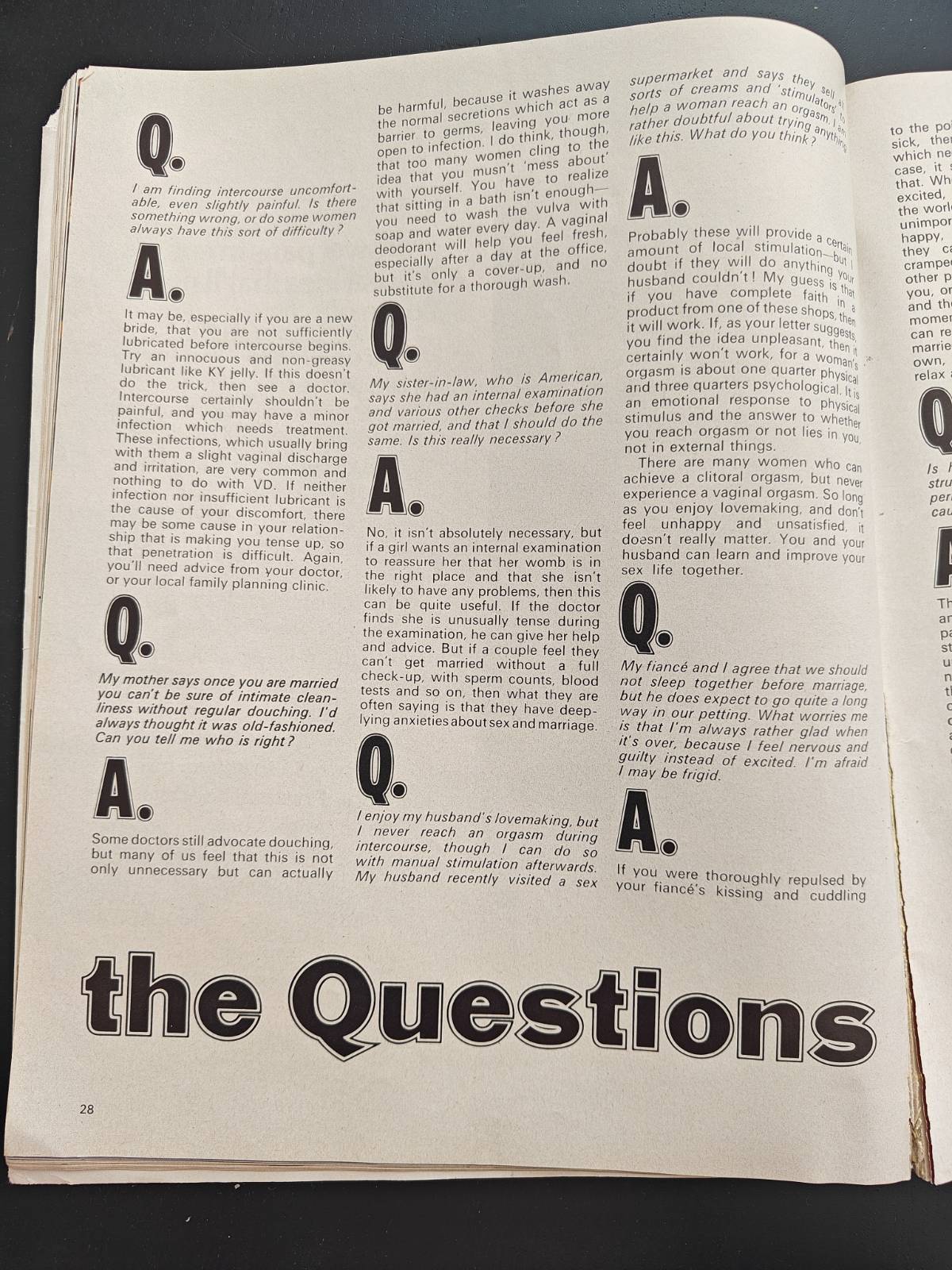
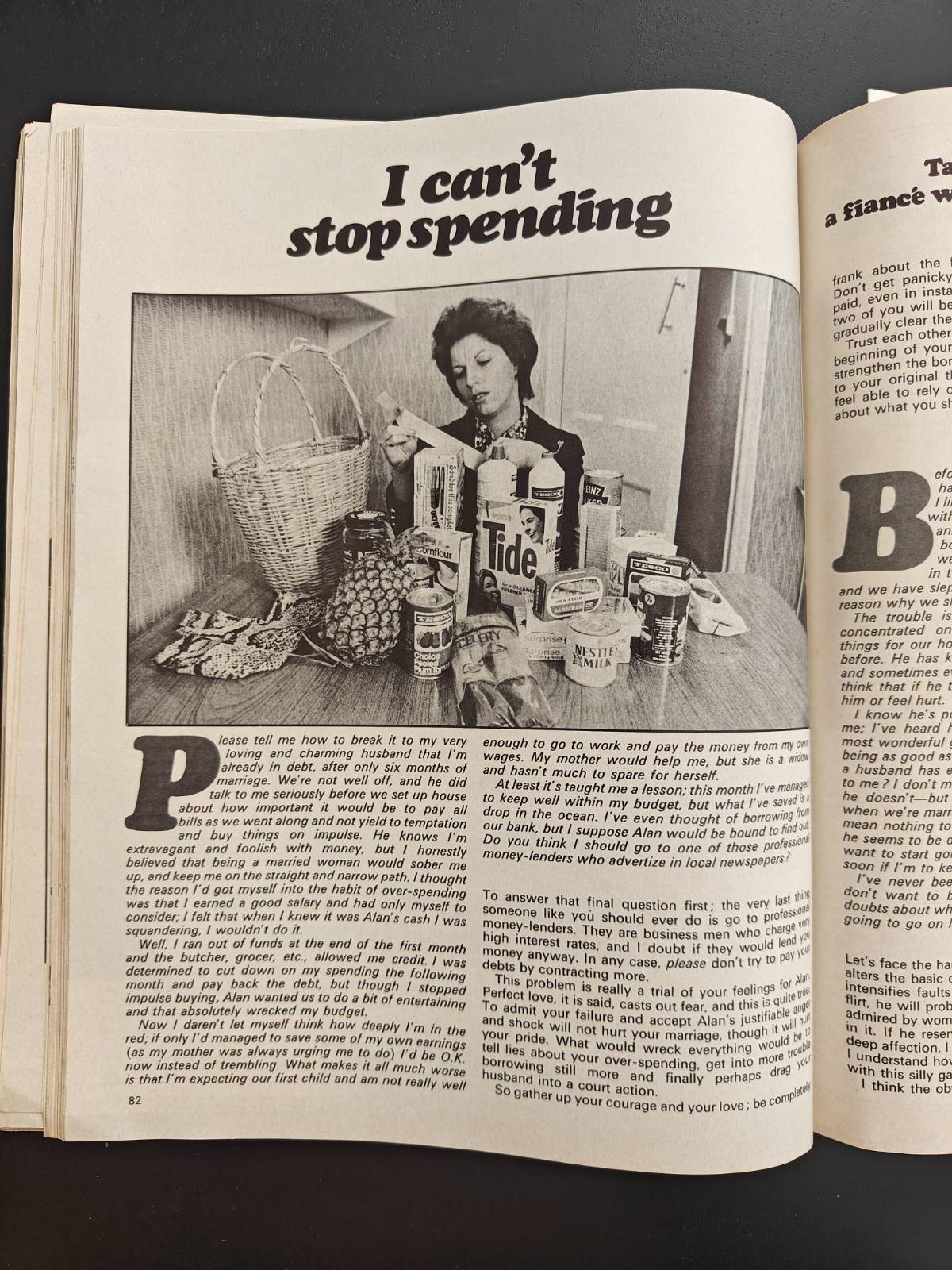
The problem pages were another highlight. Some of the advice felt surprisingly modern. Other parts were, let’s say, very much of their time. The comments about marriage, gender roles, sex and body image occasionally had me staring at the page in disbelief. Funny though? Absolutely.
Then there were the adverts…
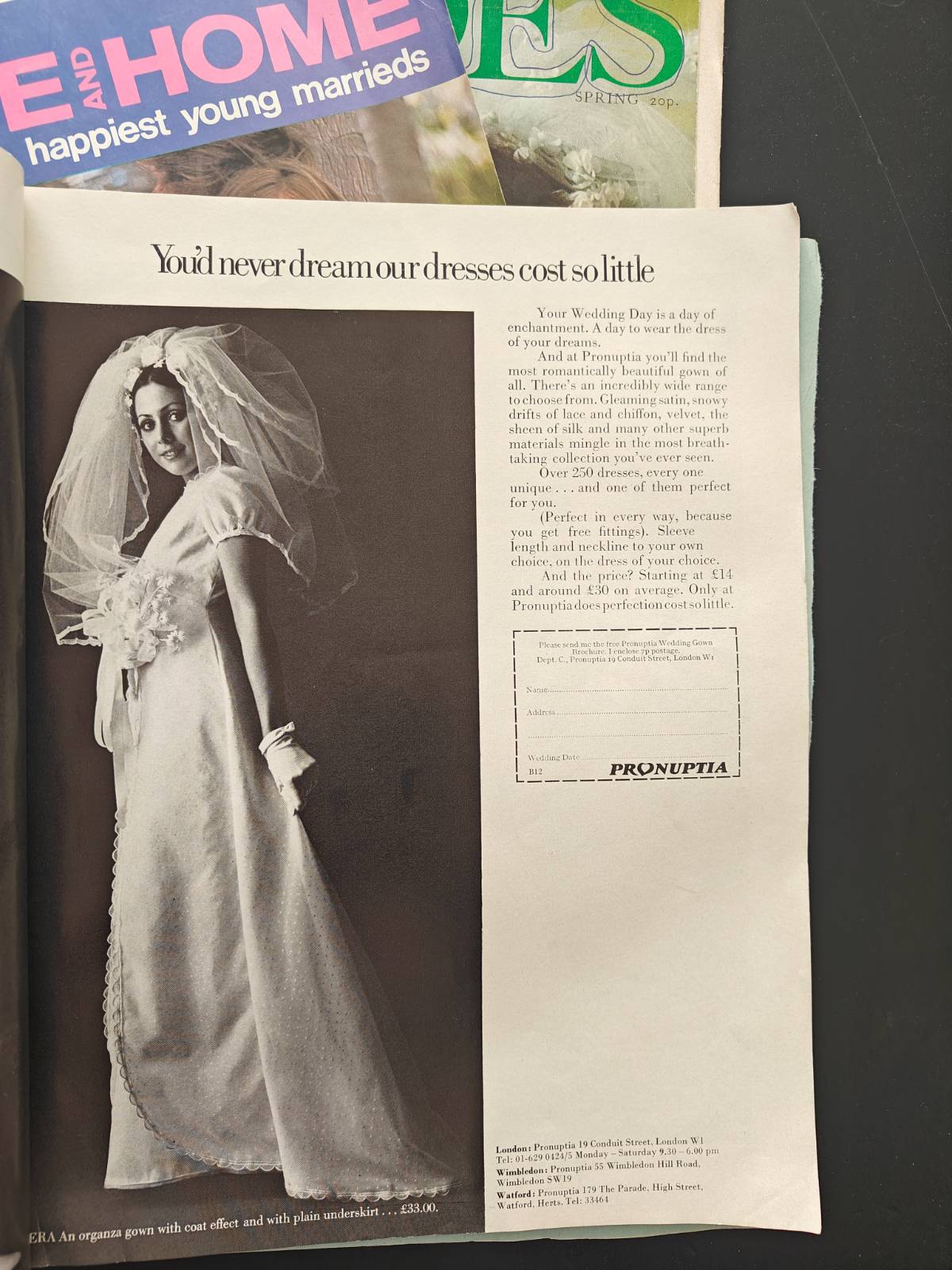
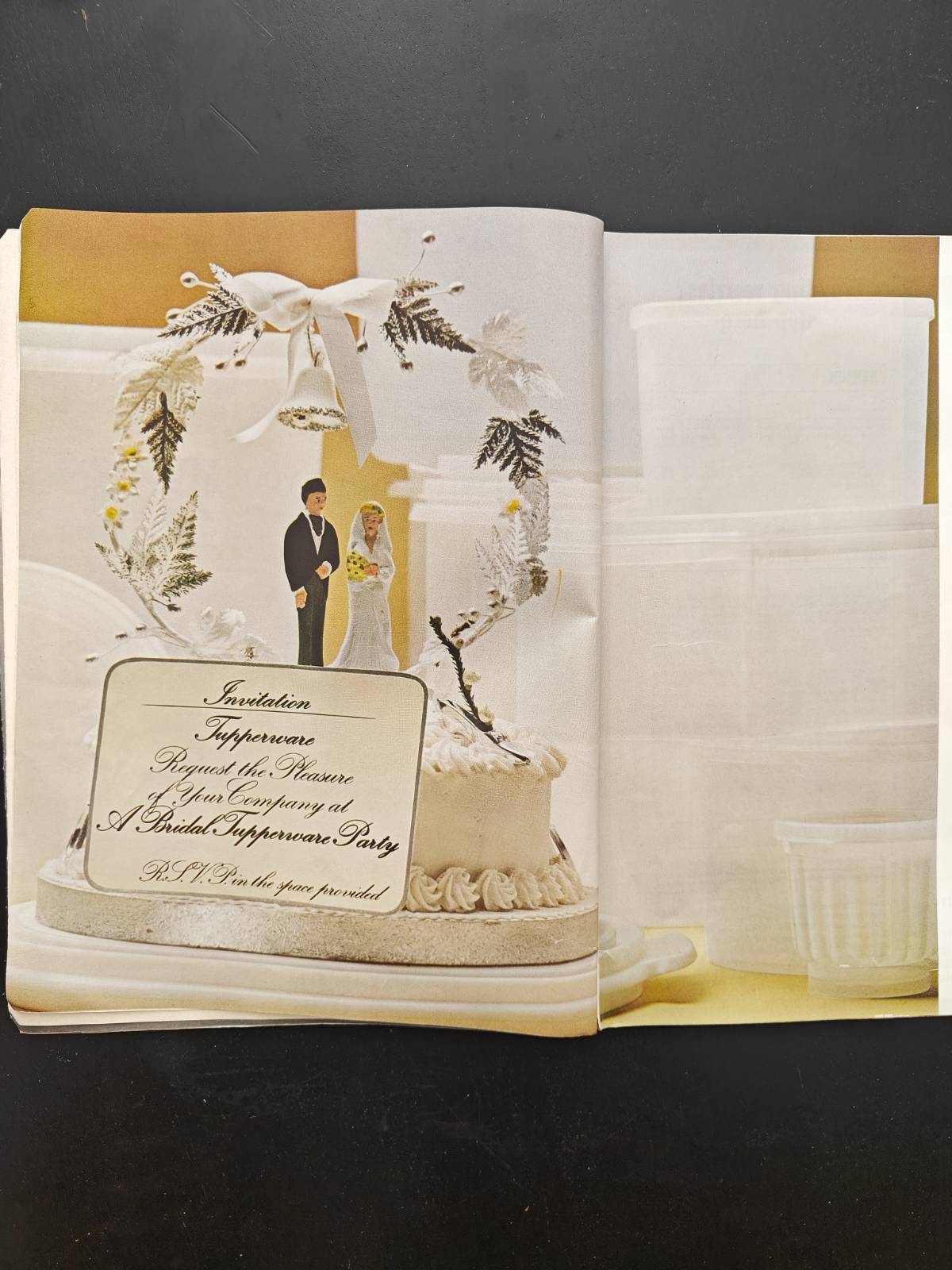
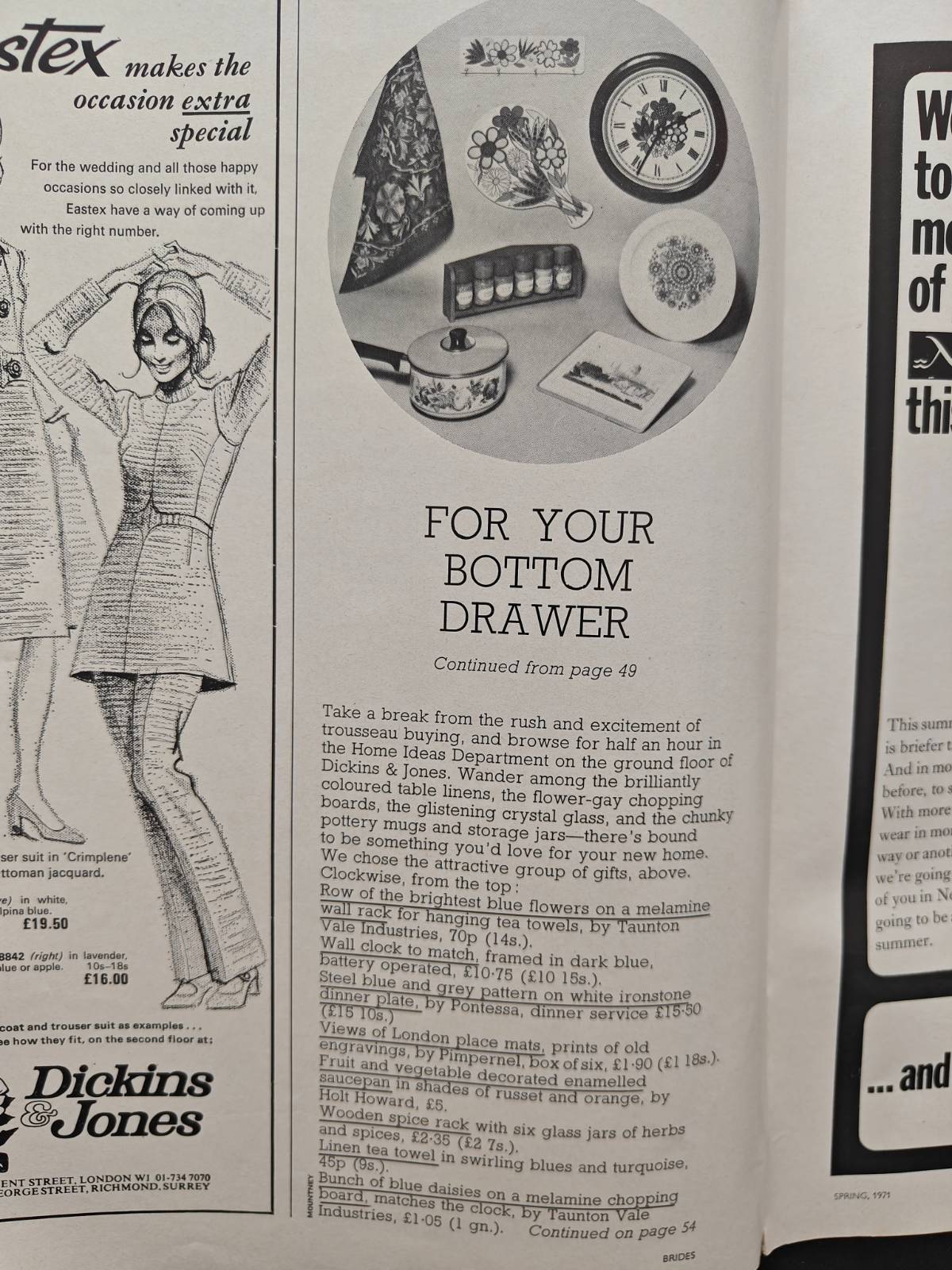
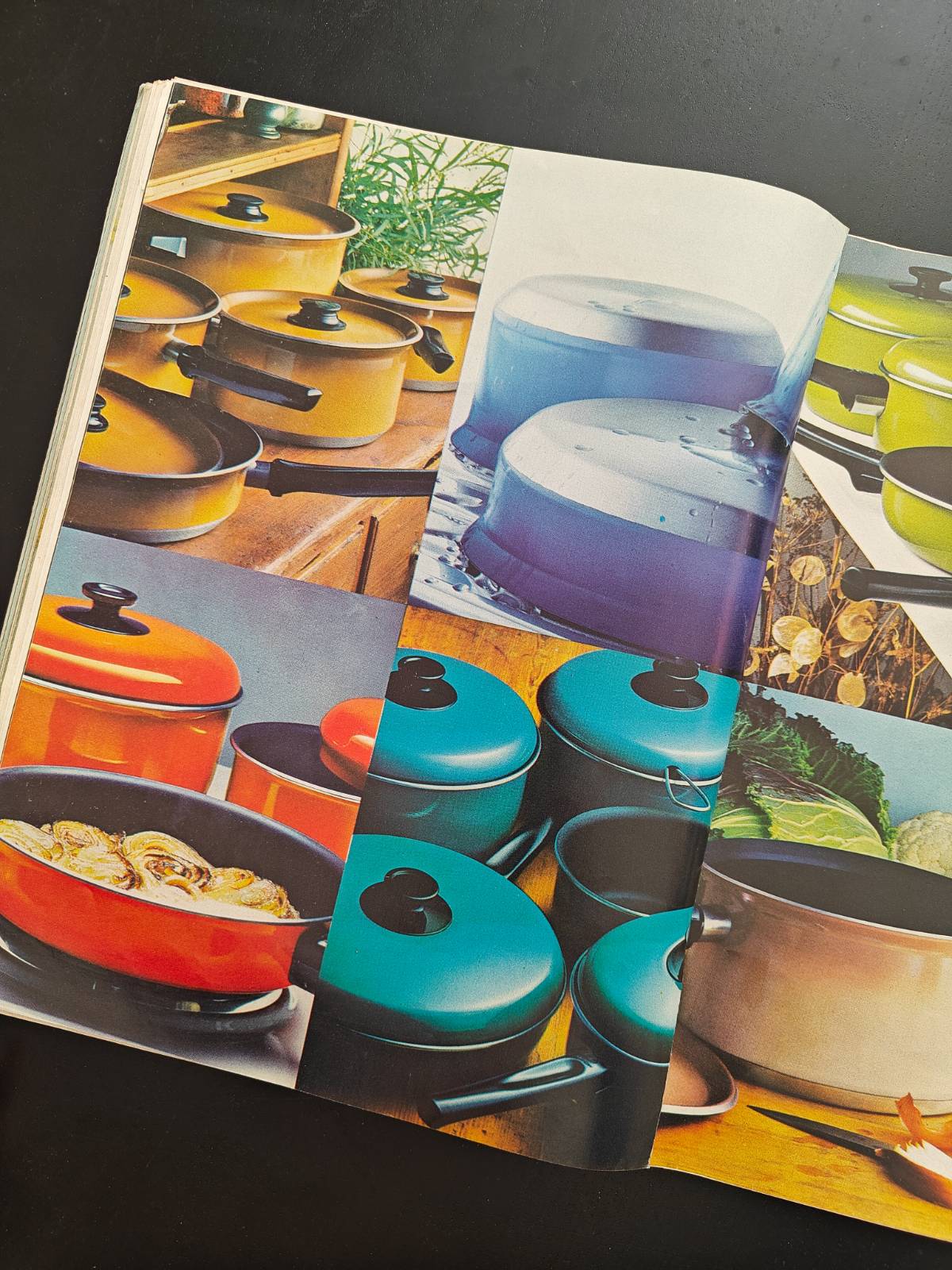
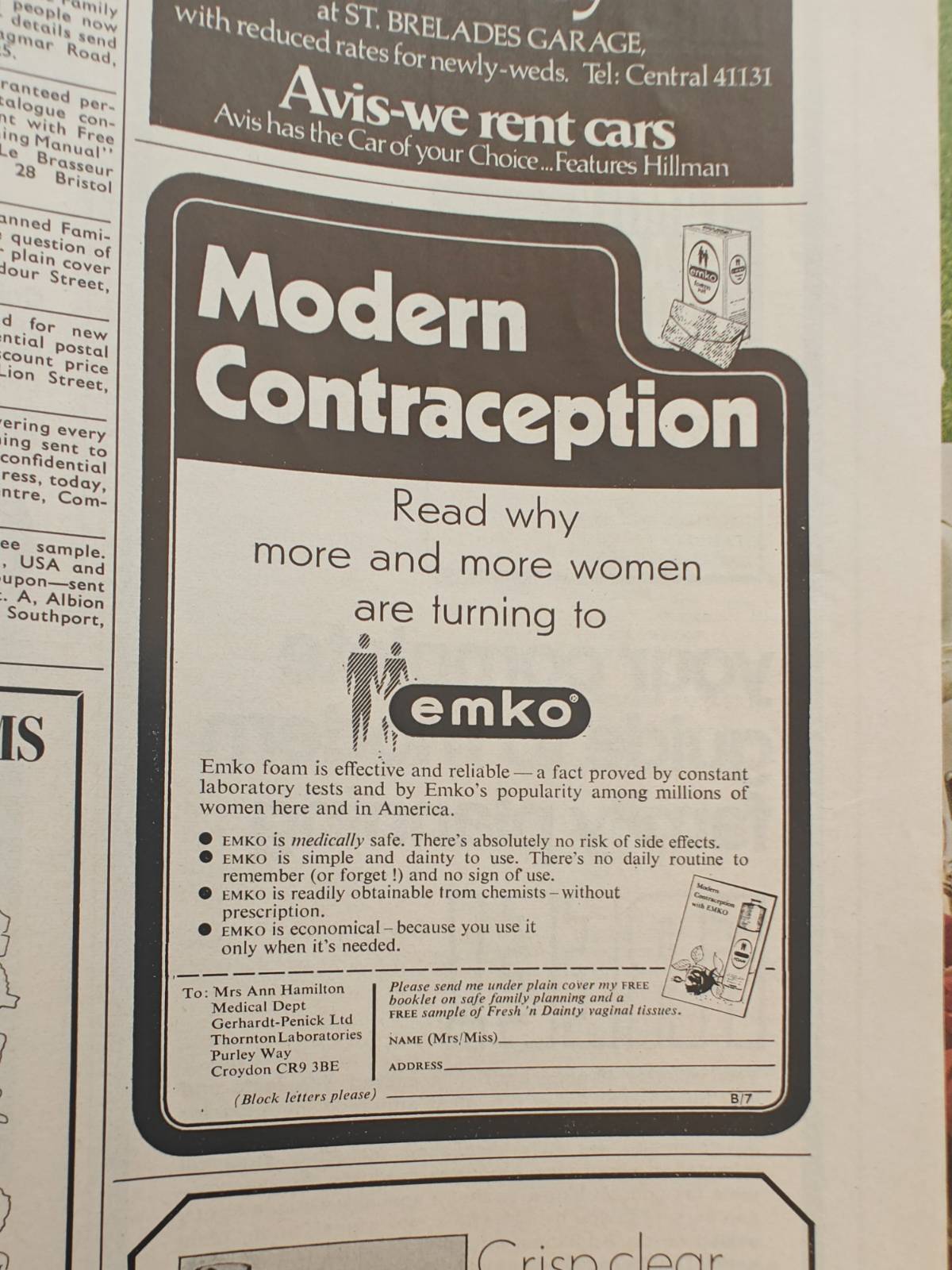
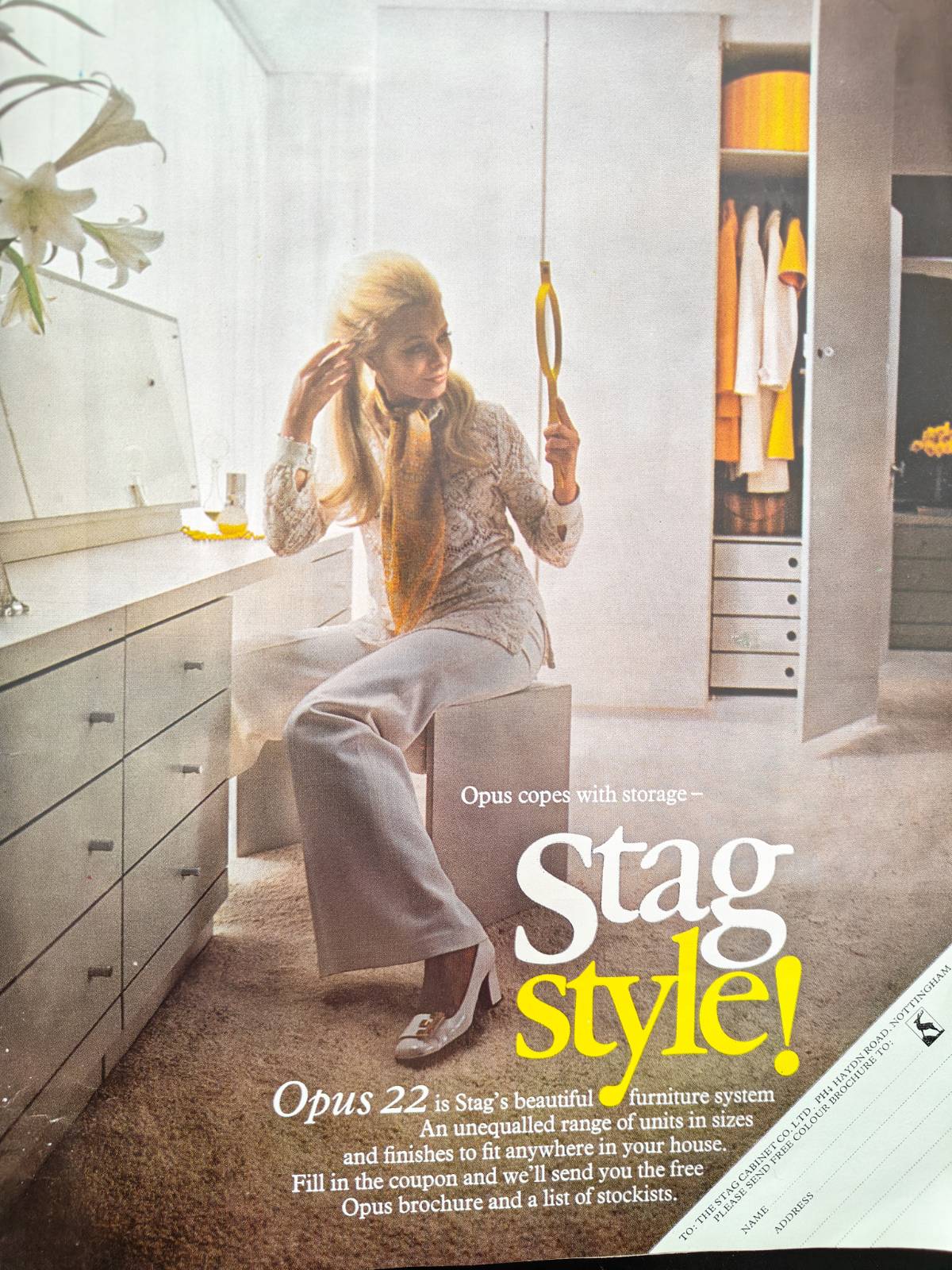
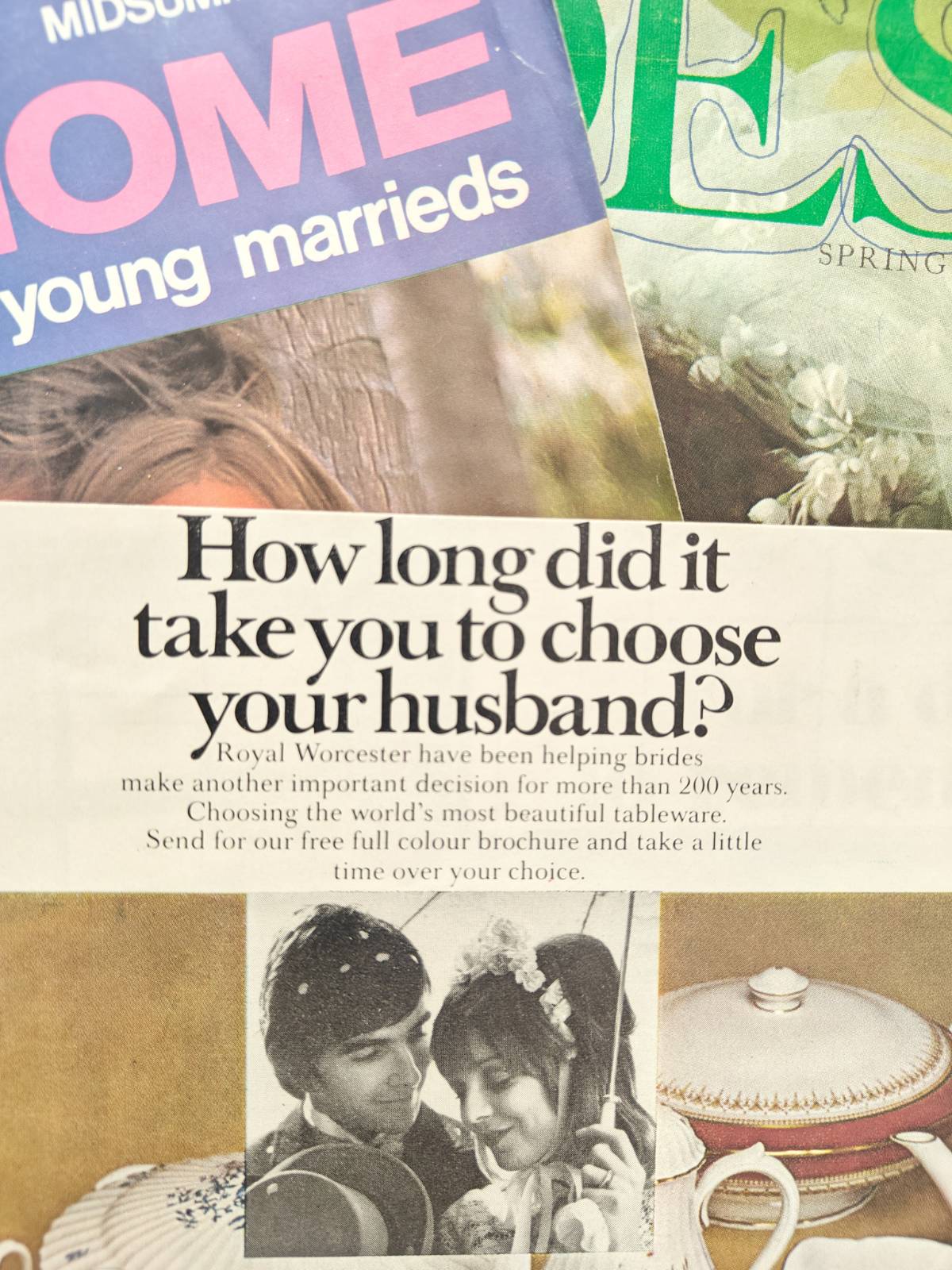
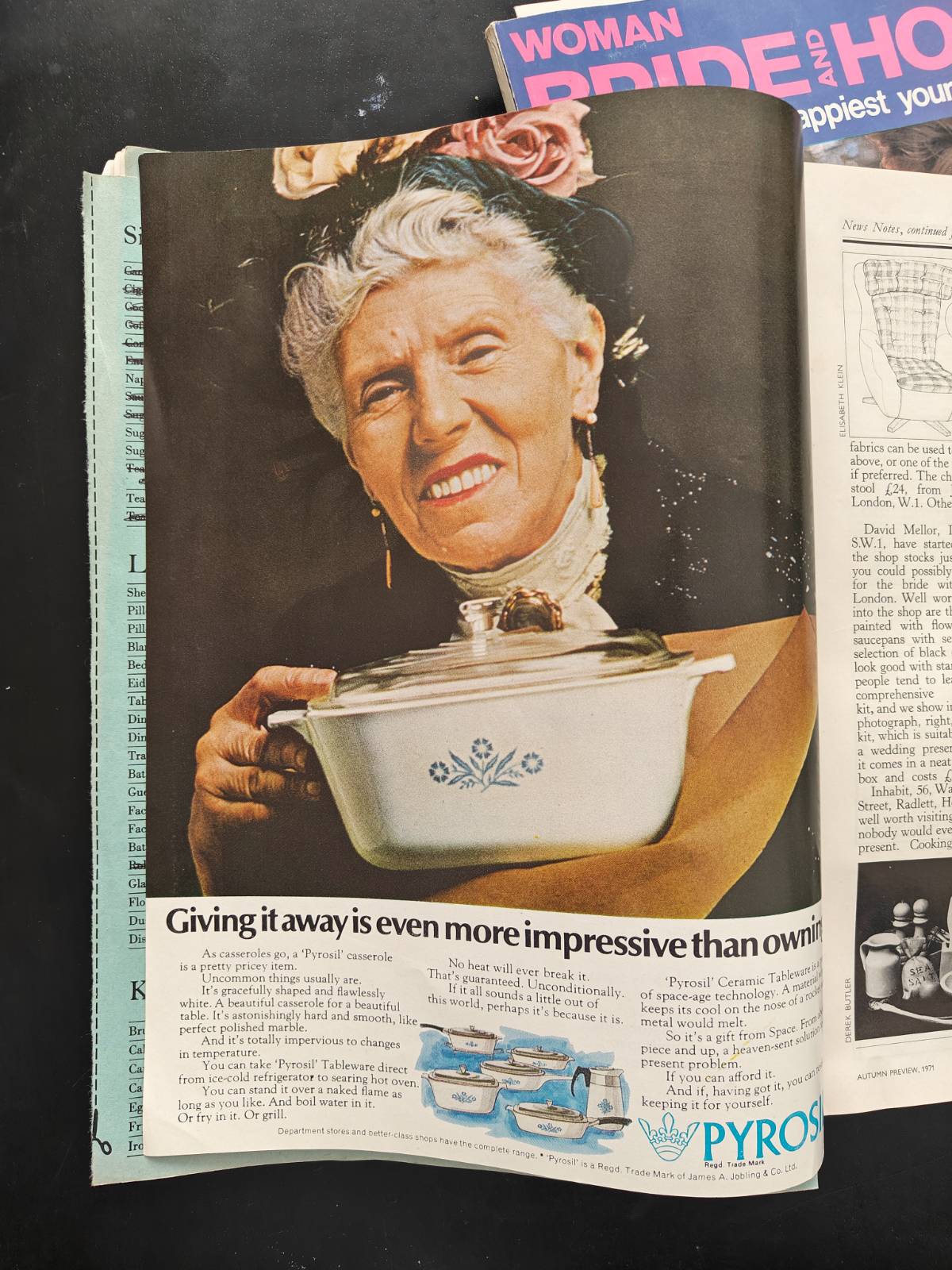
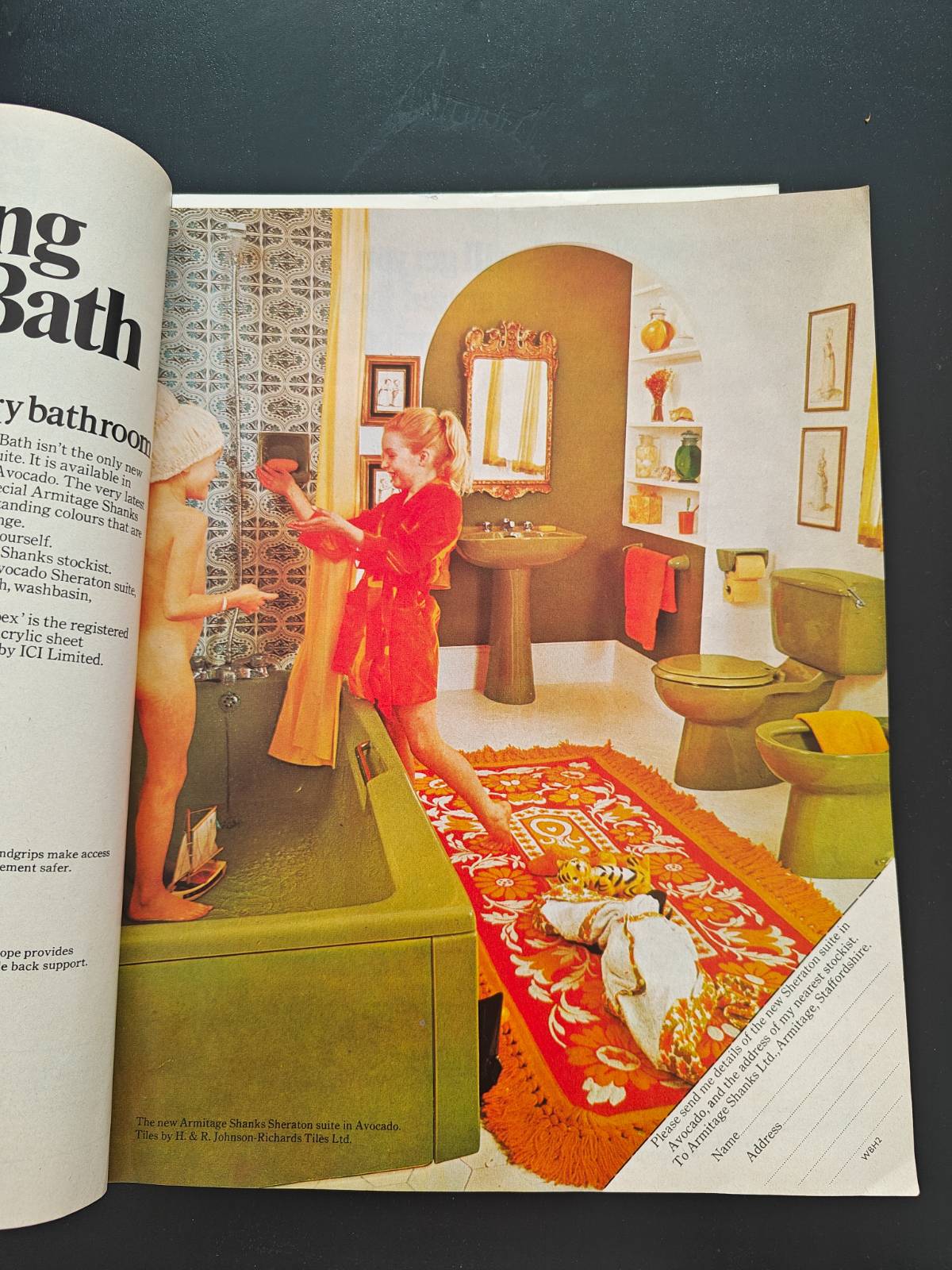
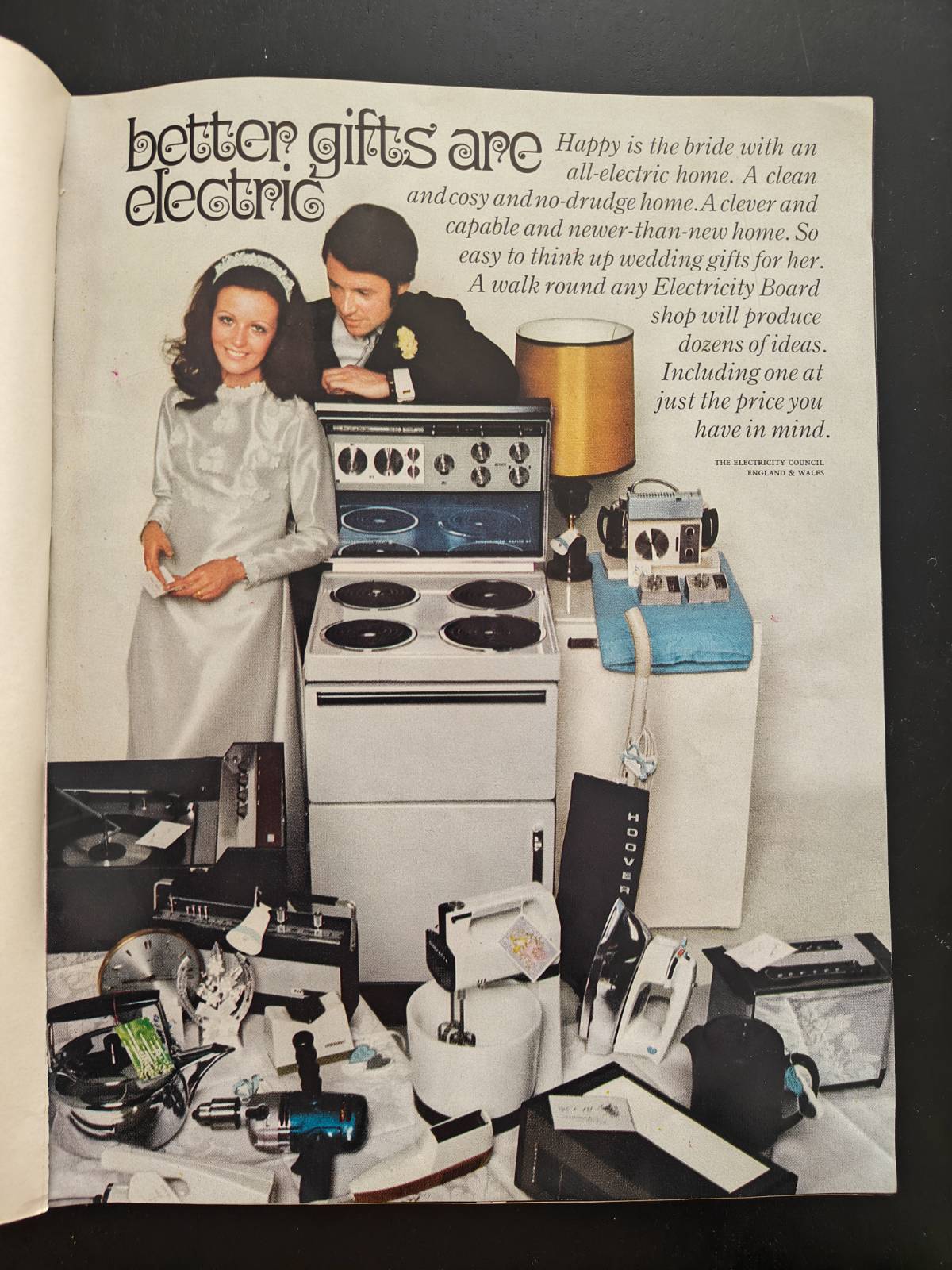
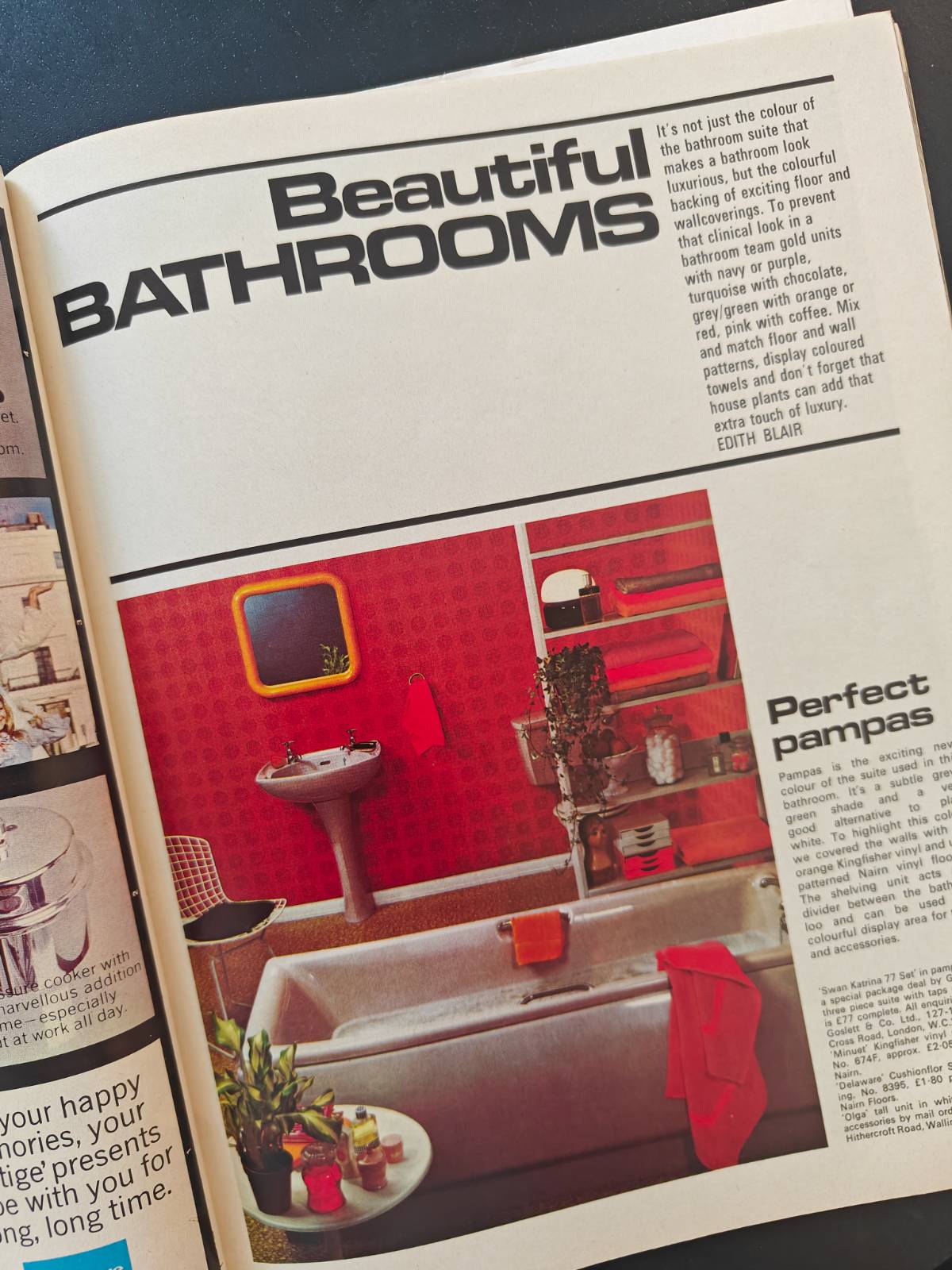
Wedding magazines today are filled with venues, photographers and bridal boutiques. In 1971, apparently, you might also need an advert from the Electricity Council of England and Wales, Tupperwear or Midwinter China. There were also pages dedicated to bathroom suites, household appliances and home furnishings. It was a complete time capsule.
But what struck me most wasn’t the big brands, though. It was all the small businesses.
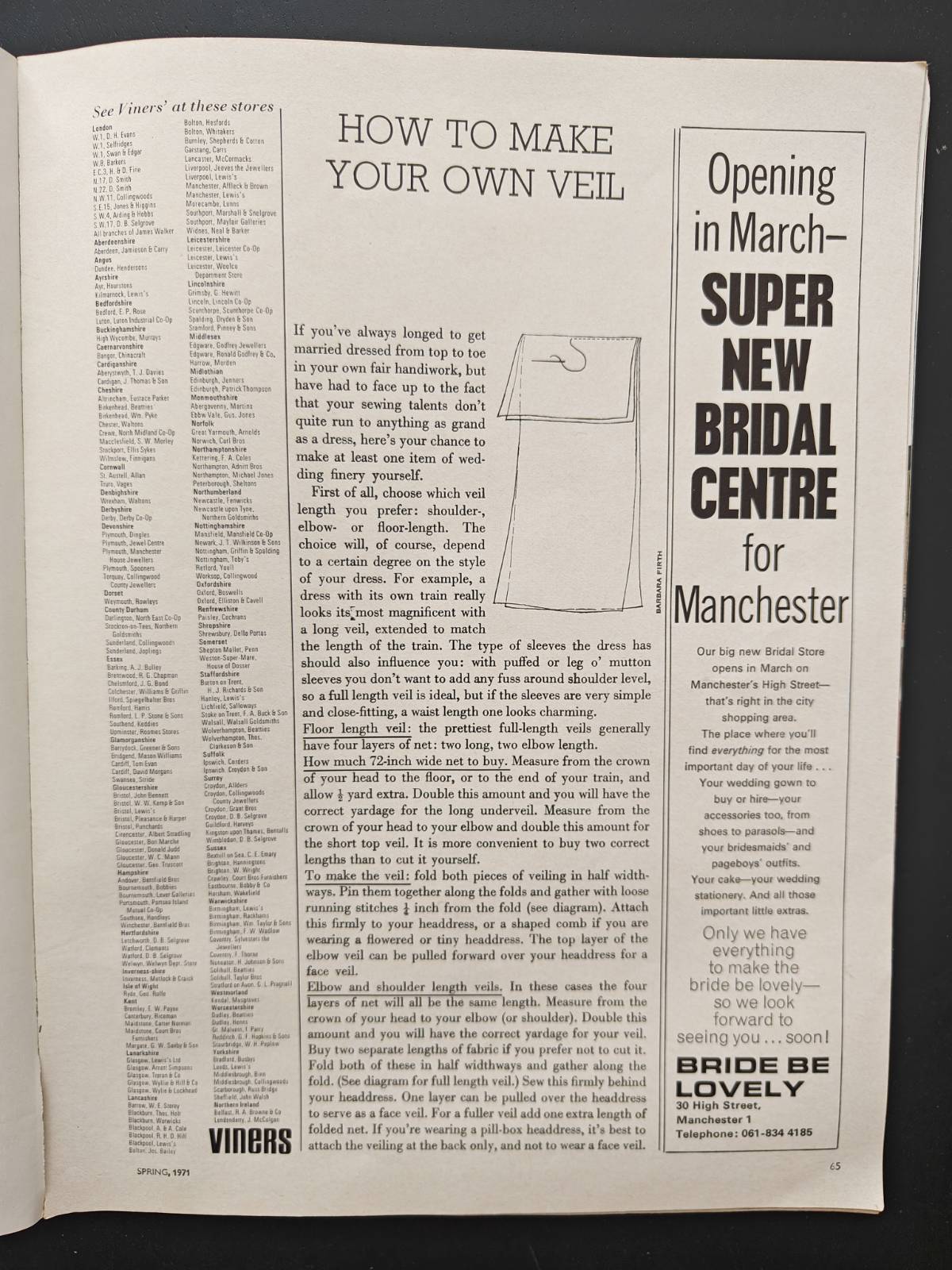
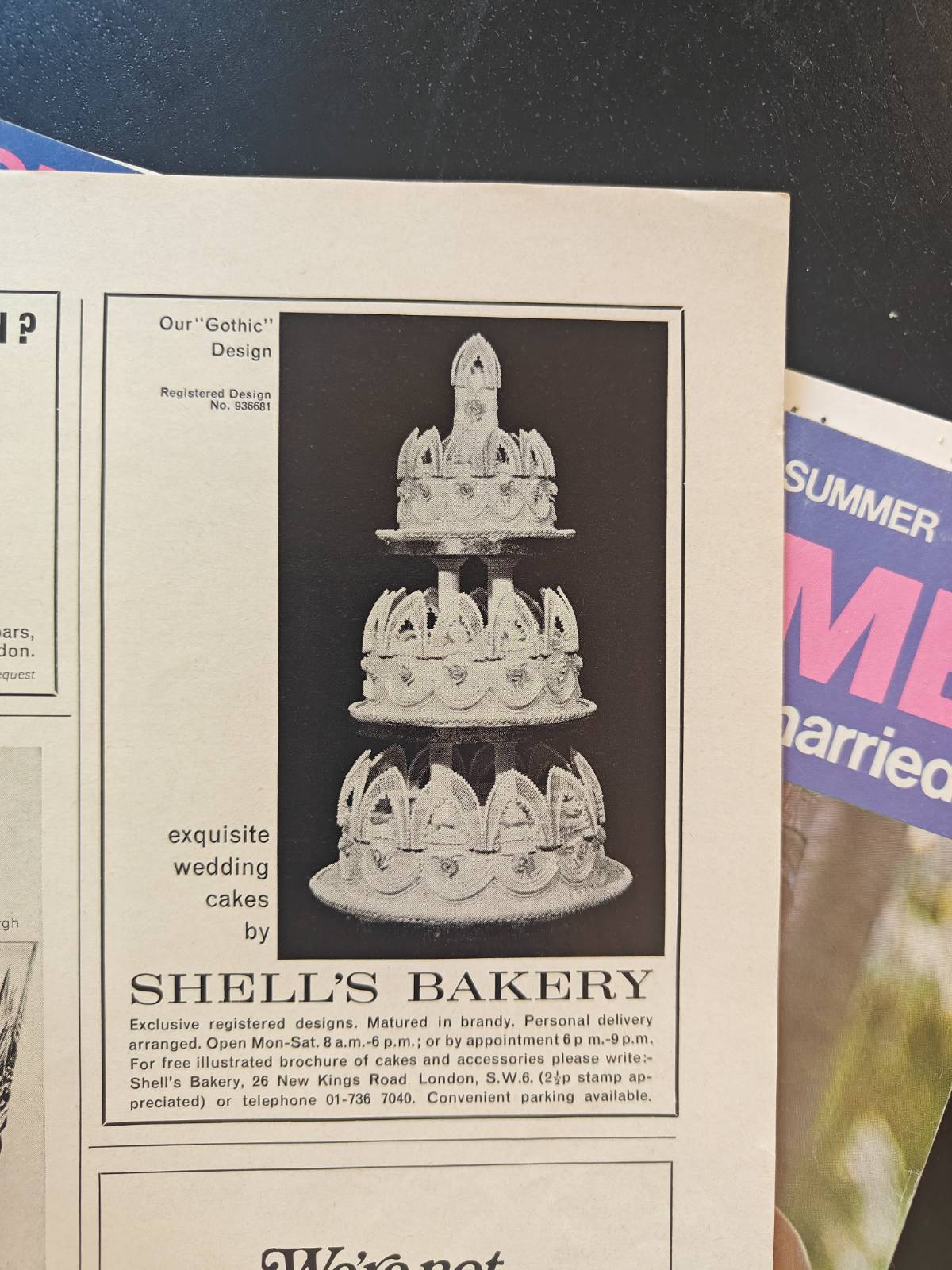
55 years later, I’m sitting on my sofa flipping through these magazines and wondering what happened to the wedding stationer tucked away in the back pages, or the Kings Road cake makers with their ‘gothic’ (!!!) cake design (of course I looked the address up, its now a wine shop!)
These magazines have become an accidental archive of hundreds of small independent companies that were part of someone’s wedding world in 1971. Isn’t that incredible?
In 2026, most wedding businesses are pouring their energy into Instagram, TikTok and Facebook ads. Yet in 50 years’ time, nobody will be digging through an old Meta ad library wondering what happened to your favourite wedding supplier. These printed pages survived and became artefacts. They’re snapshots of real businesses, run by real people, preserved long after the original adverts stopped doing their job. I can only hope the businesses who are advertising in Rock n Roll Bride print magazine will be still getting looked over in the future. It’s certainly more likely than the digital-only option and I LOVE that.
Wedding magazines back then weren’t just wedding magazines
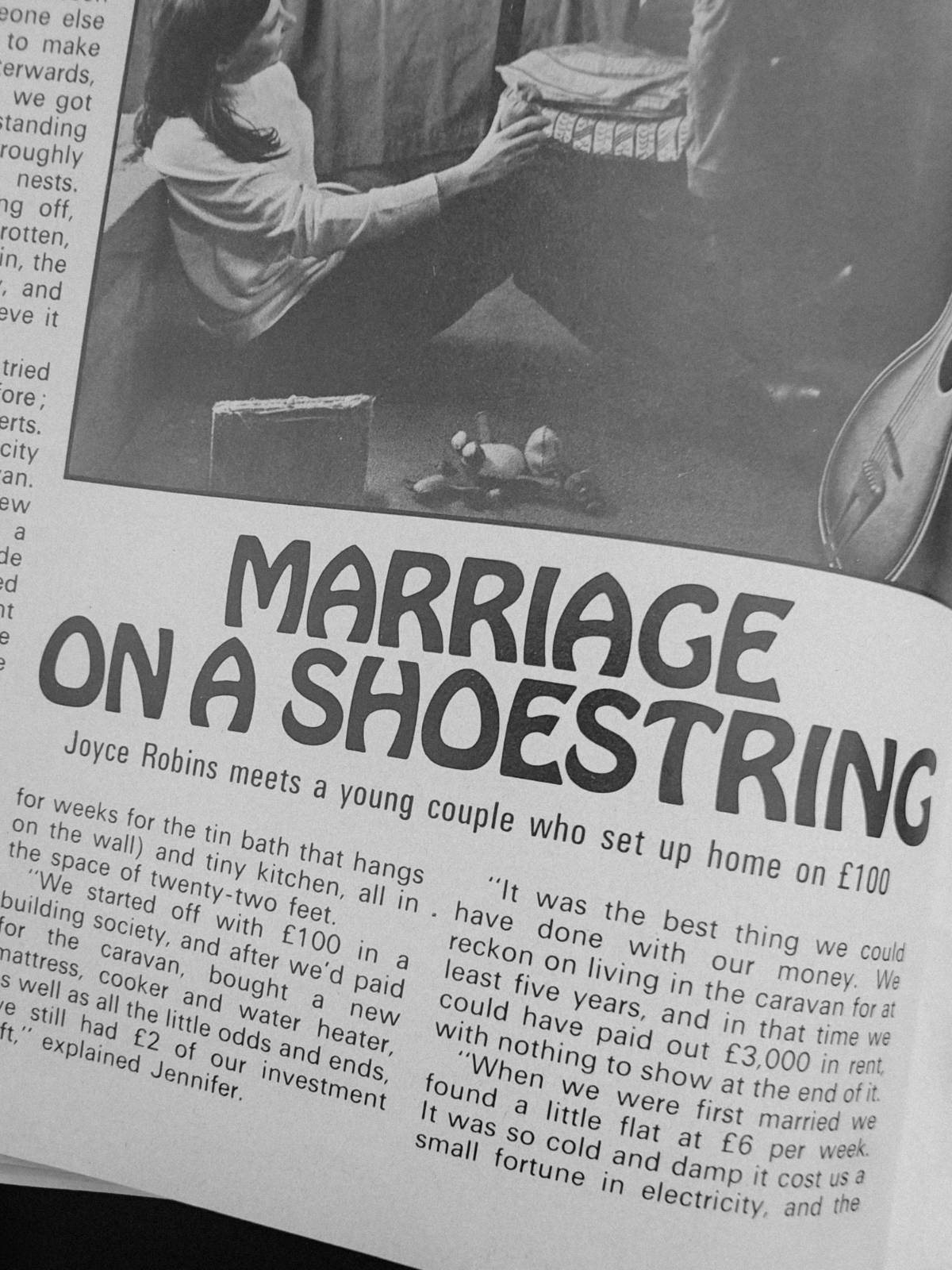
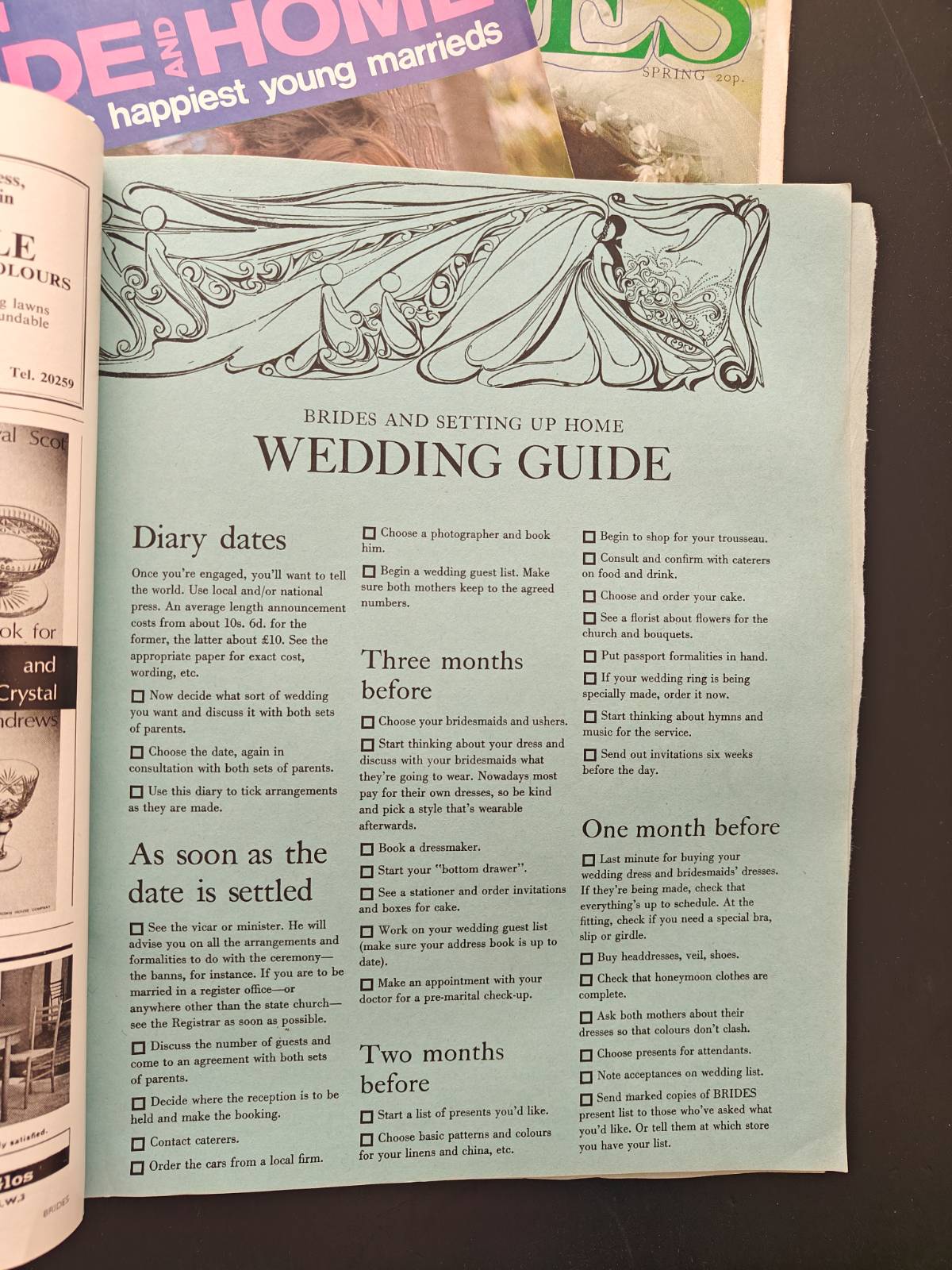
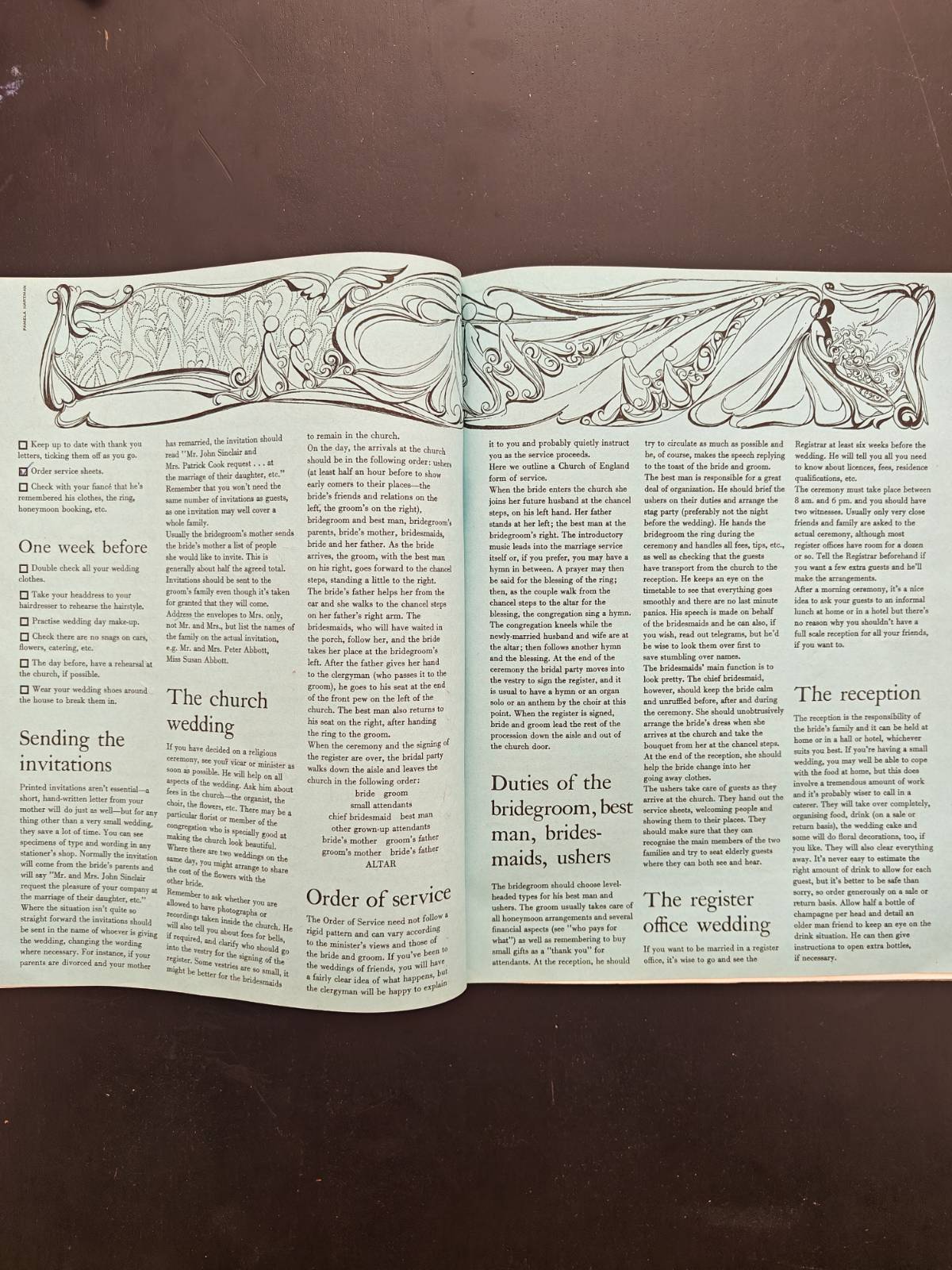
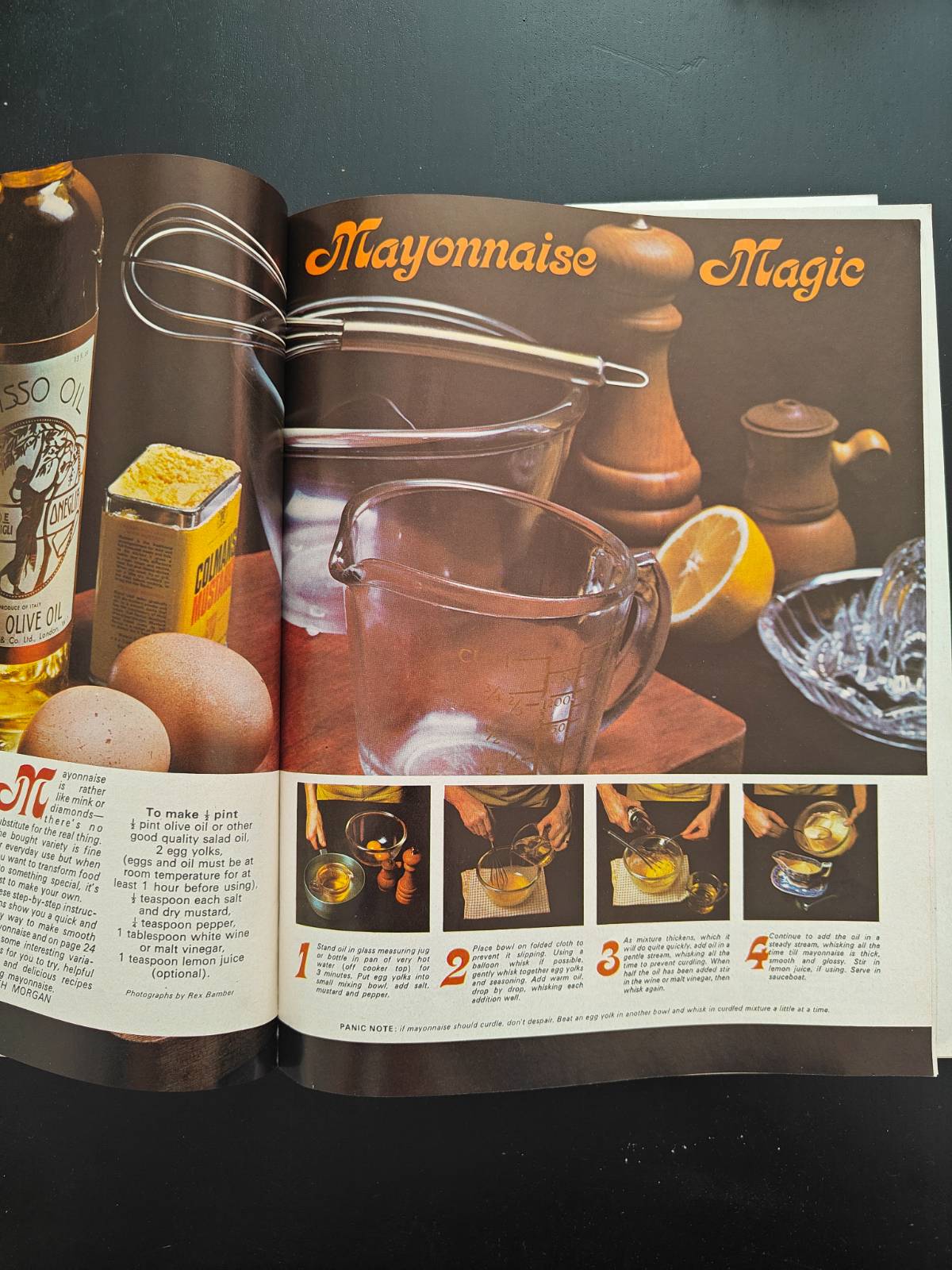
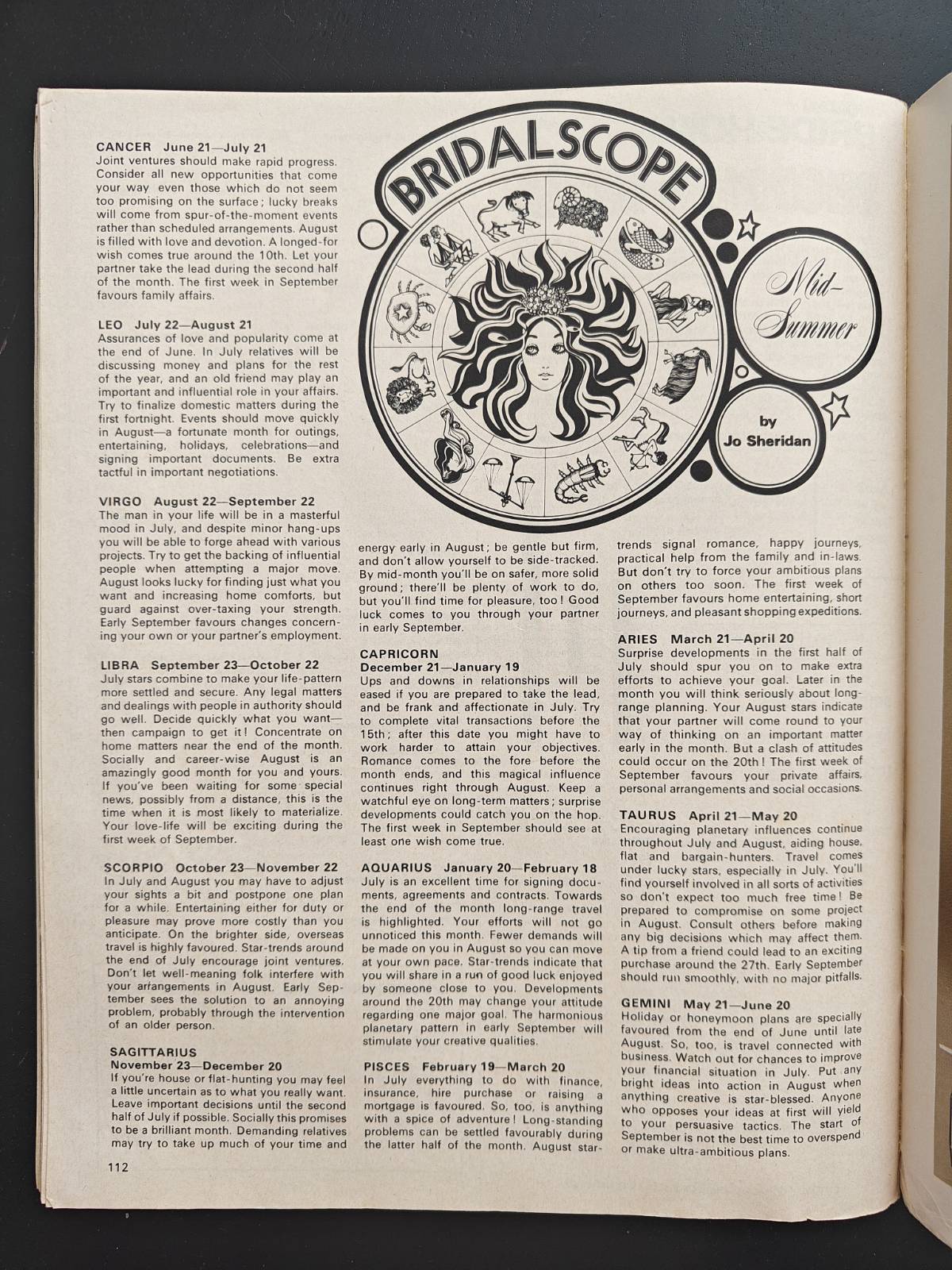
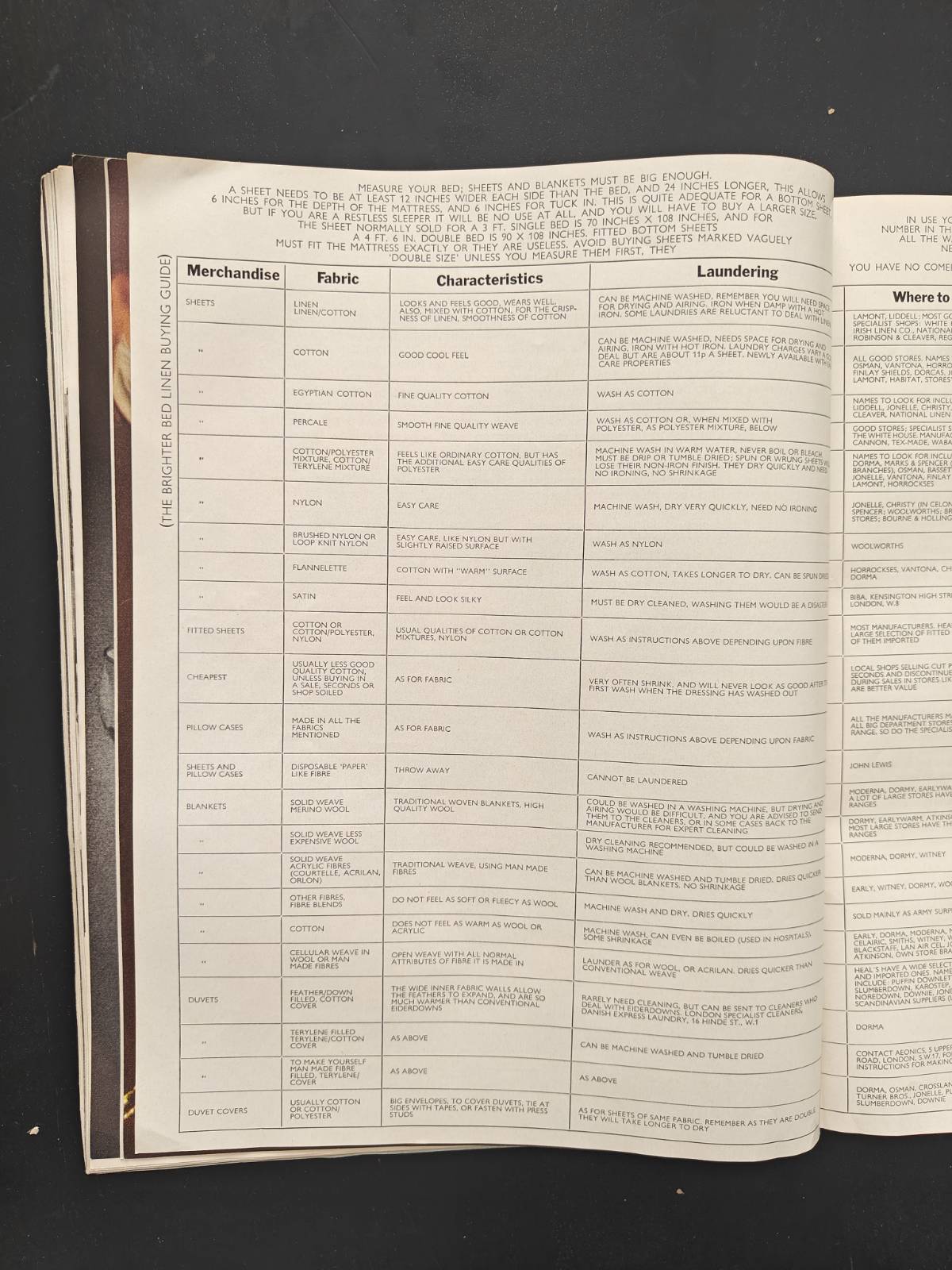
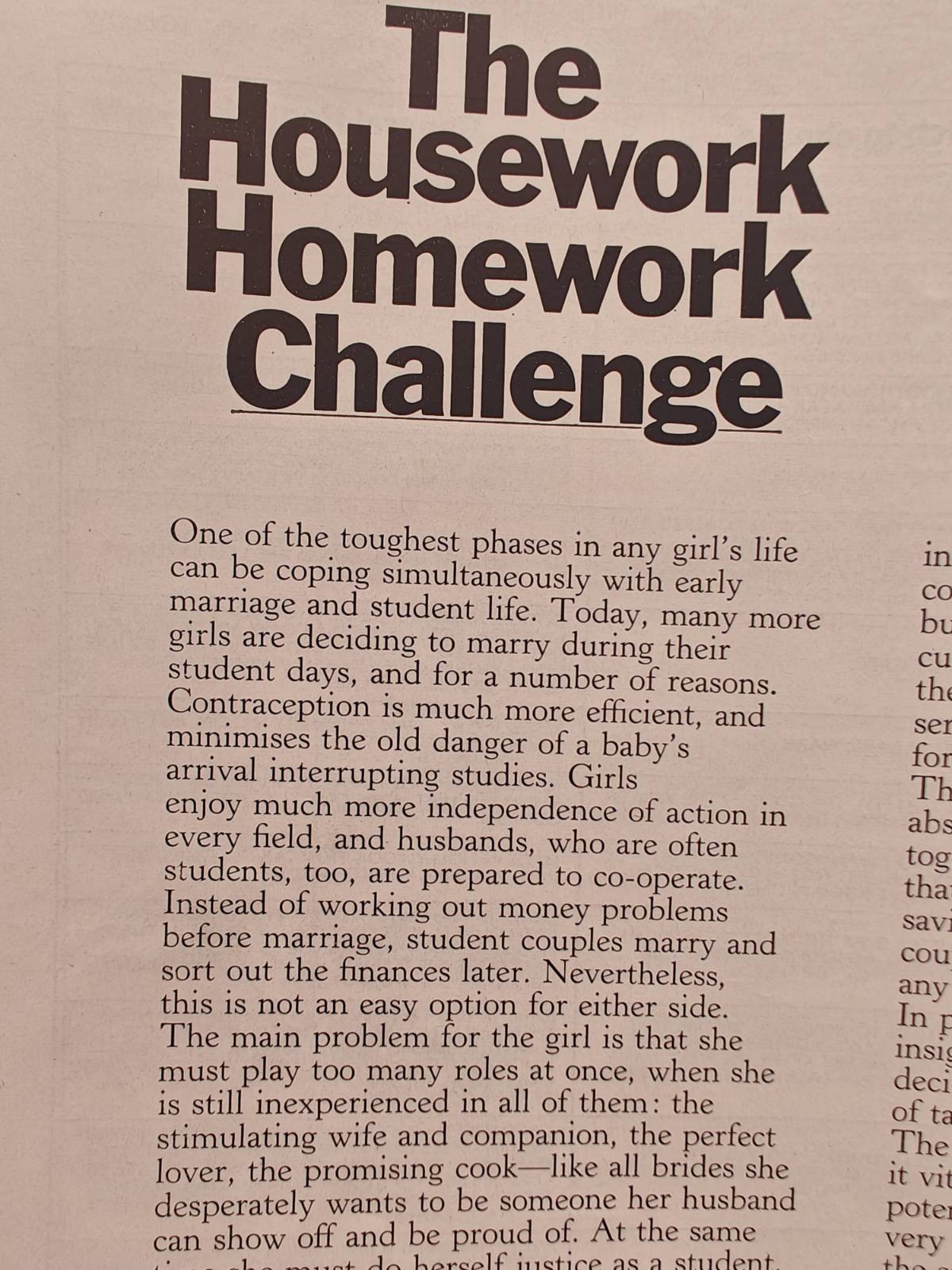
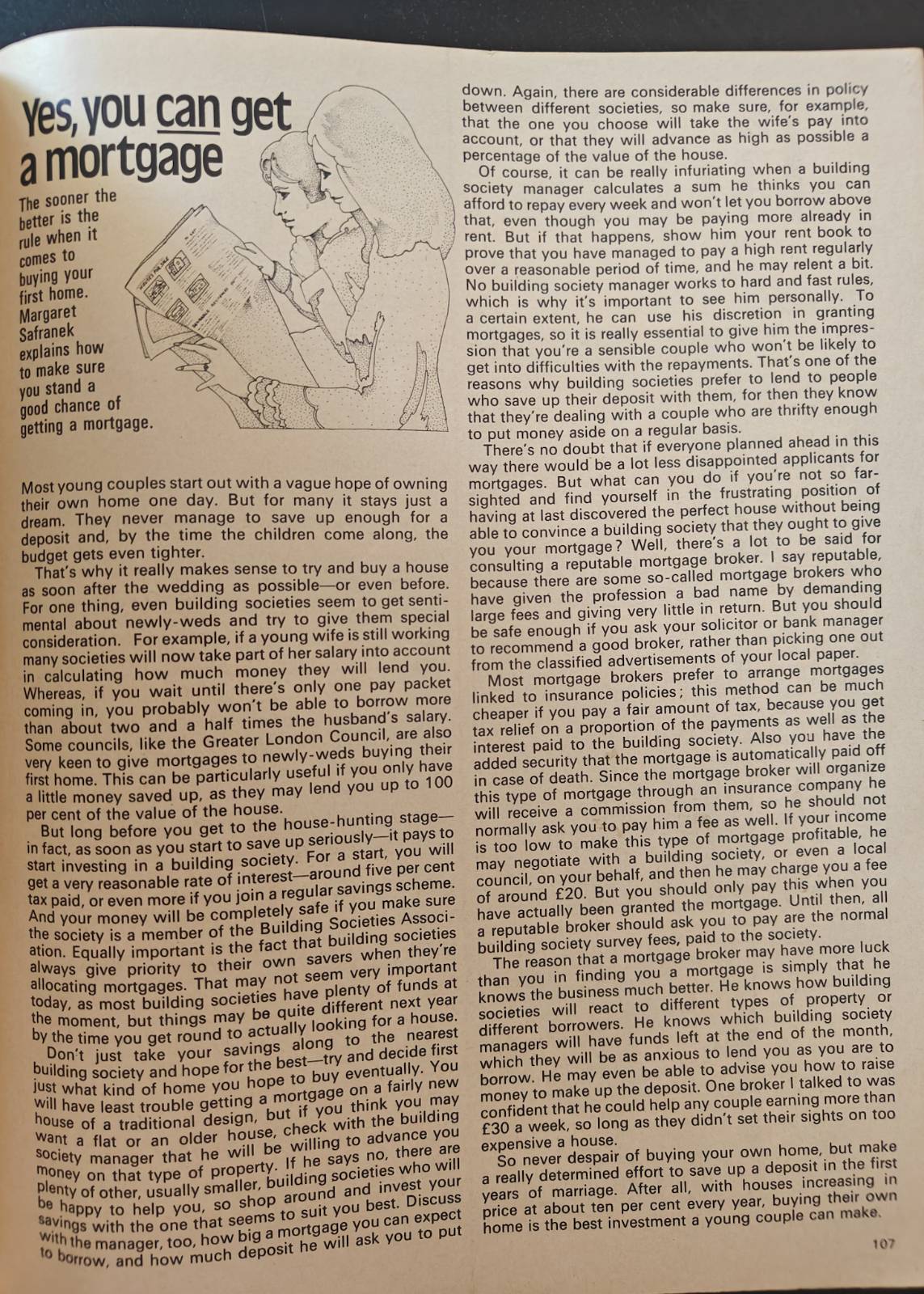
Something I actually didn’t realise is that wedding magazines back then were more than just about the wedding itself. One copy was called Brides and Setting Up Home (which is the same publication which we now know as just Brides) and another was called Brides and Home. They were basically a hybrid of a wedding magazine meets Good Housekeeping. Alongside wedding planning advice were articles about different mortgage options, saving for your first home, furnishing a house, cooking, and even how to choose difference appliances and linens!
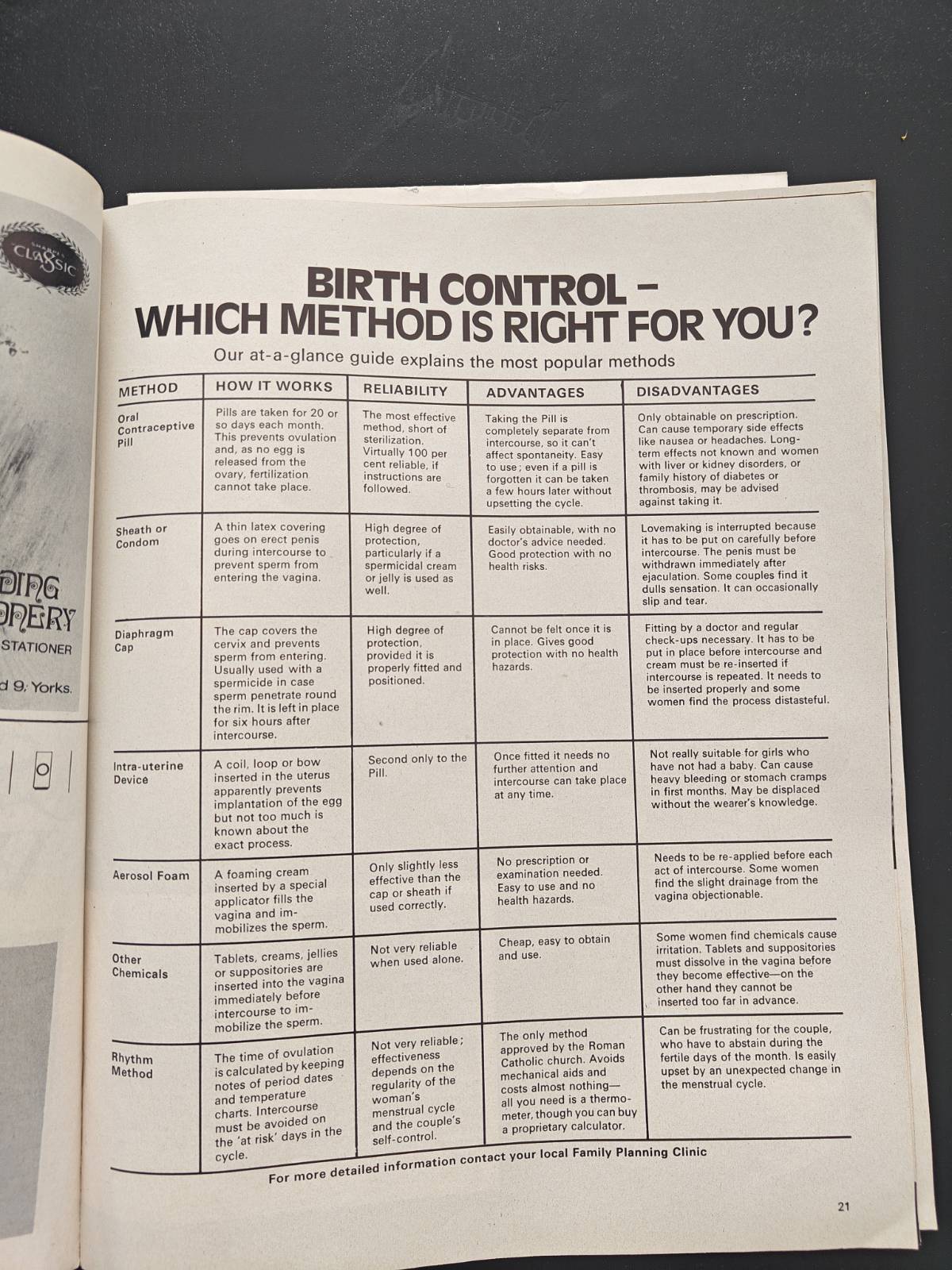
There was also a huge amount of discussion around contraception and family planning (I’m still having nightmares about the idea of aerosol foam!) I suppose with people typically marrying younger, and many couples waiting until marriage to have sex, those conversations occupied a far bigger place in newly married people’s thoughts than they do now.
It’s kind of genius really because the average engagement seemed to be considerably shorter than they are today. One planning guide suggested a three month timeline to plan everything. Three months! Can you imagine? But when your readers are only actively planning a wedding for a few weeks, expanding into broader life advice makes a lot of sense.
‘Vintage’ inspiration
Another thing that was quite surprising to me was how much “vintage” inspiration appeared throughout the magazines.
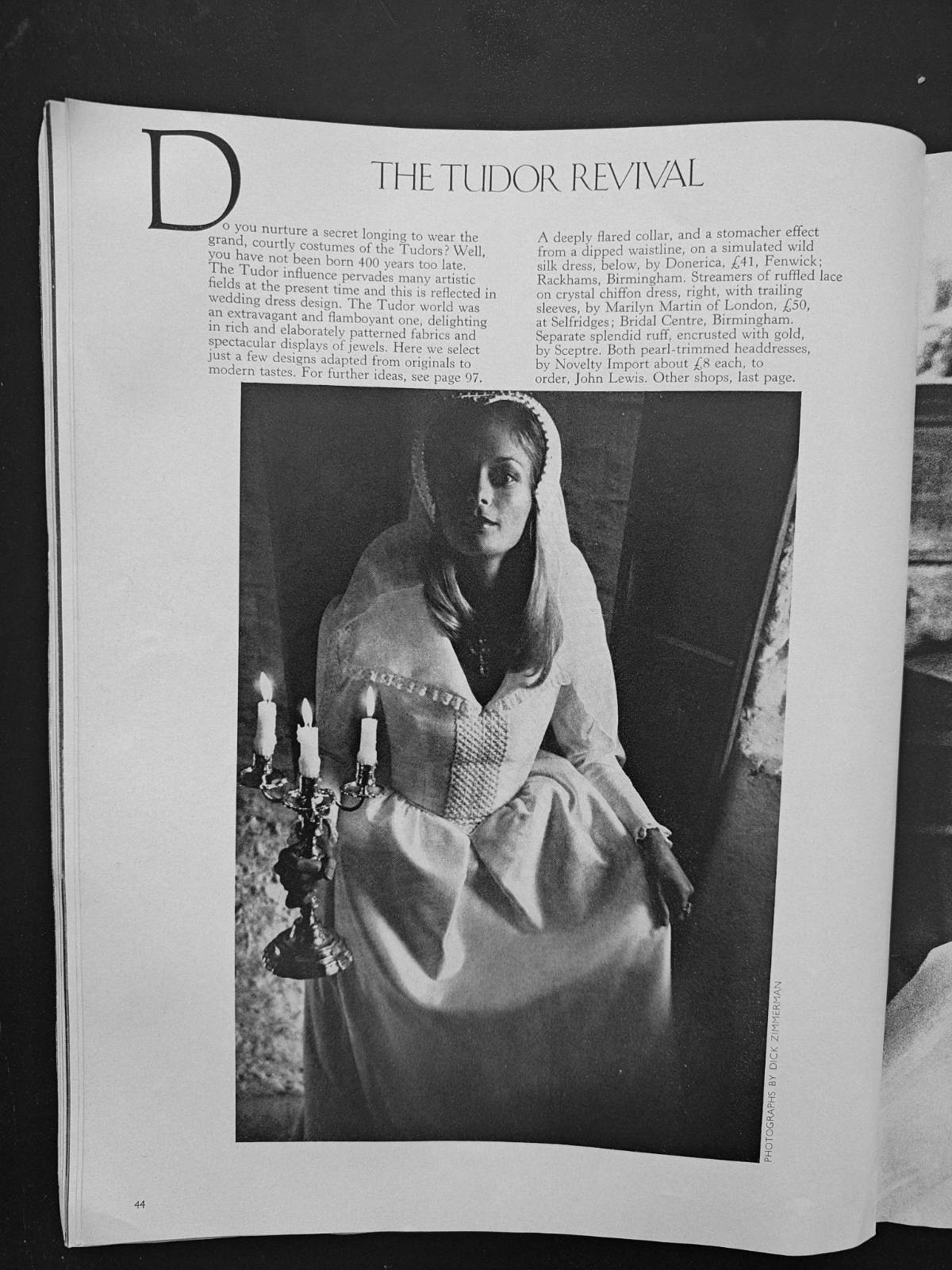
We often talk about modern couples looking to previous decades for ideas. So while a 2026 couple may look to the 60s or 70s for theme ideas, in 1971, magazines were encouraging couples to look even further back. There was one spread about Edwardian fashion, and there was even talk of Tudor-inspired weddings. TUDOR!! “Oh, our wedding theme? Henry VIII and his six wives. Its gonna be perfect!!” CAN YOU IMAGINEEEE?!
Real wedding stories
The one thing that was missing from all of these magazines was perhaps the thing that dominates wedding media today: real weddings.
Today we love to look at how real people had their weddings and be inspired by them, but there was none of that. I can only assume because most real people getting married would have only had a few black and white photos taken, mostly formals, and the details of the day were less about being unique and showing your personality. Like were most cakes, stationery, tablescapes etc the same? I honestly wish we could see!
Looking through these magazines, I definitely found myself wondering what weddings actually looked like beyond what the magazines were saying was popular. We all know what the wedding media present isn’t always totally accurate to most people’s reality.
While so much has changed, some things always stay the same
But my biggest lesson? That while weddings have always reflected the culture around them and the trends and advice changes, people are still asking many of the same questions today they were fifty years ago.
How do we pay for all of this?
How do we balance other people’s expectations?
How do we make the day feel like us?
Why does getting married bring up so any insecurities?
How do we create the best life together?
There’s actually something comforting and quite beautiful in that.
I loved looking through these magazines so much that I ended up going on a full Vinted treasure hunt to see if I could find more. I’ve already picked up another edition from the 60s and one 1989! So, who wants a part two?