Rings are one of the few traditions most couples still hold onto, even when they’re ripping up the rest of the rulebook. Engagement rings and wedding rings have history, symbolism, and a whole lot of cultural baggage. But do you actually need both? And what’s the real difference anyway?
What’s the Difference?
Engagement rings usually make their entrance at the proposal. Think centre stone, sparkle, something that shouts “I said yes” (or “they said yes”) before you’ve even had time to update your Instagram bio. It’s all about the promise of marriage.
A wedding ring comes later, during the ceremony itself. They’re usually a simpler band, and they symbolise unity and lifelong commitment. In short: the engagement ring is the question, the wedding ring is the answer.
Why People Wear Both
Plenty of couples love the ritual of wearing two rings. The engagement ring carries the story of the proposal, and the wedding rings layers on top as a marker of vows made. Worn together, they become a daily reminder of both moments… and they look pretty good stacked.
But not everyone wants two pieces of jewellery to do one job. Some couples skip the “set” altogether and go for a single ring that represents both promise and partnership. It can be a bold solitaire, a chunky band, or a fully custom design. This approach is practical, modern, and especially appealing if you don’t fancy juggling multiple rings while working, travelling, or just living your life.
History and Rebellion
The idea of needing both rings isn’t some ancient rule carved into stone. A lot of these traditions are surprisingly recent and pushed hard by the jewellery industry. Remember De Beers’ “a diamond is forever” campaign? It wasn’t about love; it was about selling more diamonds. The same logic applies to the two-ring setup – it’s not sacred, it’s marketing. Which means you can treat it as optional, not compulsory.
Queer and Gender-Free Takes
Rings aren’t limited to the bride-groom binary. Queer couples, non-binary couples, and polyam partnerships often reinterpret or reject the tradition completely. Some exchange matching bands, others swap something entirely different, or skip the rings altogether. There’s no “right” way to do it. The meaning is in how you define it, not how tradition prescribes it.
Alternative Jewellery
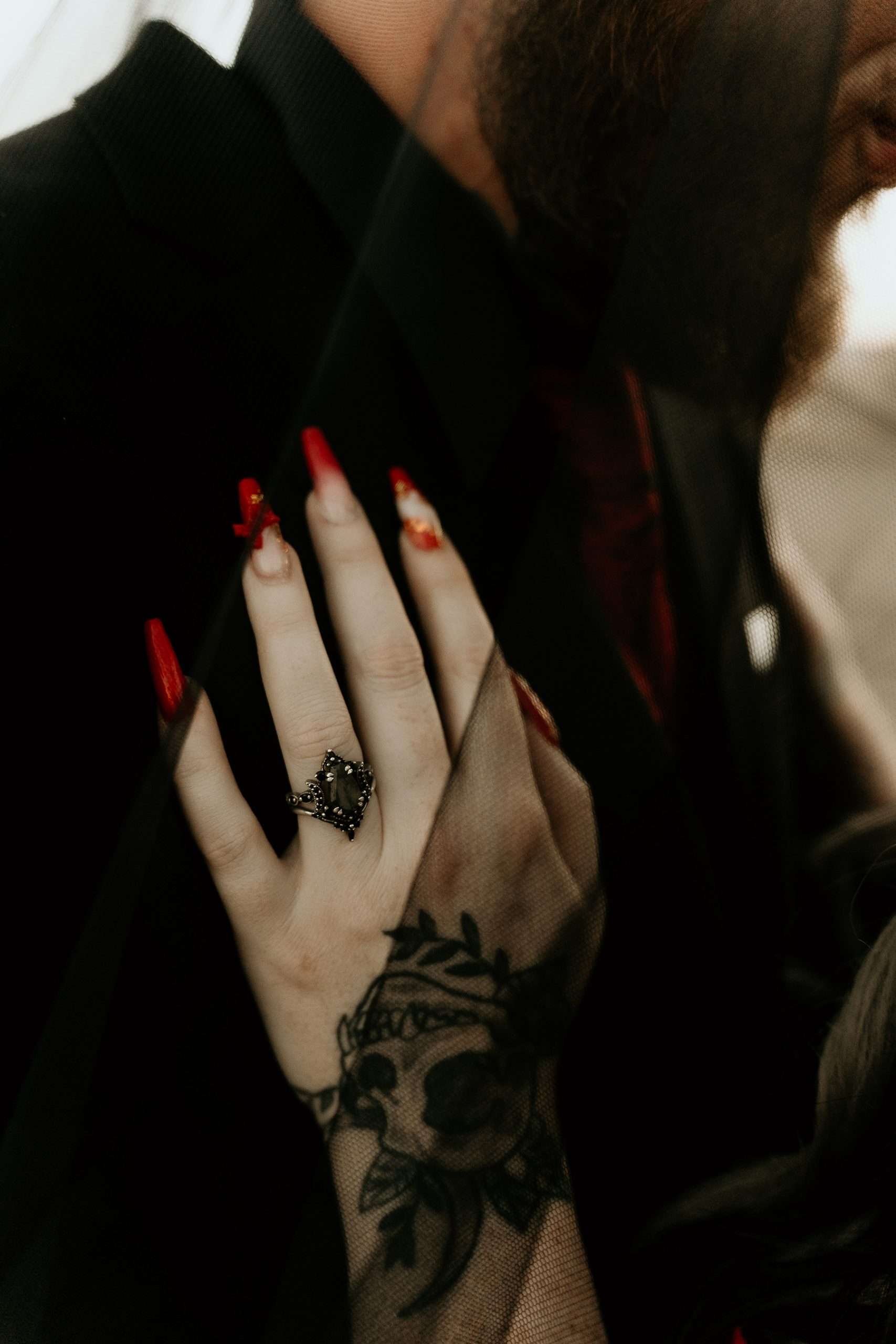
Who decided it has to be a white diamond on a thin band anyway? Coloured diamonds, moissanite, emeralds and sapphires are all fantastic options – or forget gemstones altogether. Some couples go for tattoos on their fingers, chunky signet rings, chains, or even lockets. Anything that marks your commitment can be your “ring.” This is your story; you get to decide the format.
Style and Subversion
If you are wearing both, you don’t have to make them look like a perfectly matched set. The jewellery industry wants you to believe they should slot together seamlessly – but clashing metals, stacking multiple rings, or deliberately mixing shapes and textures creates something far more personal. Your hand doesn’t need to look like a shop display; it can look like your life, layered and chaotic and full of meaning.
So, Do You Need Both?
Honestly, no. Whether you wear one ring, two rings, or none at all is entirely up to you. Some people love the ritual of both, some love the simplicity of one. The only rule is that it should reflect your story, your lifestyle, and your style.
Tradition says two, but your wedding doesn’t have to follow tradition. Your rings are about your commitment, not a checklist. Pick the option that feels right, and wear it your way.