While wedding planning is a really exciting time, it can also be seriously challenging if your budget is limited. While a big wedding might be pretty in posts on social media, beginning married life with debt is completely not worth it.
Your wedding doesn’t need to cost £100k to be absolutely wonderful. You can create a meaningful celebration on pretty tight budget when you clearly define your priorities, have open conversations, and ignite your creative genius.
Decide What Matters Most
Talk with your partner about what you really want from the day before looking at venues, dresses, or decorations. Forget about what relatives want or what social media tells you this is how weddings are “supposed to be”.
Maybe what matters most to you is having your nearest and dearest all gathered together. Perhaps you appreciate good food, music or photographs above all. Many couples want to have a gorgeous ceremony but don’t care to go through the formality of an official reception. Some opt for a quick legal ceremony and then splurge on the honeymoon instead.
Select two or three priorities and bring your budget to support them. This is easier to do when you know what is most important in your life.
Be Realistic
Your wedding budget should be based on the money you have now, rather than income you expect to earn later. Start by looking at your savings and monthly income, then subtract regular commitments such as rent, student loan repayments, credit card bills and car finance. If you’re studying, remember to include tuition, transport, exam fees, textbooks and any paid academic support, including online services that allow you to pay for homework assistance. Try not to rely too heavily on credit cards or loans, particularly if you are already managing education-related debt.
With a hard spending limit set, break that down into the venue cost, food and drink, your outfits, photos and video, décor and any ceremony fees. Pay attention to smaller expenditures that can add up quickly such as invites, favours, beauty appointments and those sneaky little last-minute purchases. So you may feel like none of these things cost a lot, but together they can take up much more of your budget than you realise.
Reserve 5-10% of the total budget, as an emergency fund. This spare cash can be used to handle any unexpected additional cost and put you mind at ease as the wedding day draws closer.
As wedding planning includes a lot of online research, you might also want to consider using a free VPN for Windows which can help you with security, especially of you’re doing it on the go or over public WiFi.
Keep the Guest List Small
The single biggest wedding expense is the people. The more guests you invite, the more you have to pay for food, drinks, chairs, tables, invitations and favours. A smaller wedding is usually the most feasible choice for couples on a tight budget. Only choose people that are actually close to you as opposed to everyone you’ve ever come in contact with at university, work or social media. Also just because someone is on your family, or invited you to their wedding, doesn’t automatically mean they have to be invited!
Sticking to a smaller guest list creates a really relaxed, intimate celebration. This allows you to spend more time with each guest and gives a wider choice of venues. Look at charming cafés, a family garden, restaurants, village halls, pubs… you get the idea.
The Time and the Place
Saturday summer dates at traditional wedding venues always come with the heftiest price tags. Going for a weekday, Sunday or off season wedding can often save you a lot of money. Many venues will have cheaper hire fees when demand is low.
How to Save on Food Without Disappointing Anyone
You do not need to have a formal three-course meal to make guests feel welcomed. You can make a buffet, brunch, picnic, barbecue or get a pizza delivery! These sorts of things usually go down a storm and are much cheaper.
Pick food that follows the overall feeling of the wedding. Say you have the ceremony in the morning – you could follow with coffee, pastries, fruits and sandwiches. In the evening have dinner served family-style or just sharing dessert from your favourite local restaurant. Instead of asking for gifts, you could ask family or friends to pitch in with a dish, and have a potluck-style dinner.
Get Creative with your Clothes
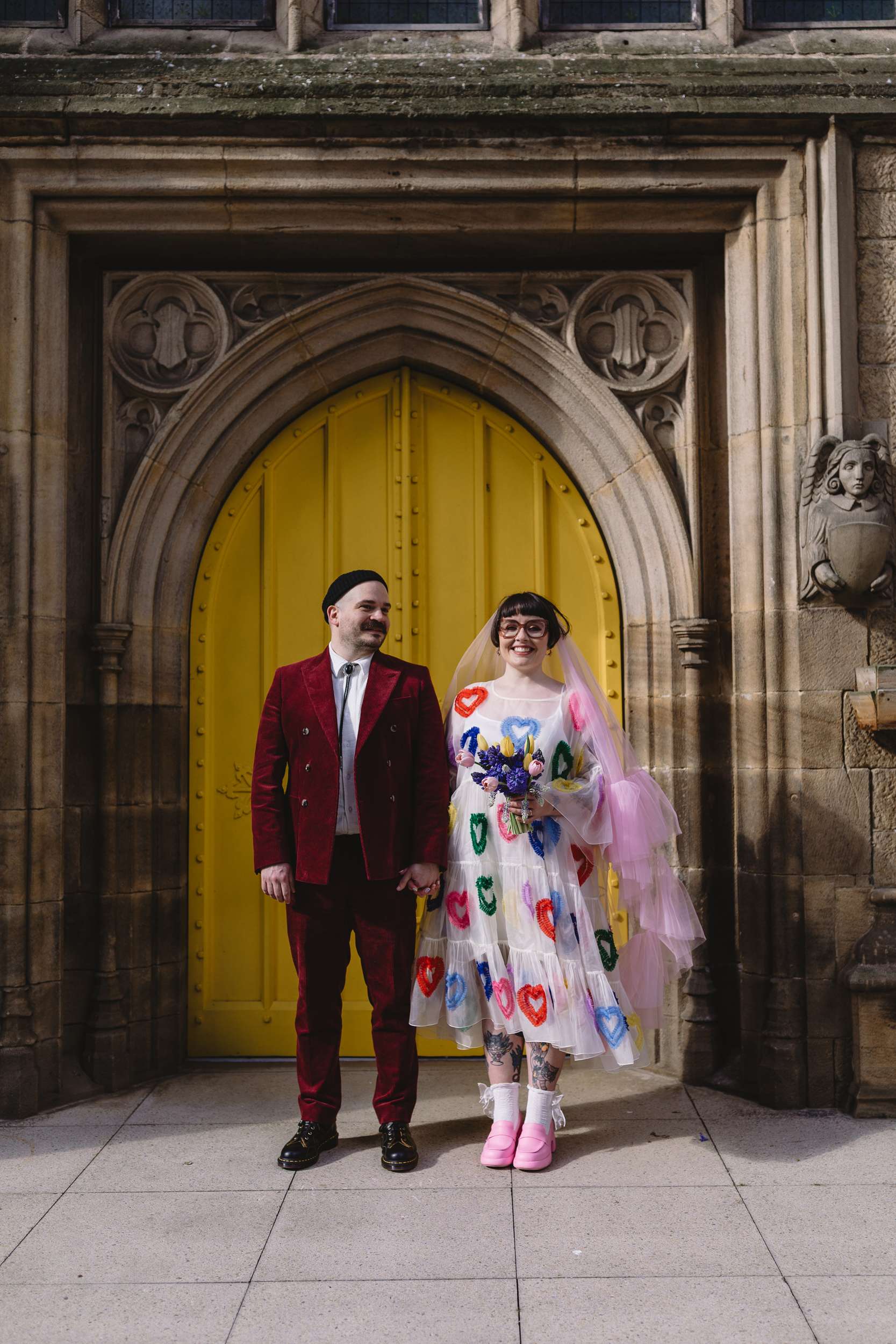
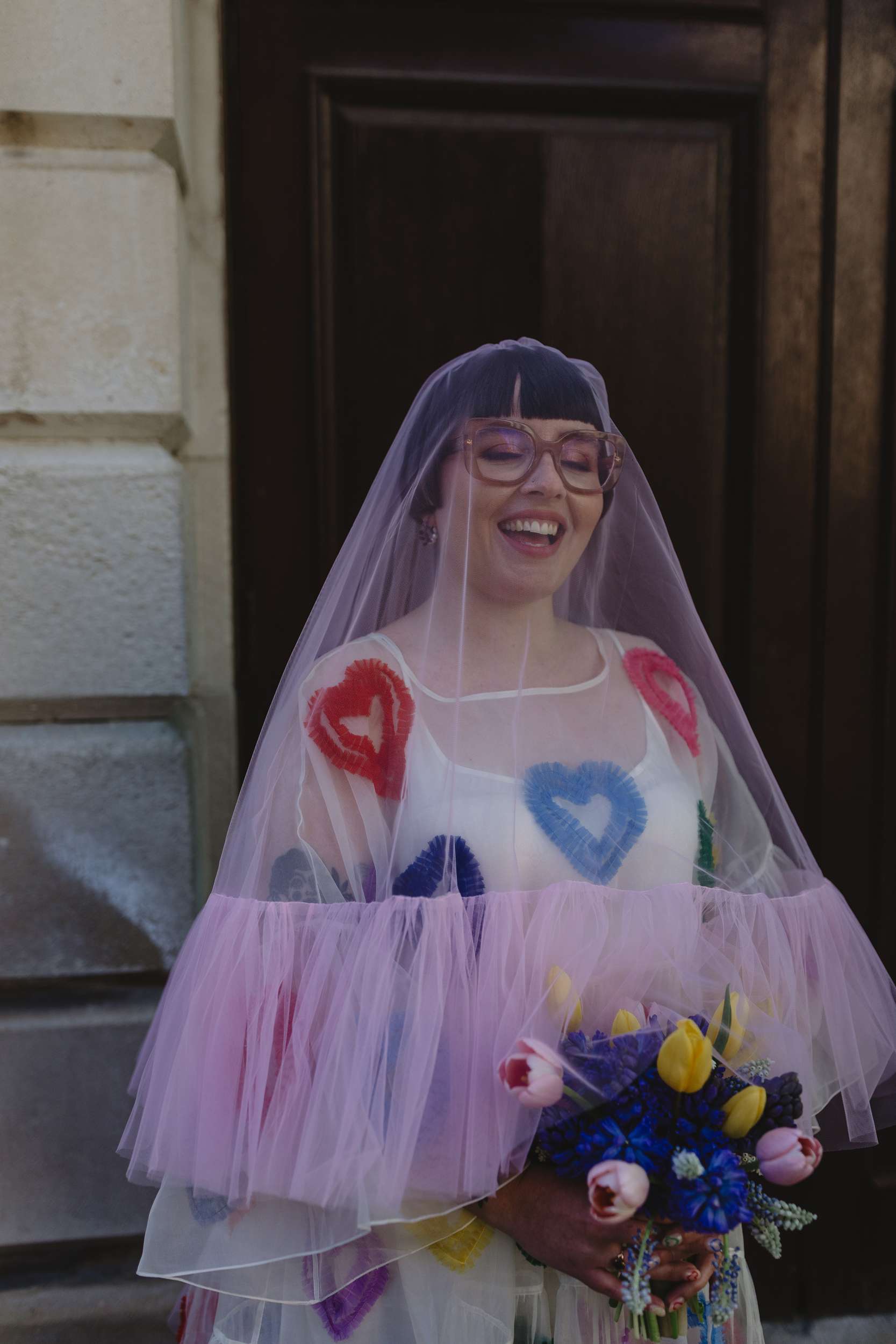
Your wedding attire can be the most emotional purchase, but it doesn’t need to cost thousands to be special. Look intro renting your outfit, buying secondhand, or from the high street. A simple white dress can look really awesome when styled really well. Or hell, you could even wear something you already own and love.
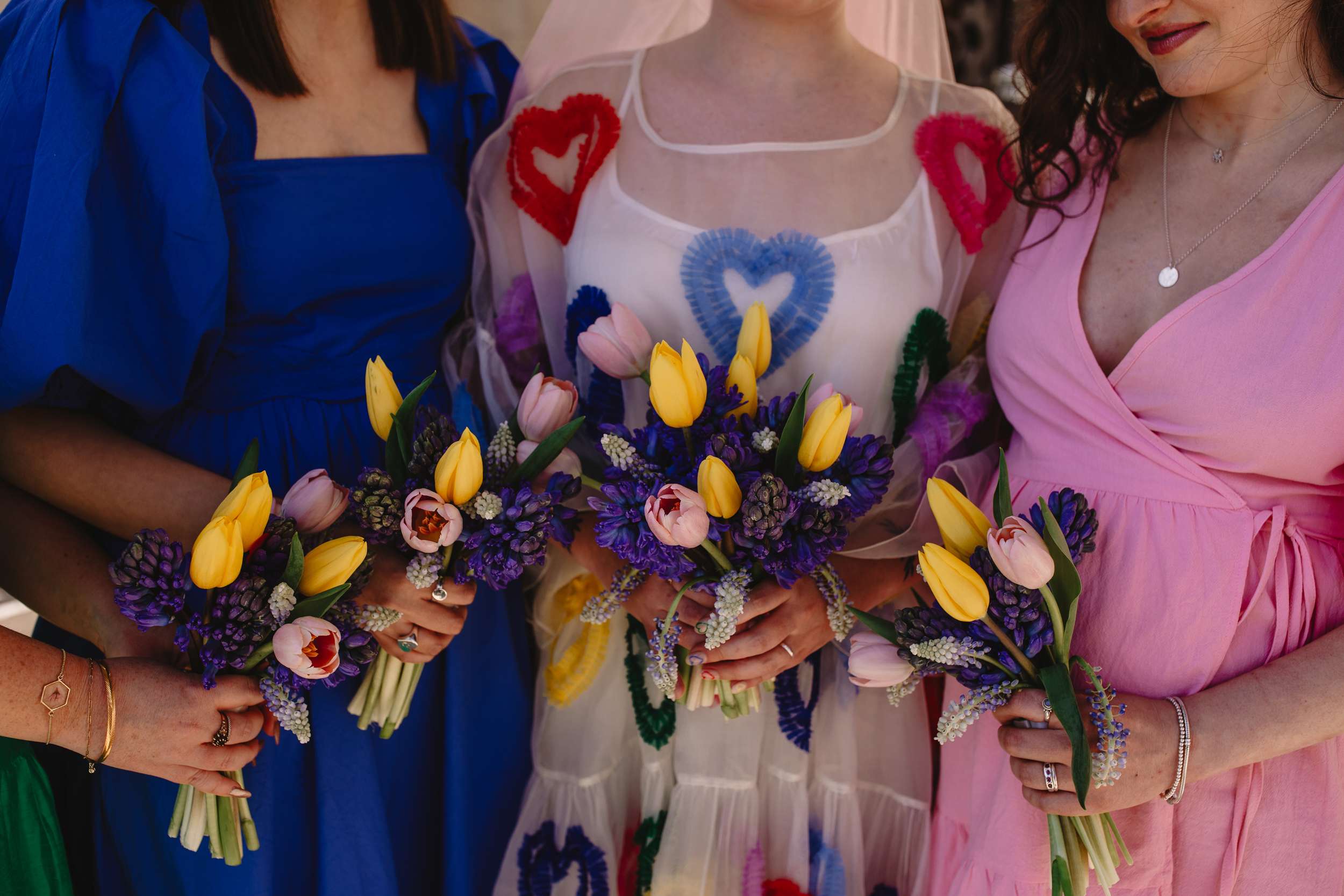
The same tactic goes for your décor. Elaborate flowers, big centrepiece and custom signs are amazing, but entirely optional. Instead, scour thrift and charity shops for candles, glass wear, vases, textiles, or and cute little figurines that speak to you. You can also borrow things from friends and family, or your own home.
Tap Into Your Network
Look into friends or students building their portfolios for things like photography, hair and make-up, graphic design, live music, and dress alterations. People who are still training or building their portfolios will charge less than established professionals. Of course, they are still learning so they are never going to give you the same experience as a seasoned pro, but if the budget is really tight and you were going to go without something, this could be an option.
Keep the arrangement professional, even if you know the person. Agree on the work involved, deadline, fee and expenses beforehand. Building a portfolio does not make someone’s time worthless, so budget for fair payment rather than asking them to just work for practice and exposure.
Traditions are Optional
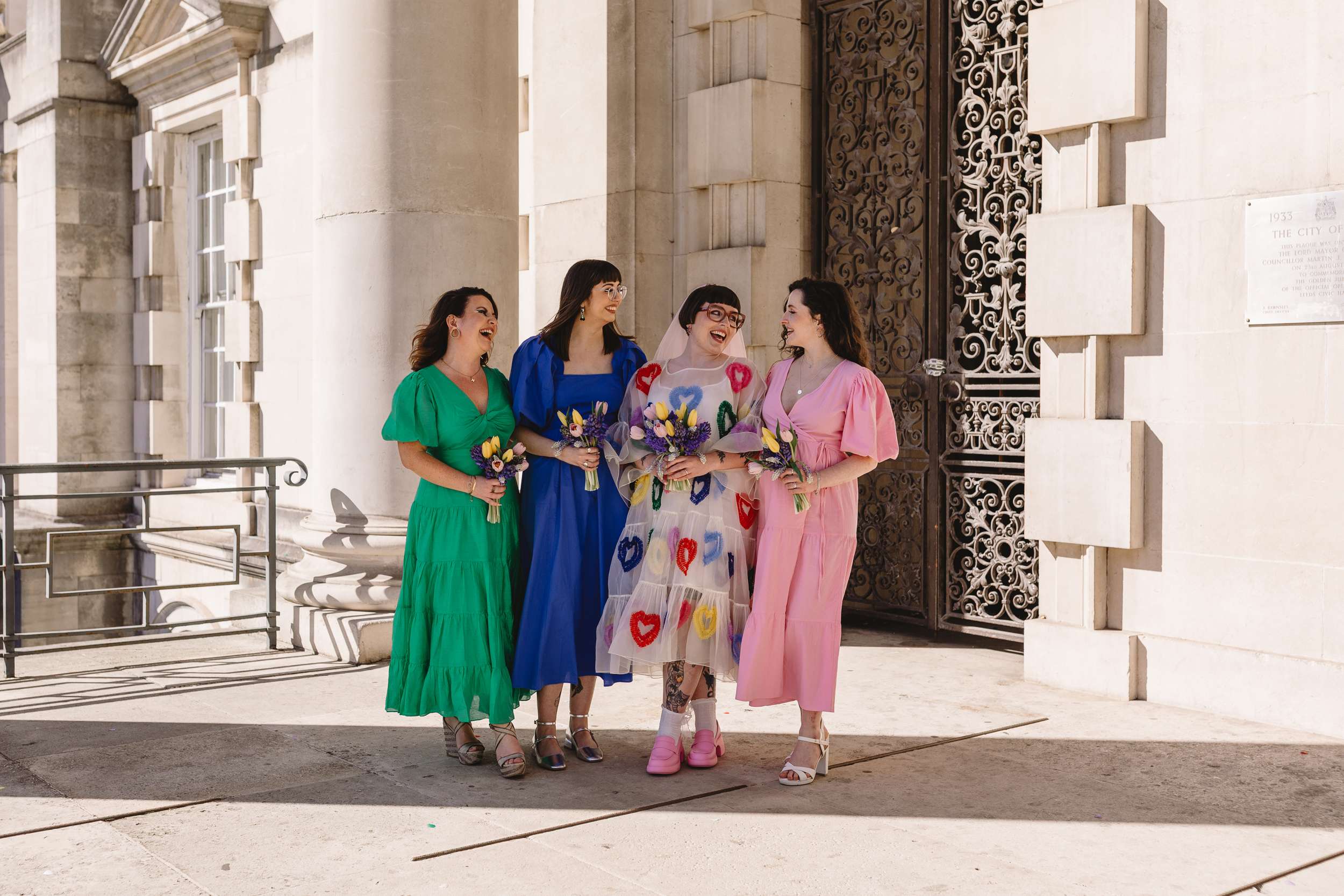
Unless these matter specifically to you, bin them, especially if they’re costing you money. There is no need identical bridesmaid outfits, an enormous cake, hired caterers or even multiple outfit changes. The only thing you actually need is each other and someone to marry you.
Before every purchase, ask one simple question: will it help make the day more meaningful for us or our guests? If the answer is no, you can cut it.
Ultimate, the hack is to simply make plans based on your actual financial situation, prioritise only the few things that really matter to you and ditch the rest. Do not spend money you don’t have because you want to meet other people’s expectations of what your wedding “should” be. Your future selves will thank you far more for avoiding wedding debt than for any detail you felt pressured to include!
Suppliers
- Photography: Louise Barry Photographer