By now we’ve all heard the De Beers diamond lore. In 1947, one slogan to promote diamonds as the stone for engagement rings changed everything. ‘A Diamond Is Forever’ was conceived by a copywriter in an advertising agency and it’s now widely considered one of the most influential marketing campaigns of all time. Before this, there was no particular stone always used for engagement rings. Yet just like Queen Victoria and her white wedding dress, diamonds became a trend. Tradition followed and history pretty much rewrote itself.
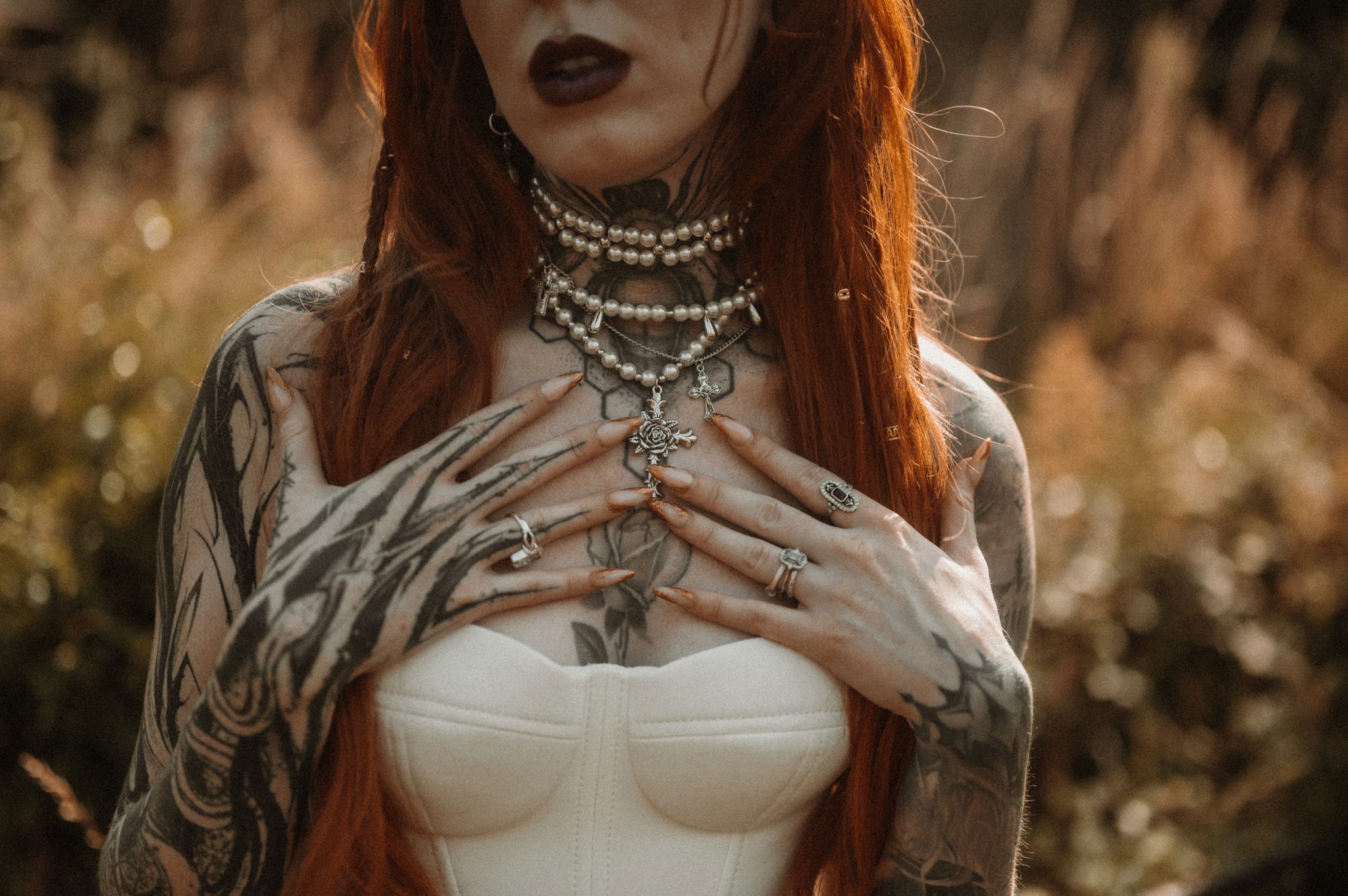
But, just like anything around weddings and getting married, you can opt out of what’s expected. An engagement ring can be colourful, chunky, simple, second-hand, custom-made, inexpensive or eye-wateringly expensive. It can come from an antique shop, it can be chosen together, paid for together or worn by both of you. It can also be a tattoo, a watch, a necklace or absolutely nothing.
The best engagement jewellery reflects the person wearing it. So start with your taste, your budget and the reality of what your hands do all day. The traditional diamond solitaire is not the only option.
Moissanite: Big Sparkle Without the Diamond Price
Moissanite is the obvious starting point for anyone who loves a clear, light-catching stone but feels less enthusiastic about diamond prices or ethics.
The moissanite used in jewellery today is created in laboratories. It produces plenty of rainbow-coloured fire and registers 9.25 on the Mohs hardness scale, making it suitable for jewellery designed to be worn regularly.
It also gives you far more freedom with size. If your dream ring involves an unapologetically large stone, dramatic shape or sizeable cluster, moissanite engagement rings can deliver the impact without devouring your wedding budget.
Moissanite has its own appearance, particularly under bright light, where its flashes of colour can actually be more pronounced than those of a diamond.
Sapphires Come in More Than Blue
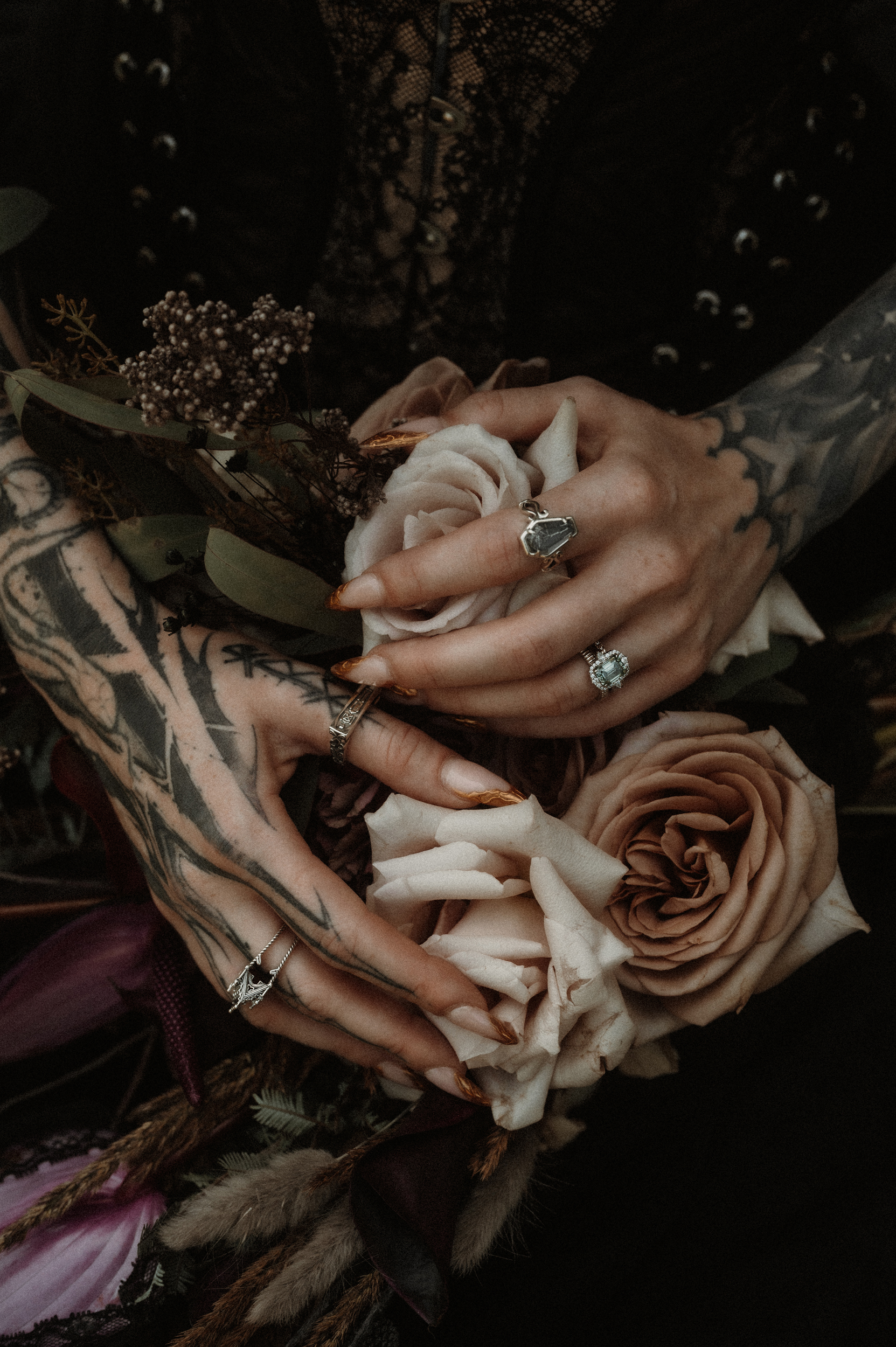
Sapphires are an excellent choice for engagement rings because they combine colour with practicality. They rank 9 on the Mohs hardness scale and can withstand regular wear when treated with reasonable care.
Blue remains the famous option, but sapphires also appear in pink, yellow, green, orange, purple and near-black. Parti sapphires contain more than one colour, creating combinations of blue, green and yellow that look different from every angle. Montana and teal sapphires have also become popular with couples drawn to moodier shades.
Ask the jeweller about any treatments the stone has received and whether those treatments affect its care. Colour may grab your attention first, but transparency about what you are buying still matters.
Rubies for Maximum Drama
A ruby engagement ring brings instant main-character energy. The colour can range from pink-red to deeper crimson, and the stone shares sapphire’s position at 9 on the Mohs scale. Both are varieties of the mineral corundum, with red stones classified as rubies.
Rubies work particularly well in vintage and gothic designs. Try a deep red centre stone with blackened metal, a chunky yellow-gold setting or small clear stones around the edge. A bezel or halo can provide additional protection while adding visual weight.
Natural rubies vary enormously in price and quality, so ask about lab-grown options if you want a larger stone or a particular colour on a tighter budget. Lab-grown rubies have essentially the same chemical and physical properties as their natural counterparts, with their origin accounting for the distinction.
Vintage Rings With a Past
A vintage engagement ring arrives with character already built in. Old mine cuts, chunky Art Deco geometry, Victorian clusters, engraved bands and wonderfully strange mid-century designs all offer a break from the rings currently following you around Instagram.
Shopping vintage can also give you access to craftsmanship and details that would cost considerably more to reproduce today. The hunt takes patience and sizes are limited, condition can also vary and older settings may require repair before everyday wear.
Have the ring inspected by a reputable jeweller before buying, particularly if the stones move, the claws look worn or the band has become thin. Ask whether resizing is possible, as some intricate, engraved or eternity-style bands are difficult to alter.
Not All Alternative Gemstones Are Right for Engagement Rings
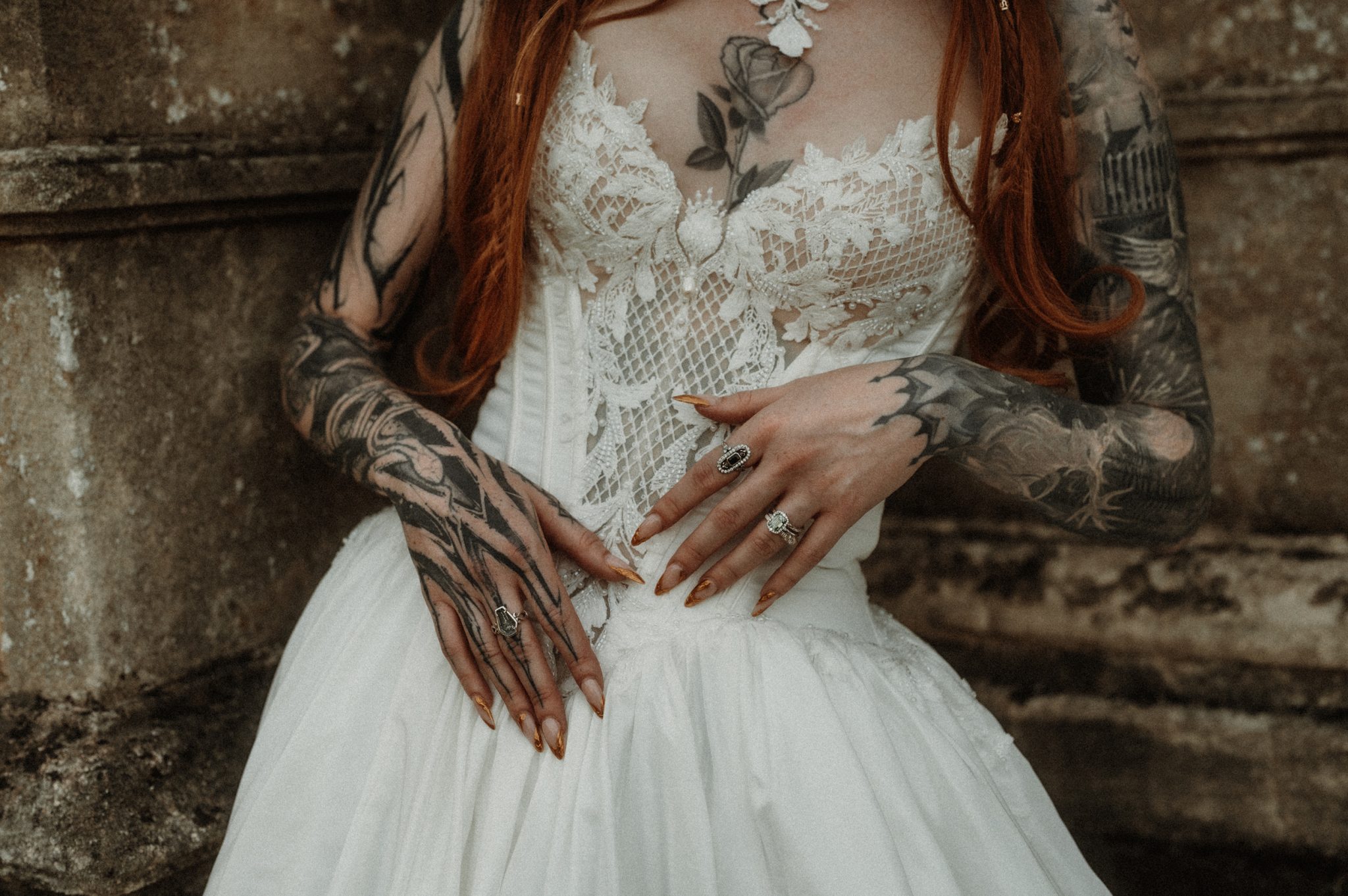
If you plan to wear your engagement ring 24/7, then there are certain stone which aren’t the best choice. Opals, pearls, moonstones, turquoise and emeralds can all make incredible engagement rings but they are also quite soft so require more care than diamonds, moissanite, sapphires and rubies.
That does not ban softer stones from engagement rings. It just means you should understand how the ring needs to be worn. Someone who removes their jewellery for work and saves it for evenings may happily live with an opal, but someone who wants to wear the same ring through pottery classes, weight training and a shift behind a bar may find it frustrating.
Engagement Ring Tattoos
Ring tattoos solve several practical problems at once. They cannot fall down a drain, catch on knitwear or require emergency resizing after a hot day. They can also suit couples who already view tattooing as an important part of their lives.
Designs range from simple lines and initials to symbols, ornamental patterns and tiny illustrations. Finger tattoos tend to fade more quickly than tattoos elsewhere on the body because hands experience constant movement, washing, friction and sun exposure. Touch-ups may be part of the deal.
Choose an artist with experience tattooing fingers and look at healed examples of their work. Fresh photos show the initial design but healed photos tell you how their technique holds up.
You could also pair a tattoo with a physical ring, using the tattoo as a permanent base and changing the jewellery whenever your mood, outfit or practical needs demand it.
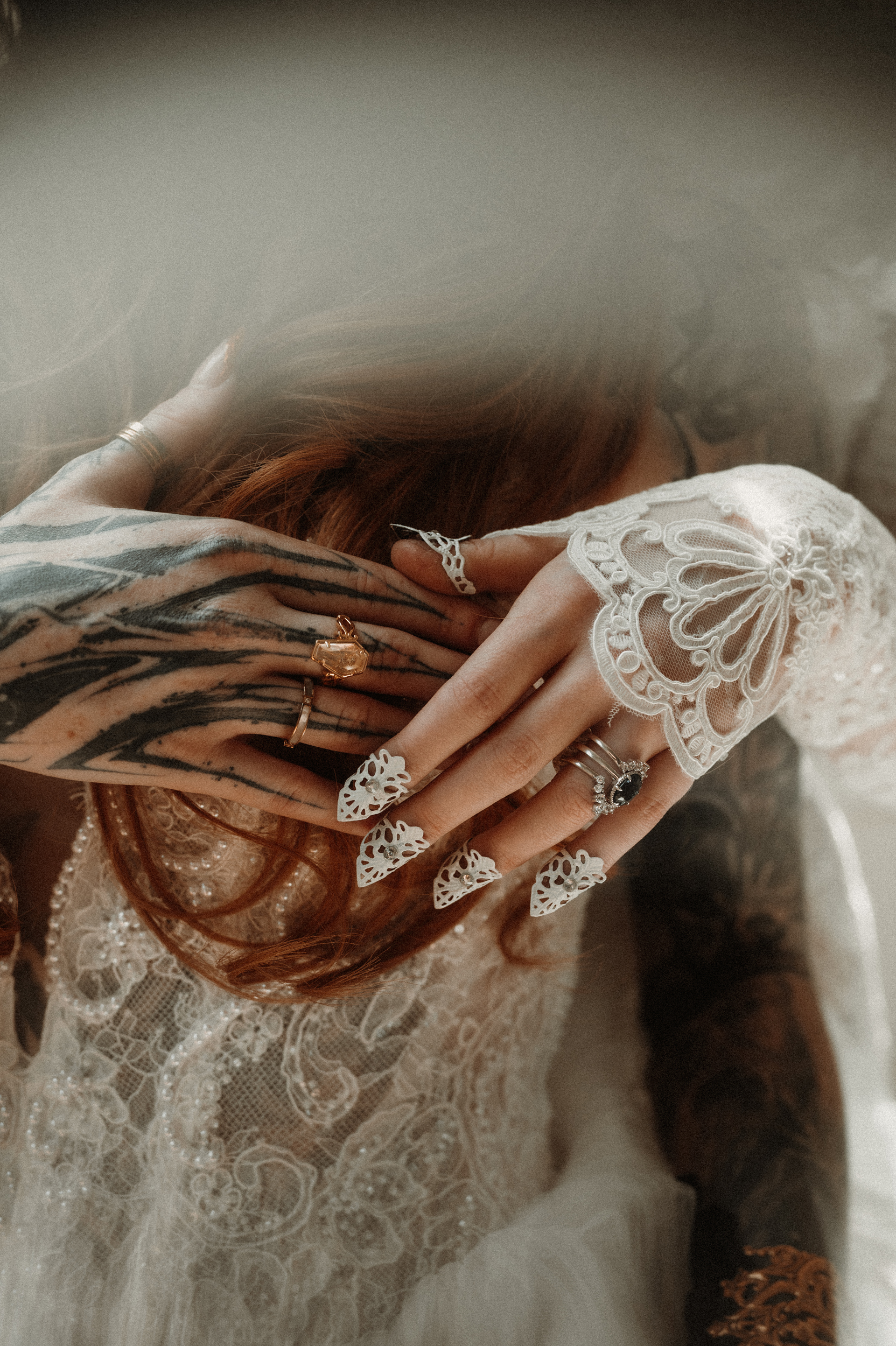
Engagement Jewellery Without the Ring
Some people dislike wearing rings. Others cannot wear them for work, find them uncomfortable, experience swelling in their hands or simply want something else.
A necklace, bracelet, watch, brooch, tooth gem or piece of custom body jewellery can mark an engagement just as effectively. You could commission matching pendants, engrave a watch, buy a piece from an independent maker or choose something connected to a shared interest.
You Can Buy the Ring Together
Surprise proposals have excellent PR. They also place one person in charge of choosing an expensive object that somebody else may wear for decades.
Shopping together gives you control over the design, fit, budget and practical details. The proposal itself can still be a surprise if that matters to you. Choose the ring in advance, propose with a temporary ring or present a loose gemstone before creating the final piece together.
No matter what tradition or trends say, just remember its your ring, your rules. The conventional diamond solitaire remains one option among hundreds. Your engagement ring should work with your hands, your finances, your lifestyle and your taste.
Suppliers
- Photography: Natalescha
- Production & Styling: Kat Williams
- Dresses & Styling: Charlotte Elizabeth Bridal