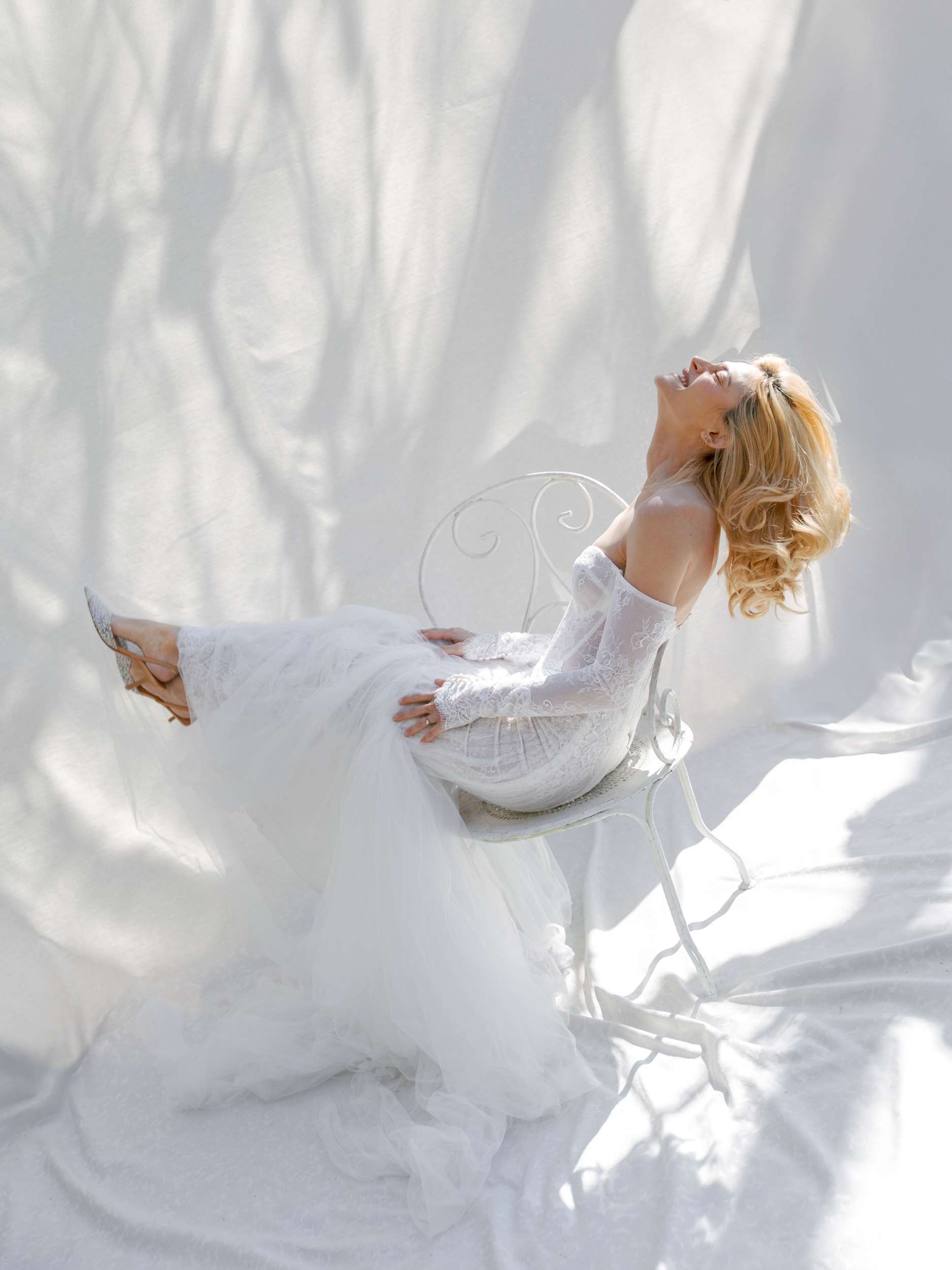
Most brides go into wedding dress shopping focused on what they want their dress to look like. You’ve probably saved necklines, silhouettes and sleeve details to Pinterest boards for months… but once you actually start to try dresses on, it will suddenly start to dawn on you that there are a lot of practical considerations too. A 20-foot train may look incredible on a mood board, but in reality, it will frustrate you before the ceremony is even over. A long sleeve gown may be the vison in your head, but if you’re getting married in the height of summer, think again. That basque waist may be stunning, but can you sit down and eat while wearing it?
Once you’ve starting trying dresses on and found one you like, ask yourself:
1. Can I move properly in this dress?
Sit down. Lift your arms up. Walk quickly. Dance a little. Try and walk up some stairs if you can. A dress can look incredible standing perfectly still on one of those weird plinth things boutique have, but it could be become a nightmare the second real life starts happening around it.
If you’re planning a wedding where you’ll be moving all day, comfort matters. Nobody wants to spend their reception guarding a thigh split or adjusting a slipping corset every seven minutes.
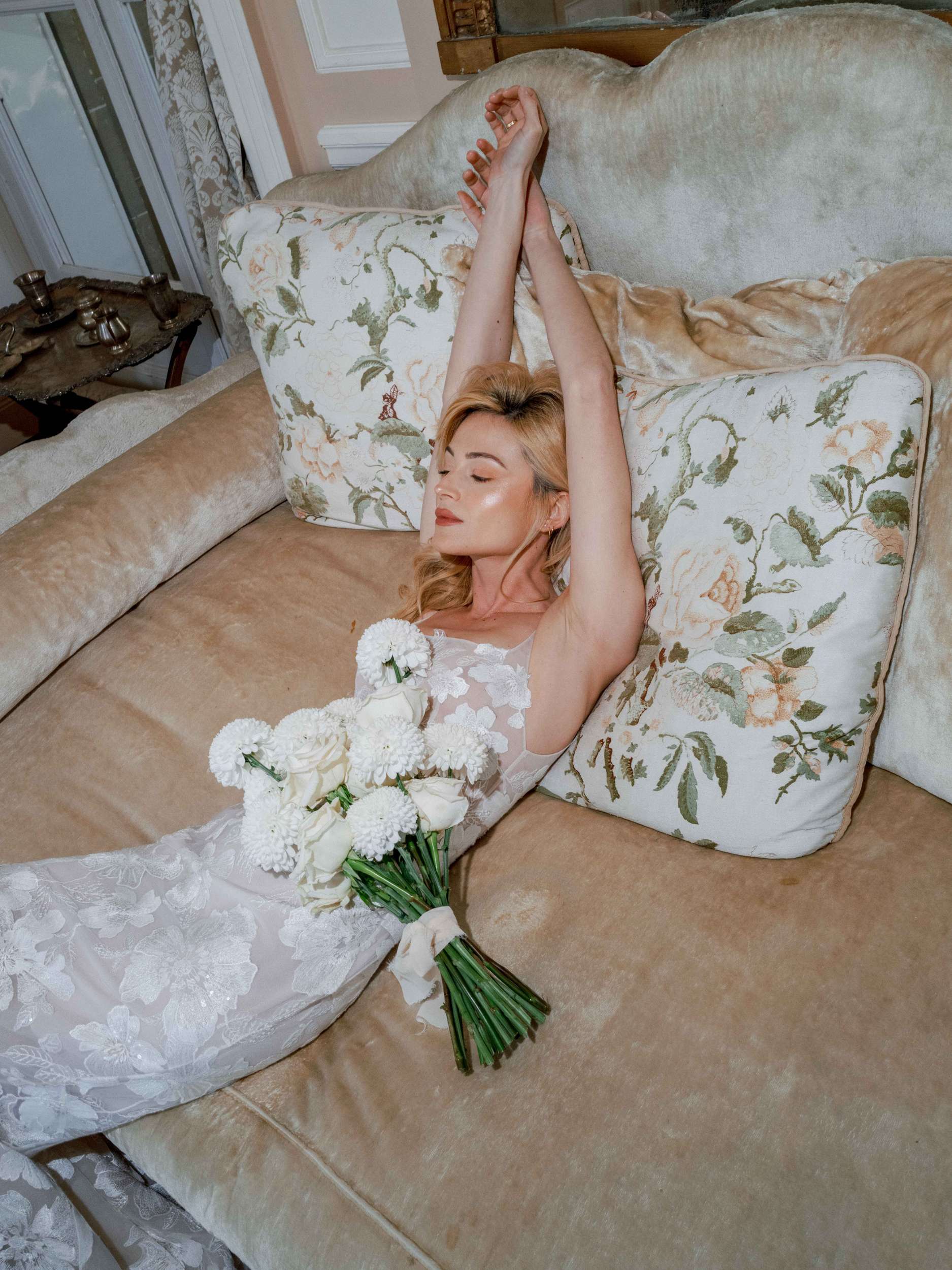
2. Can I wear this dress for 8+ hours?
Heavy beading, layered tulle and structured corsetry can feel very different after a long day of wear.
A lot of brides don’t realise how physically tiring some dresses are until fittings begin. If you’re getting married abroad, outdoors, during summer or at a festival-style wedding, fabric choice matters even more. Some dresses are designed more for photos than actually wearing for a long day.
Looking through different silhouettes and fabric options before your appointment can help narrow things down. Browsing collections like Terry Costa’s dresses for wedding can also give you a better sense of what styles actually match the kind of day you’re planning.
3. Is this dress designed with my body shape in mind?
Boutique samples are clipped, pinned and adjusted constantly during appointments. Sometimes heavily.
So, ask what size the sample is and how the actual ordered dress will fit compared to what you’re seeing in the mirror. Some fabrics drape very differently once properly fitted. A good bridal stylist will explain this honestly rather than relying entirely on imagination and optimism.
A lot of bridal brands will tell you a dress is available in a wide size range. That doesn’t automatically mean the design has been properly considered across those sizes. Some gowns scale beautifully. Others clearly started life with one body type in mind.
Delicate spaghetti straps might look great on a size 8 sample but feel completely different on a fuller bust. A corset with minimal structure may not offer enough support once scaled up. Certain necklines, fabrics and boning techniques behave very differently depending on sizing and proportions.
That doesn’t mean larger brides should avoid particular styles. It means it’s worth asking how the dress has been constructed and whether adjustments have been thoughtfully engineered rather than simply enlarged mathematically.
A good boutique should be able to talk honestly about support, fit and alterations without trying to squeeze every body into the exact same blueprint.
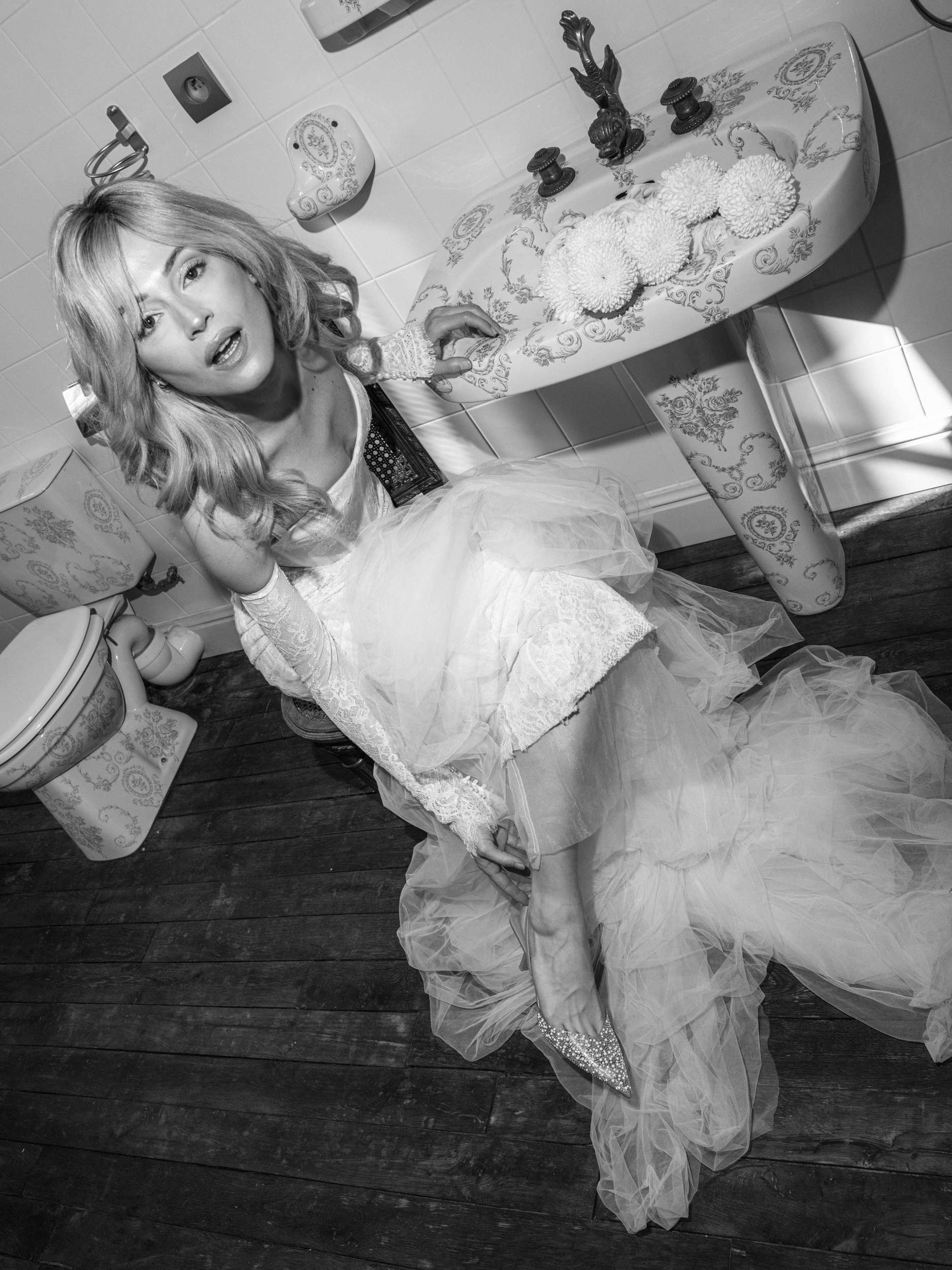
4. What are alterations going to cost?
Alterations are one of the biggest surprise wedding dress expenses. Depending on the construction of the gown, customisations and tailoring can easily add hundreds onto the final price.
Ask early:
What alterations will be needed?
Are alterations done in-house? (either is fine, but it’s good to know)
How many fittings should I expect?
What happens if my size changes?
A boutique being transparent about this from the beginning is usually a very good sign.
5. What underwear will I wear with this?
A deeply important question.
Some dresses require very specific bras, shapewear or tape setups. Others make underwear almost impossible altogether. For backless, strapless or plunging styles, Boomba adhesive bra inserts can provide extra lift and support without visible straps. It’s better to work out what your dress requires upfront rather than panic-ordering five different backless bras at 1am three weeks before the wedding.
If comfort or a particular type of bra is important to you, say that clearly during appointments. A good stylist should work with your priorities. A lot of gowns have built-in cups, but if you have a large bust it’s important to ask if that’s going to be enough support for you.
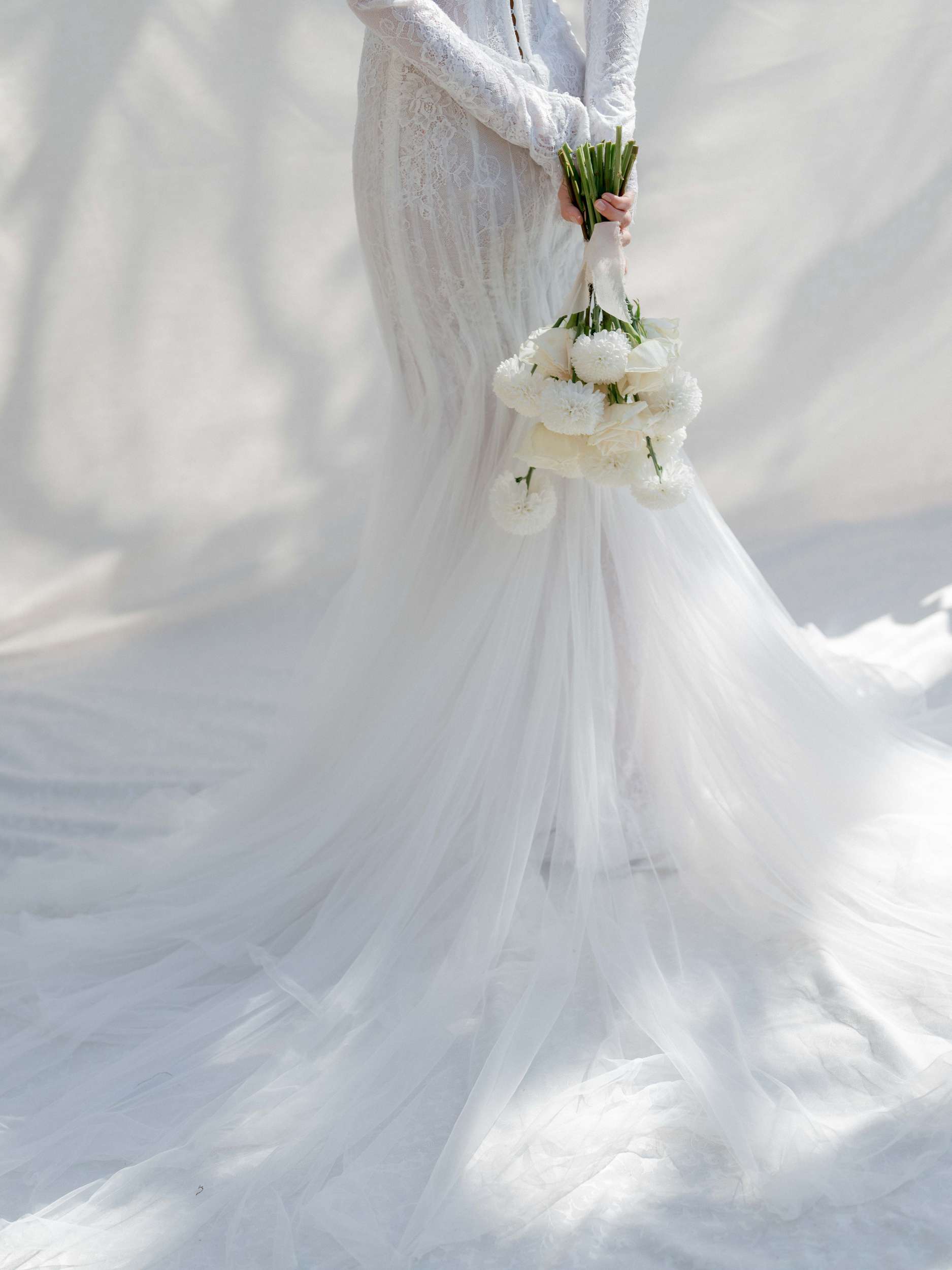
6. Will I still like this in 6 – 9 months’ time?
Trend cycles are moving faster than ever. A dress that feels fresh right now might feel dated surprisingly quickly.
That doesn’t mean you should avoid trends entirely. It just means it’s worth asking yourself whether you genuinely love the dress or whether you’ve absorbed the same TikTok bridal aesthetic as everyone else.
Usually, the dresses people remember most fondly are the ones that felt recognisably like them.
7. Can this dress be customised?
A lot of brides don’t realise how much flexibility exists within bridal fashion. Straps can be added, sleeves removed, linings changed, slits lowered or raised. You can also change the look of a dress so much with gloves, capes, veils and detachable pieces.
If you love most of a dress but keep fixating on one detail, ask whether it can be changed before writing it off completely.
8. What kind of wedding is this dress actually for?
Some dresses belong in candlelit manor houses, some belong in a field with muddy boots and a live band, some are designed to let loose in Vegas at midnight. That’s not to say you have to follow these ‘rules’ but do think about the actual atmosphere of your wedding when choosing your gown. The best wedding outfits feel connected to the person wearing them and the environment around them.
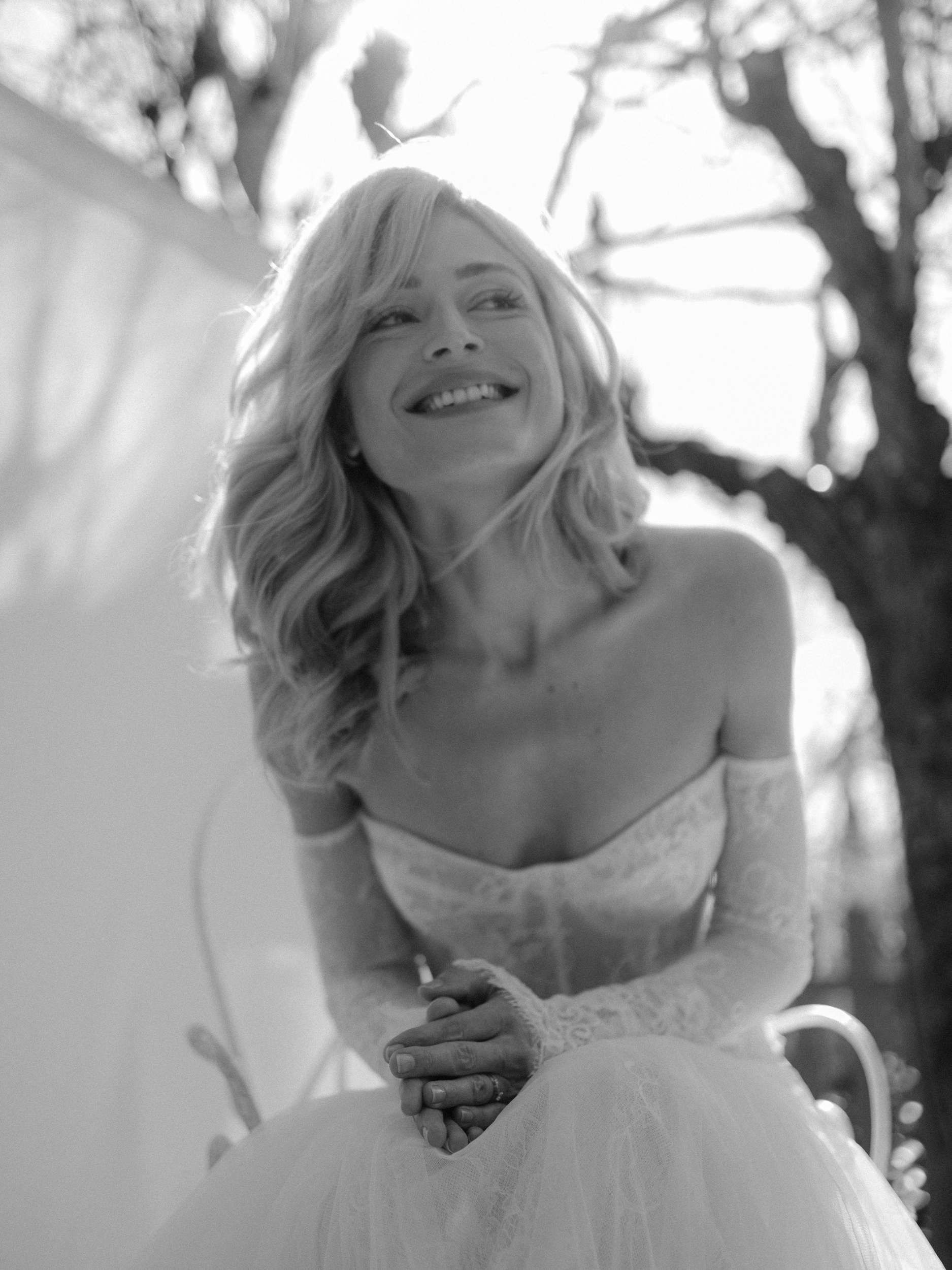
9. Most importantly, ask yourself whether you feel good in it.
Not whether it looks “bridal enough”, not whether your mum likes it, not whether it photographs well from one specific angle, not if it will get likes on social media… You’re the one wearing it all day, you need to feel good in it. That’s the question that matters most.
Suppliers
- Photography: Spring Summer Collective
- Planner: Morgane Anderson Events
- Flowers: Atelier Mimoza
- Venue: Chateau du Prieure