Capitalism has never met a counterculture it couldn’t commercialise; goth was just next in line.
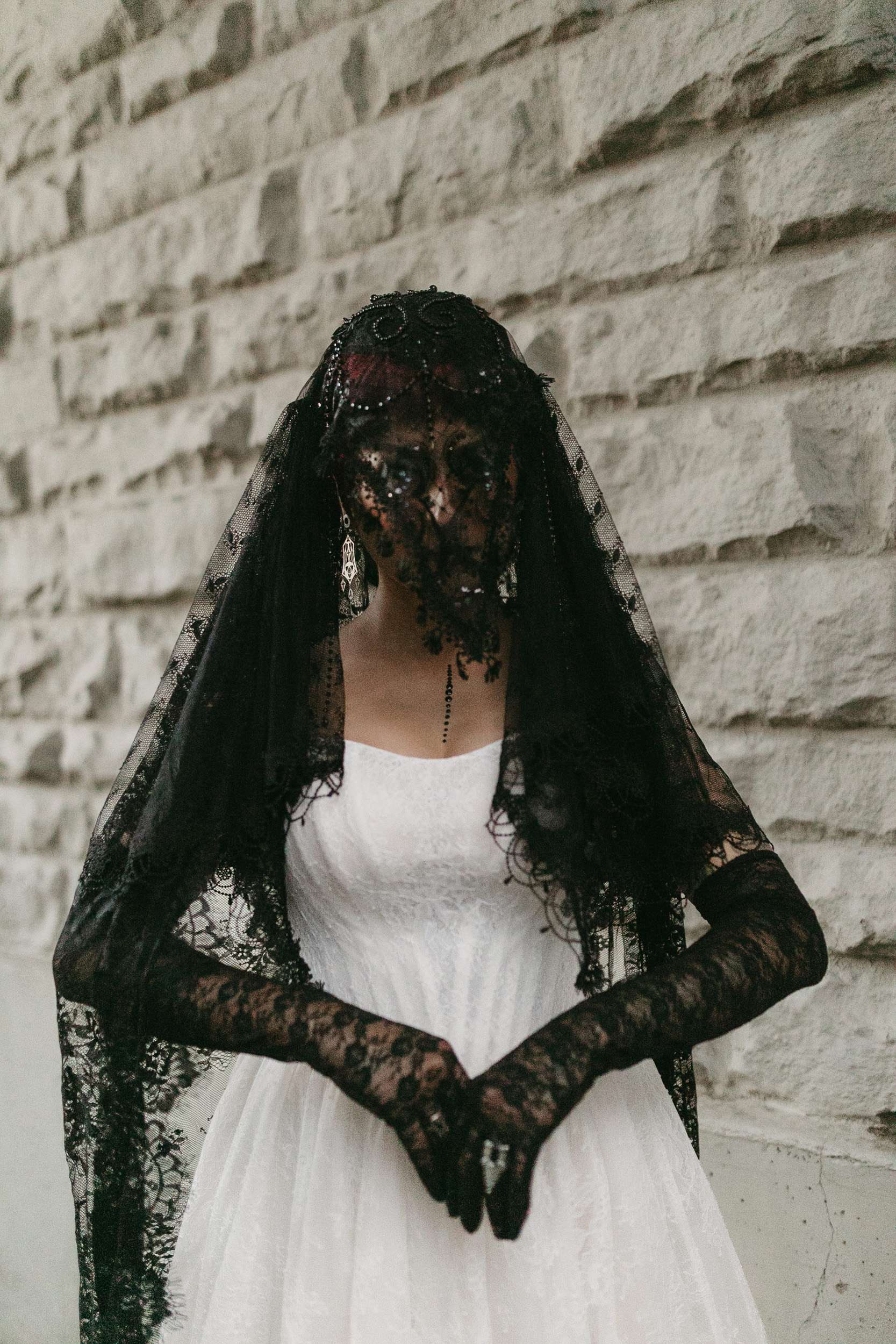
In the pursuit of weddings that feel uniquely personal, many nearlyweds have begun to abandon the conventions of traditional bridal culture. This has caused a spike in the number of goth and alternative weddings in recent years. Yet as goth and alternative weddings have grown in popularity, they’ve become increasingly commodified. What began as a rejection of conformity is becoming a different version of it; it is just black velvet instead of white satin and faux taxidermy instead of eucalyptus garlands. The aesthetics may change, but the script remains the same. The black wedding boom has recently been celebrated as proof that alternative aesthetics have entered the mainstream. In reality, it demonstrates something far less romantic: capitalism’s ability to absorb subcultures, strip away their complexity, and sell them back as trends. As the alternative aesthetic becomes increasingly marketable, the individuality that once defined goth culture is being quietly edited out.
Goth draws inspiration from centuries of art, architecture, and literature, and has existed as a distinct subculture for nearly half a century. It emerged from the UK-based music and fashion scenes of the late 1970s and early 1980s, with roots that stretch back much further. At its core, the goth subculture celebrated individualism, artistic expression, and resistance to mainstream expectations. It pushed back against social conformity, consumer culture, and rigid definitions of beauty. Gothic novels reveled in death, romance, and the darkness that lurks beneath polite society. Gothic architecture embraced grandeur, drama, and a sense of awe. These themes have endured in the goth scene today because they speak to something timeless: an appreciation for beauty found in places others are taught to fear.
This is why the recent flood of mass-produced gothic wedding products feels so hollow. Goth is not a trend born from social media, nor an aesthetic invented by Big Wedding. Goths have been creating art, haunting clubs, and shaping culture from the margins of society for decades. Goth isn’t new, but the willingness of corporations to package and sell it, is. The aesthetics of rebellion that once emerged from artists, outsiders, and tightly knit communities are now fed through the machinery of mass production by fast-fashion giants and are sold back to consumers through marketplaces like Temu, Shein, and Amazon. Even Etsy, the site created for handmade artisans to sell their work, is being overtaken by increasingly dropshipper-filled storefronts.
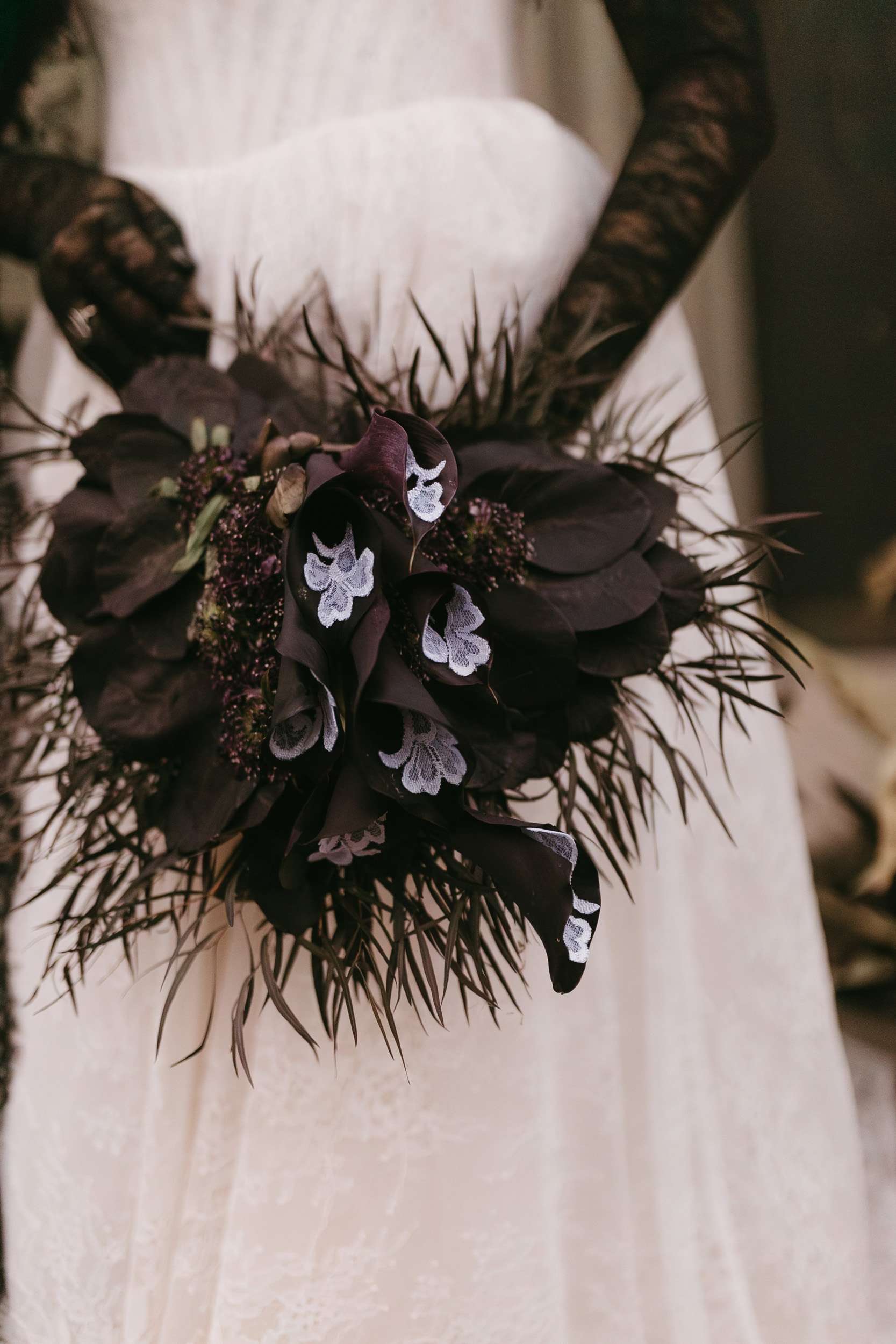
If you search “alternative wedding” online, you’ll be met with an avalanche of identical laser-cut bat cake toppers, plastic raven figurines, and mass-produced “Til Death” décor emblazoned with the same fonts and graphics used thousands of times over. These products signal alternative style in the broadest possible sense, but they rarely reflect the communities, music scenes, artistic and political movements, and personal passions that gave those aesthetics meaning in the first place. The irony is difficult to ignore.
The most compelling alternative weddings borrow from the same principle that has always defined alternative fashion: participation over consumption. If you’re planning your wedding as an alternative nearlywed, don’t ask yourself “What does an alternative wedding need?” ask yourself, “What makes our relationship unique?” The answer might be found in your favourite band, a shared obsession, local art scenes, punk politics, niche hobbies, or even an inside joke understood by only a handful of friends. Incorporate those elements into your wedding because those are the details guests remember long after the day is over, not the mass-produced raven figurines.
Rather than turning to marketplaces built on replication, seek out independent designers and brands that actively participate in alternative fashion cultures. Depending on your aesthetic, that might mean getting a wedding dress from designers such as Bête Noire, Legend Bridal and Ritual Unions or visiting a boutique that specialise in black gowns like Coven & Court, Hannah Black Bridal or Onyx Bridal You could also look into commissioning work from custom corset makers like Rosie Red Corsetry & Couture or Videnoir.
Find sustainably sourced goth shops like Blackwood Castle, Foxblood, or Church of Sanctus and investing in pieces from artisans such as Martha Rotten and Mysticum Luna who create unique gothic jewellery by hand. Vintage shops, antique markets, independent jewellers, and local makers’ markets can provide far more distinctive finds than any mass retailer ever could.
Avoiding a mass-produced aesthetic does not necessarily require a larger budget. It simply requires a little more effort. Buy fewer pieces and invest in quality rather than quantity. Mix contemporary items with vintage finds. Allow objects to feel collected rather than purchased as part of a matching set. Most importantly, resist the urge to build your wedding around a predefined aesthetic label. A truly memorable alternative wedding does not look like every other goth, punk, witchy, dark-romantic, alternative wedding on the internet; it just looks unmistakably like the people getting married.
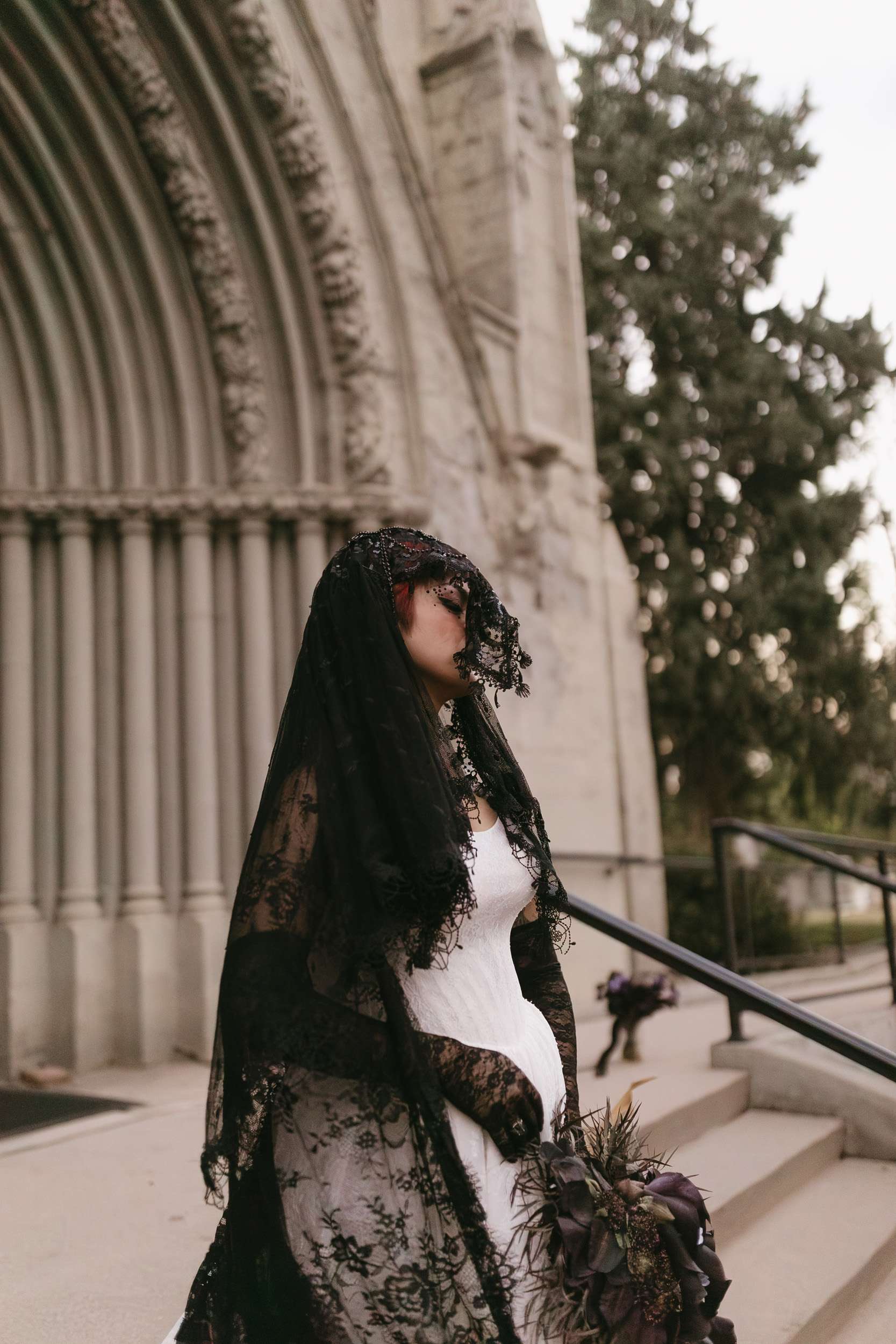
Perhaps nowhere is this more evident than in the expectation that every gothic wedding requires a black wedding dress. The truth is that a gothic or alternative nearlywed does not stop being gothic or alternative the moment they put on white. If you’ve spent years cultivating your personal style, your individuality will not suddenly disappear beneath a white dress. Your shaggy haircut, carefully curated tattoos, piercings, makeup choices, jewellery, and the way you carry yourself communicate far more about who you are than the colour of your gown ever could.
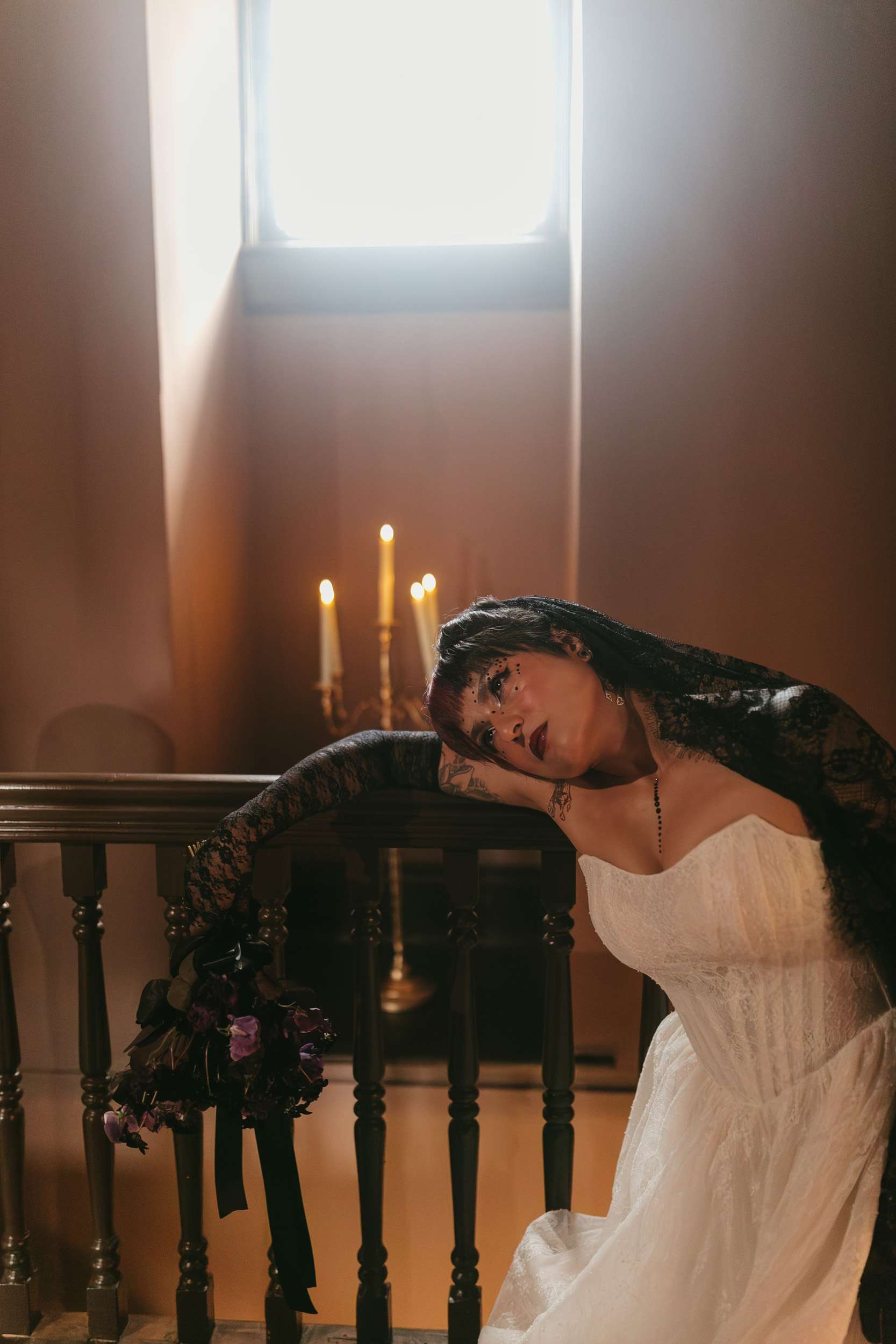
There is something genuinely rebellious about refusing to let an algorithm decide what an alternative bride is supposed to look like. A goth bride in white remains a goth bride. Personal identity is revealed through the way tradition is interpreted, not the peer-pressured abandonment of tradition. The goal of an alternative wedding should not be to perform alternative culture correctly. You should be aiming to create an experience that feels unmistakably your own.
Alternative nearlyweds should absolutely embrace alternative weddings. The problem is not the black dresses, the Victorian details, the candlelit receptions, or the raven motifs themselves. The problem begins when those symbols become substitutes for individuality instead of expressions of it. A wedding cannot become personal simply because it rejects mainstream traditions, especially if it blindly adapts alternative traditions. It becomes personal when it reflects the people at the centre of it.
Capitalism thrives by turning identities into aesthetics and aesthetics into products. Given enough time, every subculture risks becoming a shopping category. Goth is hardly the first community to undergo that transformation, and it will not be the last. If you’re an alternative nearlywed, don’t feel pressured to abandon bridal traditions just because alternative wedding culture expects you to. Choose what genuinely resonates with you. Remember that your alternative wedding is alternative because of the fact that you, the person getting married, are alternative. It has nothing to do with the number of black items you purchased to decorate with or the colour of your wedding dress.
Suppliers
- Photography : Mikaela Antonelli
- Styling: Aja Jewel
- Flowers: Kara Kara Blooms
- Hair & Make-Up: Jessica Hair and Makeup Artistry
- Dresses: Lucky Charm Bridal
- Model: Lina
- Location: Quebec Place at Fairmount, Denver