
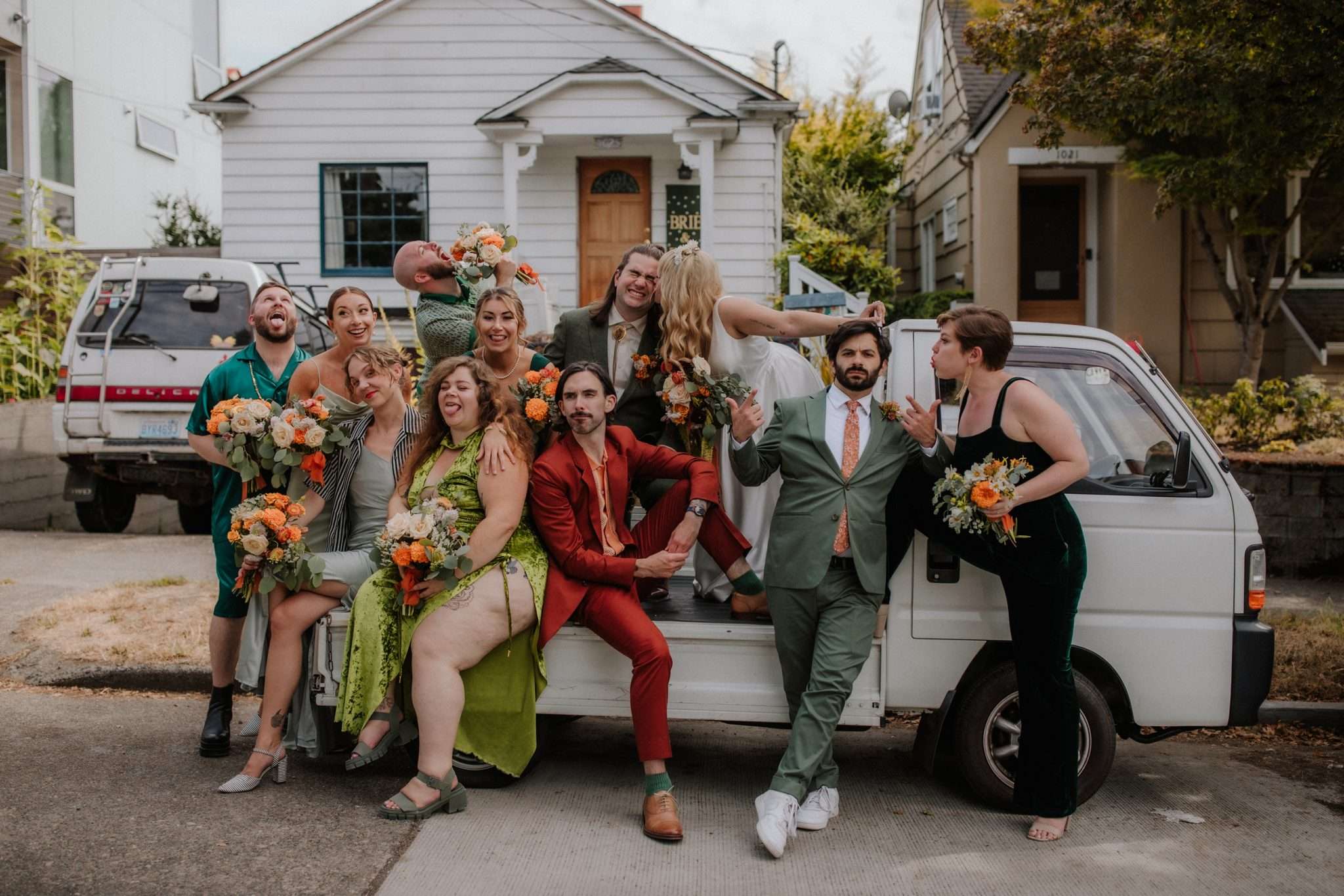
Hosting your wedding at your own home sounds simple enough, and surely it will save you a ton of cash… right? I mean, you already have the location, you know the space, and there’s no need to spend weekends touring venues that all start looking the same after a while. Then someone asks where the catering truck will park, how 85 people are going to go to the one bathroom and what happens if it rains. Oh…
How Much Space Do You Really Have?
An empty backyard might comfortably fit 100 people standing around with drinks, but that doesn’t mean it can fit 100 people seated for dinner, plus a dancefloor, a bar, and enough room for servers to get between the tables.
Before you rent anything, measure the usable parts of the property. Not the whole garden. but the parts people can actually use. A sloping corner of the garden may look beautiful in photographs, but it probably isn’t where you want dinner tables.
You’ll also need to decide where the ceremony will happen. Try setting a few chairs outside to get a sense of the space. It sounds almost too basic, but seeing the actual footprint of the furniture can change your plans pretty quickly. Be sure to also check whether delivery vehicles can reach the setup area. A rental company may charge extra if its crew has to carry everything a long distance.
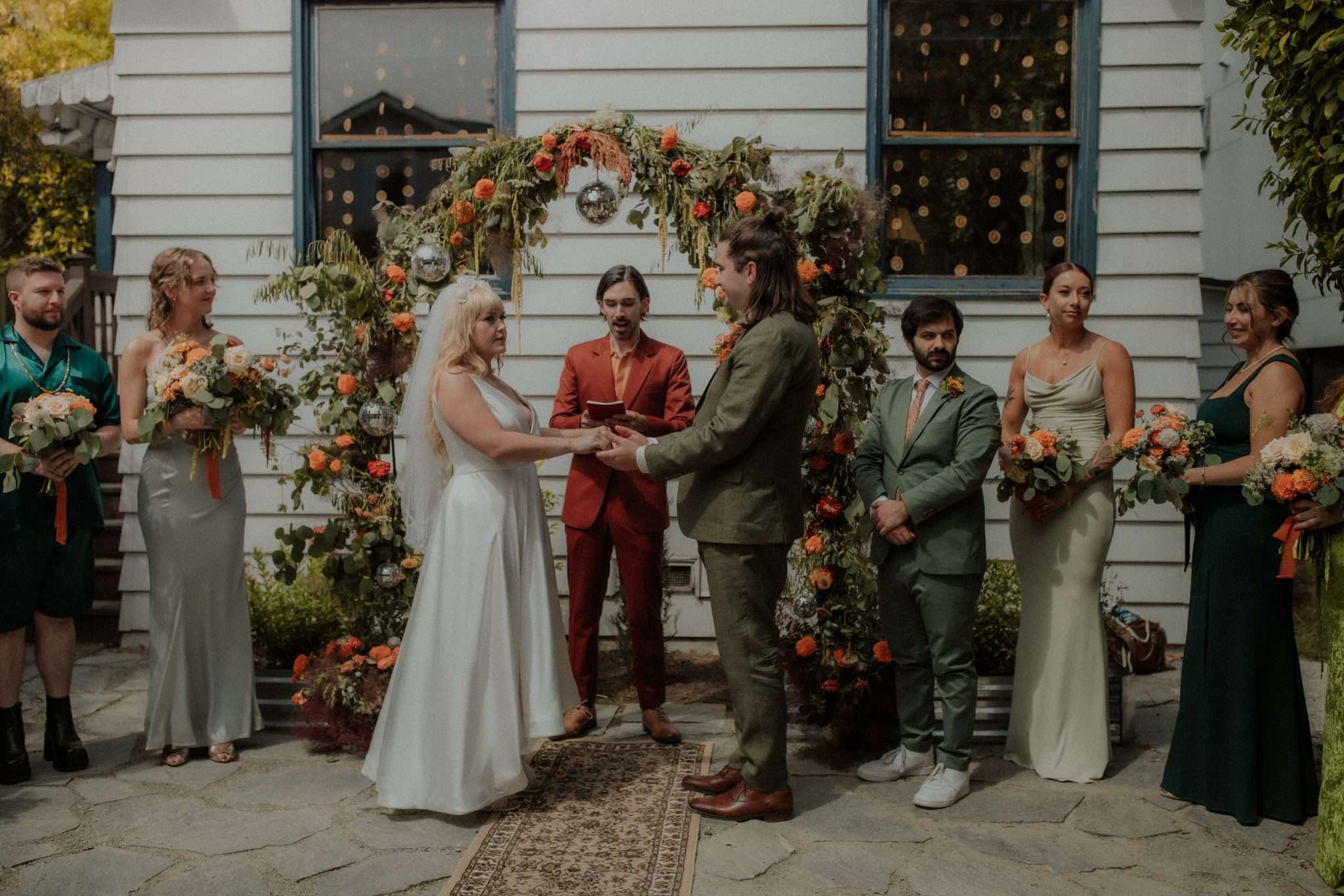
Don’t Assume You’re Automatically Saving Money
Skipping the venue fee feels like a big win. It might be, but you won’t know until you’ve priced the things a venue would normally provide. Tables and chairs, bathrooms, power, lighting, a marquee (plus thee required flooring, sidewalls, lighting, set up!), waste removal… generators are surprisingly expensive to hire!
You may also want to update your home before hosting the wedding. It’s tempting to use the wedding a the motivation to finally repair the patio, level part of the garden or decorate the front room.. For more substantial upgrades you might need to look at financing options such as an online home equity loan. Do you really also want to take that on while planning a wedding!? A useful test is to ask whether you’d still be making these improvement if the wedding were cancelled. If you wouldn’t, think carefully before financing it over several years.
Consider Your Neighbours
A wedding with 25 guests and an acoustic guitarist is one thing, a reception with 120 people, amplified music, and a large tent is quite another. Check with your local authority about noise limits, permits, parking restrictions, temporary structures, and alcohol service. Don’t just rely on what a neighbour did for a party a few years ago. The rules, and the circumstances may not be the same. It’s also worth calling your insurance company. Your homeowners policy may have limitations when it comes to large events.
And while you’re at it, give nearby neighbours a heads-up. Tell them when guests are expected to arrive and when the music will end. You don’t need everyone’s approval for every detail, but a little consideration can prevent a lot of irritation.
The Bathroom Situation
Nobody wants to talk about portable toilets while planning a wedding, but not doing so can cause a lot of headaches! You need a realistic bathroom plan. Restroom trailers can solve the problem but you’ll need enough space to put them, and they can be pretty expensive.
Parking
Picture everyone arriving in the same 30 minute window… Even if your property has a generous driveway, where will all those vehicles go? Guests may arrive in separate cars. Some will need closer access. Vendors will already have vehicles on-site.
If parking is tight, you might arrange to use a nearby lot, with permission, and provide a shuttle. For smaller events, clearly marked parking areas and someone directing arrivals may be enough. Whatever you decide, keep neighbouring driveways and emergency routes clear. You don’t want the first memory of your wedding to be a traffic jam outside your house.
A Rainy Day Plan
You can watch the forecast every day for two weeks and still get surprised, especially in the UK! Rain is the obvious concern, but wind and heat can cause just as much drama! A tent may provide shelter from ordinary rain, but it isn’t automatically safe in severe weather. Ask the rental company about its wind limits, anchoring requirements, and procedures for unsafe conditions. Also, think about what happens underfoot. Grass that feels firm on Friday morning might be muddy by Saturday afternoon after everyone’s been walking all over it.
Your Kitchen Probably Won’t Be Enough
Even if you love cooking and have a large kitchen, catering a wedding is a very different operation. Food needs to be stored at safe temperatures, staff need room to prepare and serve it, equipment needs power, and deliveries need somewhere to go. Ask caterers before booking how much space they need. Some of them will bring their own food truck, pop up tent and generator, which is brilliant, so long as you have the space for it.
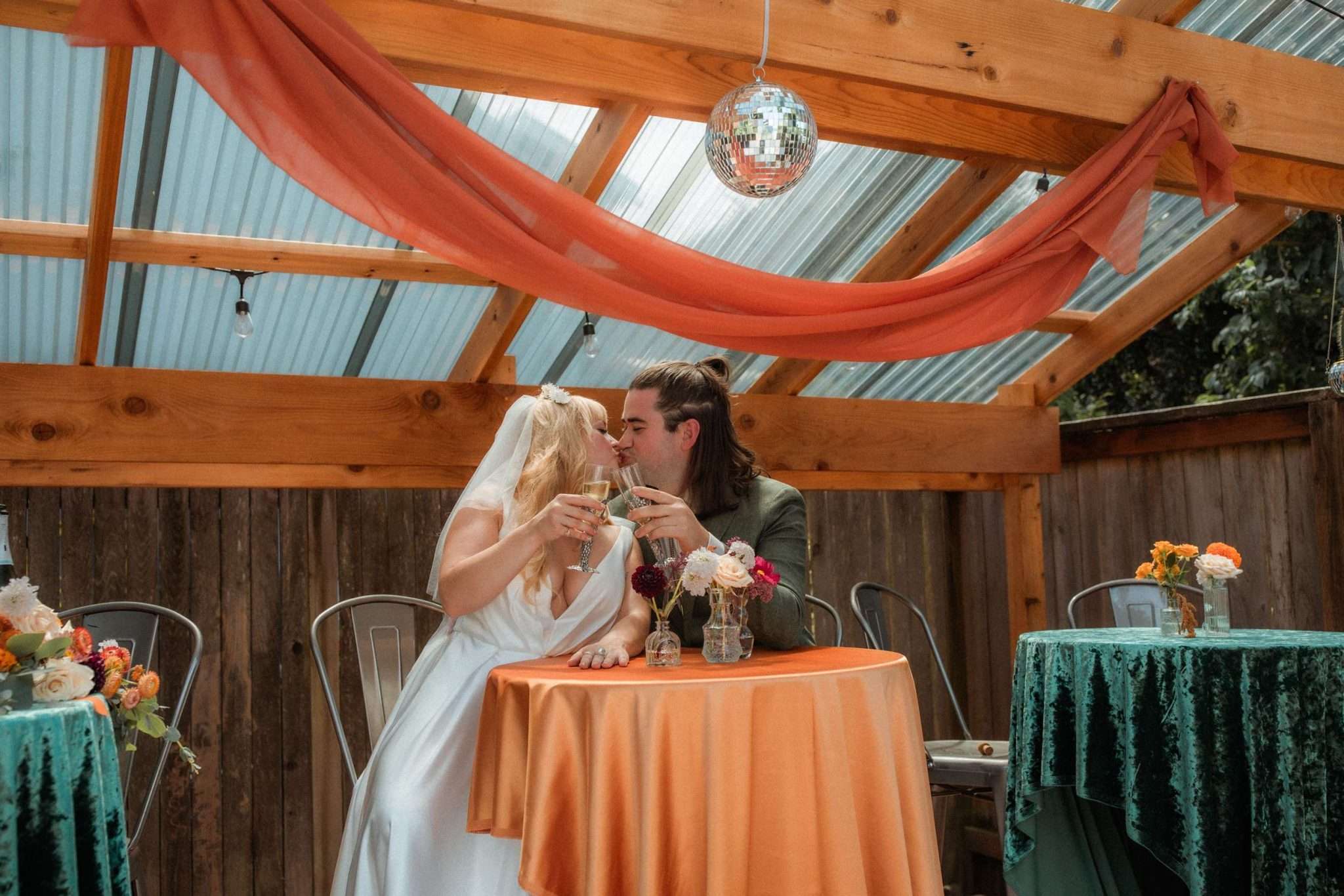
Choose Vendors Who Are Comfortable Working at Homes
A caterer who’s excellent at a hotel wedding may still be excellent at one at a private home, but the working conditions will be different. Ask suppliers whether they’ve worked at private residences before and if there’s anything specific they need.
Clean Up
After the wedding, your home will still be full of trash and all the wedding things. Someone has to deal with all of it. Do you want that someone to be you? Ask rental companies when they’ll collect equipment and what condition it needs to be in.
Arrange waste collection if your normal household service won’t be enough. You’ll also want someone responsible for leftover food, personal items, and any rented decorations. If you can, avoid booking every collection for early the next morning. You’ll probably be tired and/ or hungover and having a quiet breakfast before the work starts is a much nicer way to begin married life.
Suppliers
- Photography: Megan Gallagher Photo