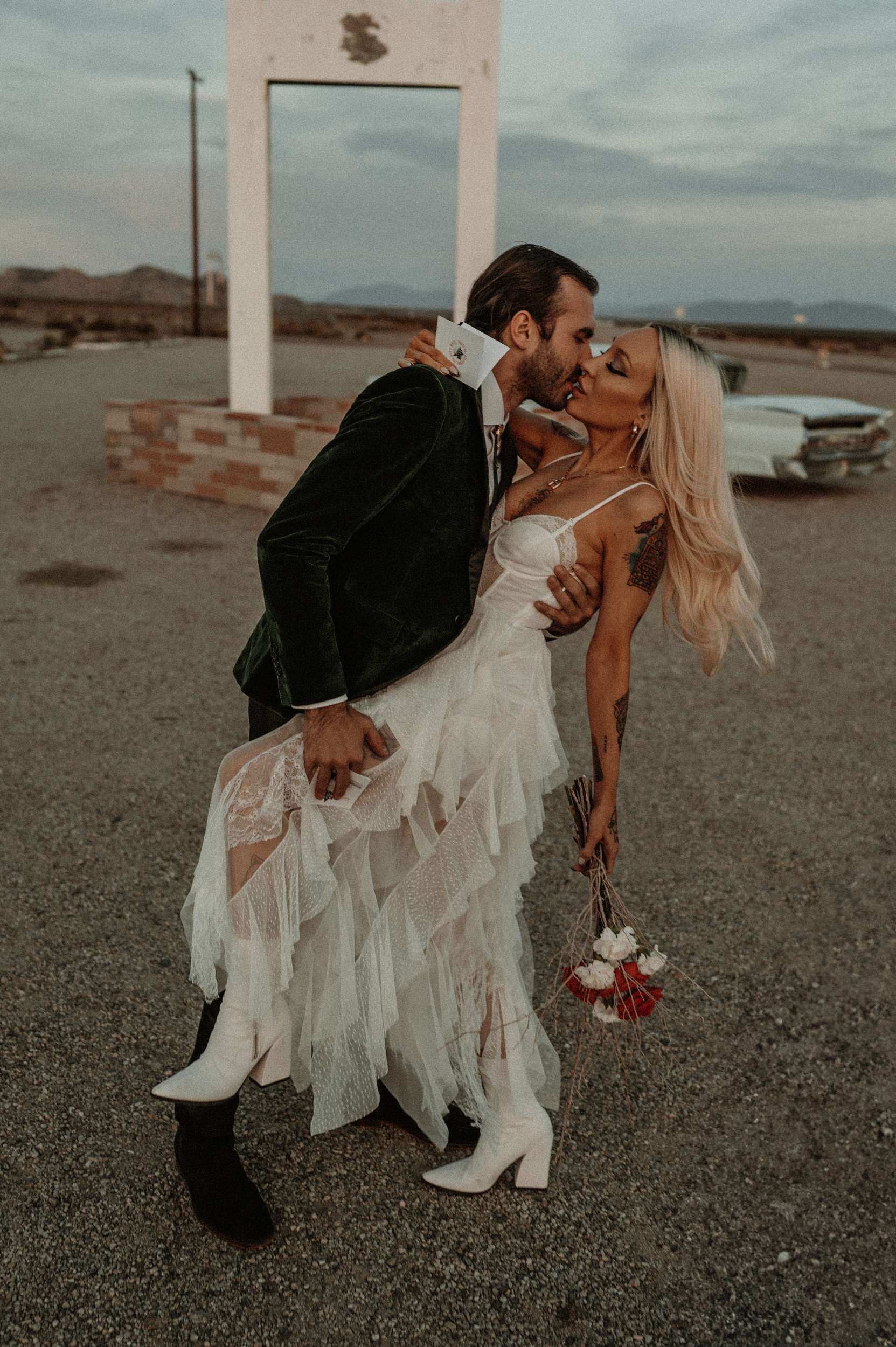
Buying a wedding dress online has some obvious advantages. You can shop at midnight, avoid fitting-room spotlights and browse designs from independent labels around the world without travelling further than your sofa. It can also be a lot cheaper and opens up far more possibilities than the average bridal boutique, particularly if you want a black dress, a corset and skirt, a short hemline or something more unique.
Then there is the risky bit. You are handing over a potentially sizeable amount of money for one of the most discussed outfits you will ever wear, based on photographs and a size chart alone. The dress could arrive late, fit strangely or bear only a passing resemblance to the one you ordered.
Plenty of people buy their wedding outfits online and have a great experience. A little investigation before entering your card details can help you join them. Here is what to check first.
The Photographs Look Suspiciously Familiar
Reverse image search is your friend. Save a product photograph or take a screenshot, then run it through Google image reverse search. If the same image appears across several unrelated websites at wildly different prices, the seller may have taken it from the original designer and plans to just remake you a copy.
Pay attention to consistency too. Do all the product photographs share a recognisable visual style, location or model? A catalogue assembled from ten different bridal campaigns can be a bit of a red flag.
And if the images look like AI generated, run a mile. They are becoming harder to spot, but watch for inconsistent embroidery, strange hands, warped backgrounds, changing dress details and fabric that looks more like liquid than fabric. The “models” tend to have the same ‘dead behind the eyes’ look too. Even a convincing AI image tells you nothing about the garment being sold because the pictured dress may never have existed.
Social media can help confirm that a business and its dresses exist. Look for tagged customers, behind-the-scenes content, videos and images showing garments from multiple angles. A grid filled entirely with polished campaign photographs tells you much less than a real bride dancing in the actual dress.
The Product Description Tells You Almost Nothing
“Beautiful luxury bridal gown” is not a product description. You need details.
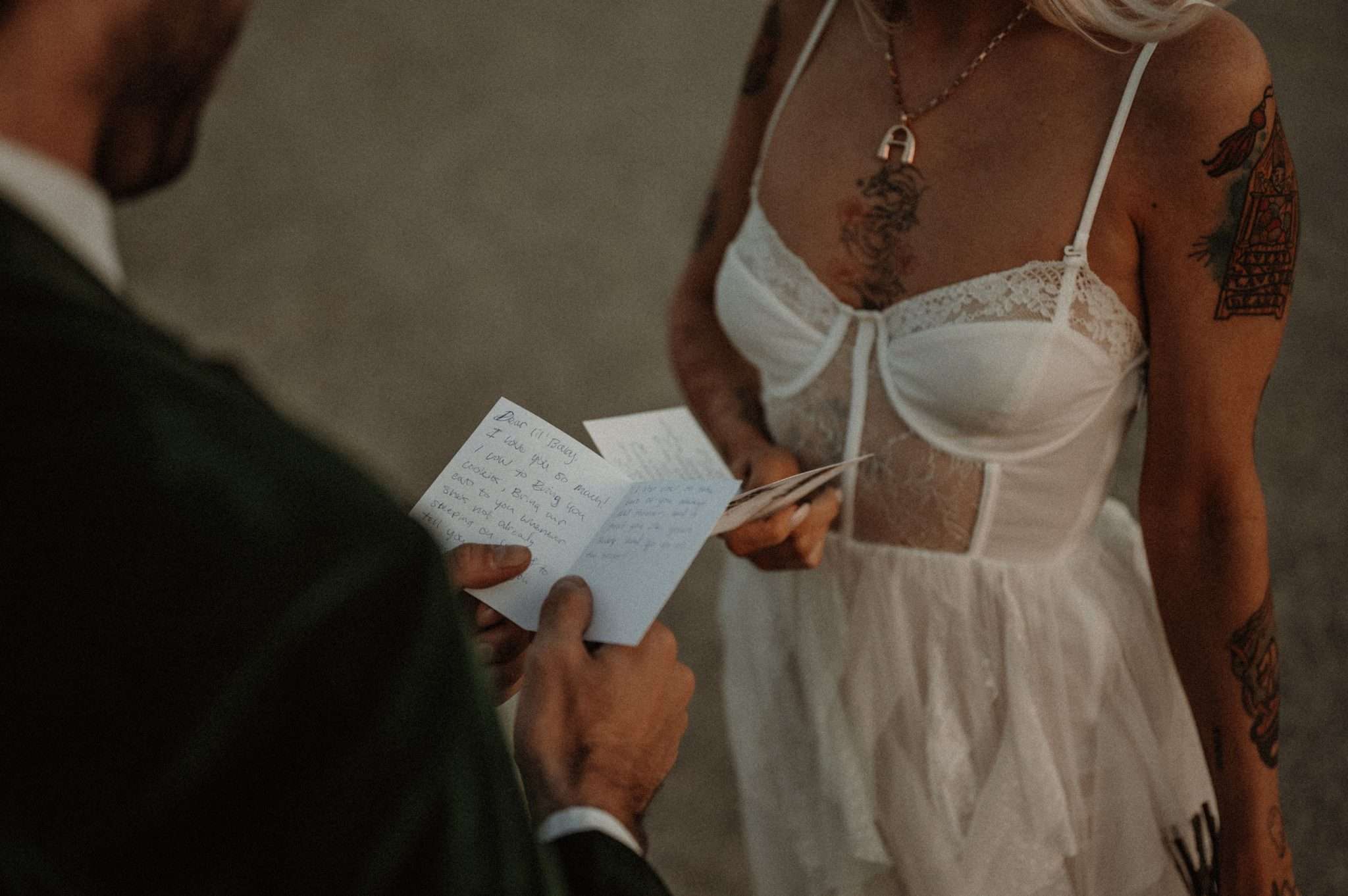
The listing should identify the fabric, lining, fastening, structure and any built-in support. Check whether embellishments are embroidered, sewn, glued or printed. If the dress has a corset, find out whether it contains boning and whether the back uses lacing, a zip or both. For anything sheer, ask which areas are lined. Detailed listings also help you compare different designs and understand what your money is buying.
Caribis, for example, have the descriptions which specify all these details as well as care information and a clear returns policy. This is the kind of information you need when you cannot pick up the garment, inspect its construction or try it on before ordering.
Don’t be afraid to send the retailer your questions before ordering. How (and if) they respond can tell you almost as much as the answer itself.
There Is No Proper Size Chart
Ignore the number printed on the label because wedding dress sizing varies between brands, countries and designers, and it often bears little relation to the size you buy on the high street.
A useful size chart includes actual body measurements for the bust, waist and hips. Some garments may also require your height, hollow-to-hem measurement, shoulder width or torso length.
Measure yourself in the underwear you plan to wear with the outfit and ask somebody to help if possible. Keep the tape flat and comfortably close to your body. Pulling it tighter will only result in a smaller dress, not a smaller body.
If your measurements sit across several sizes, ask the retailer which measurement is most important for that particular design. A structured corset top may need to fit differently from a loose satin skirt. Never choose a size based on the model’s appearance or a plan to change your body before the wedding.
The Returns Policy Is Missing or Vague
Find the returns policy before buying, save a copy and read every word. Check how many days you have to report a problem or send the dress back. Find out whether the return period begins when you place the order, when it is dispatched or when it arrives.
Made-to-measure, customised, altered and sale items may have different terms. A retailer could accept returns on standard-size dresses while excluding anything produced to personal measurements. That distinction matters when choosing between the two.
You should also know who pays for return postage, which country the parcel must go to and whether a restocking fee applies. Insured international shipping can be expensive, especially for a large or heavily embellished dress.
Nobody Can Tell You When It Will Arrive
“Ships in six weeks” and “arrives in six weeks” mean different things. Production time, dispatch time and delivery time all need to be included in your calculations.
Ask for a realistic estimated arrival date and leave lots of room for delays. You may also need time for alterations. Ordering a dress two weeks before the wedding because the delivery estimate says seven to ten working days is an extreme sport best avoided!
Overseas orders can attract import VAT, customs charges and handling fees. Check whether these are included at checkout or collected separately when the parcel enters the country.
The Price Makes No Sense
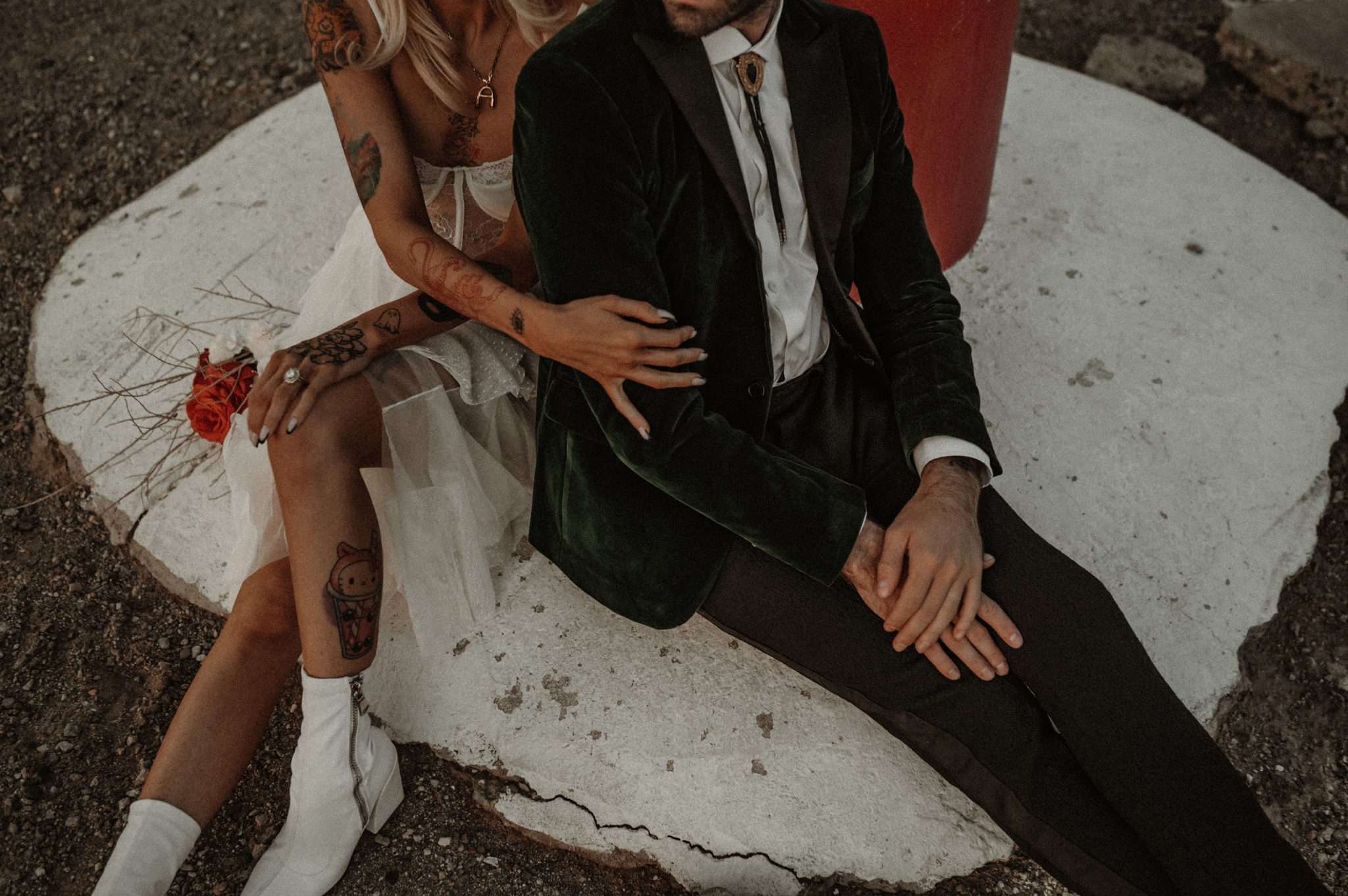
An inexpensive wedding dress can be excellent. Just because a dress is only £90 does not automatically mean you have to be suspicious. BUT if a dress is handmade and using high-quality materials it should cost significantly more than that. Be cautious when a site claims to sell a heavily beaded, made-to-measure couture gown for a bargain price.
Watch the discount clock too. A “final sale” ending every six hours is designed to rush you past the research stage. Your wedding outfit will survive being left in the basket overnight while you check the details.
The Reviews All Sound the Same
Read reviews away from the retailer’s website as well as the testimonials it publishes. Search the company name alongside terms such as “review”, “return”, “delivery” and “scam”. Look at the dates and read the mid-range reviews, which often contain more useful detail than either extreme.
Real reviews may mention sizing, fabric, communication, alterations and delivery times. Photographs are particularly valuable, although you should remember that one person’s fit experience cannot always predict yours.
No company will please every customer, but a pattern of unresolved complaints is a massive red flag, Also pay attention to if and how the retailer responds when something has gone wrong.
The Payment Method Offers No Protection
Always use a secure payment method with buyer protection. Avoid bank transfers, cryptocurrency, gift cards or any payment route that leaves you with no practical way to dispute the charge. A credit card or PayPal is usually the safest for getting your money back if something goes wrong.
Check that the website uses HTTPS and provides a business name, email and/ or phone number and clear consumer policies.
Keep screenshots of the listing, size chart, confirmation email, promised delivery date and your messages with the retailer. If the dress arrives damaged or significantly different from its description, photograph it immediately and contact the seller in writing.
When the Dress Arrives
Open the parcel as soon as it appears, even if the wedding is months away. Check the colour, fabric, size, seams, fastenings and embellishments while you are still within the returns window.
Try it on with the underwear, shoes and accessories you expect to wear. Move around, sit down, raise your arms and test any lacing or detachable pieces. A dress can look perfect while you stand still but might be uncomfortable the moment you sit down to eat dinner.
Most wedding dresses will need alternations of some kind so allow room in your budget and timeline for adjustments, but ask a professional before assuming that every fit issue can be fixed.
Online dress shopping gives you access to a much wider and weirder wardrobe. Take your time, ask blunt questions and trust the evidence in front of you. The right seller will understand why you want details before ordering.
Suppliers
- Photography: Natalescha