
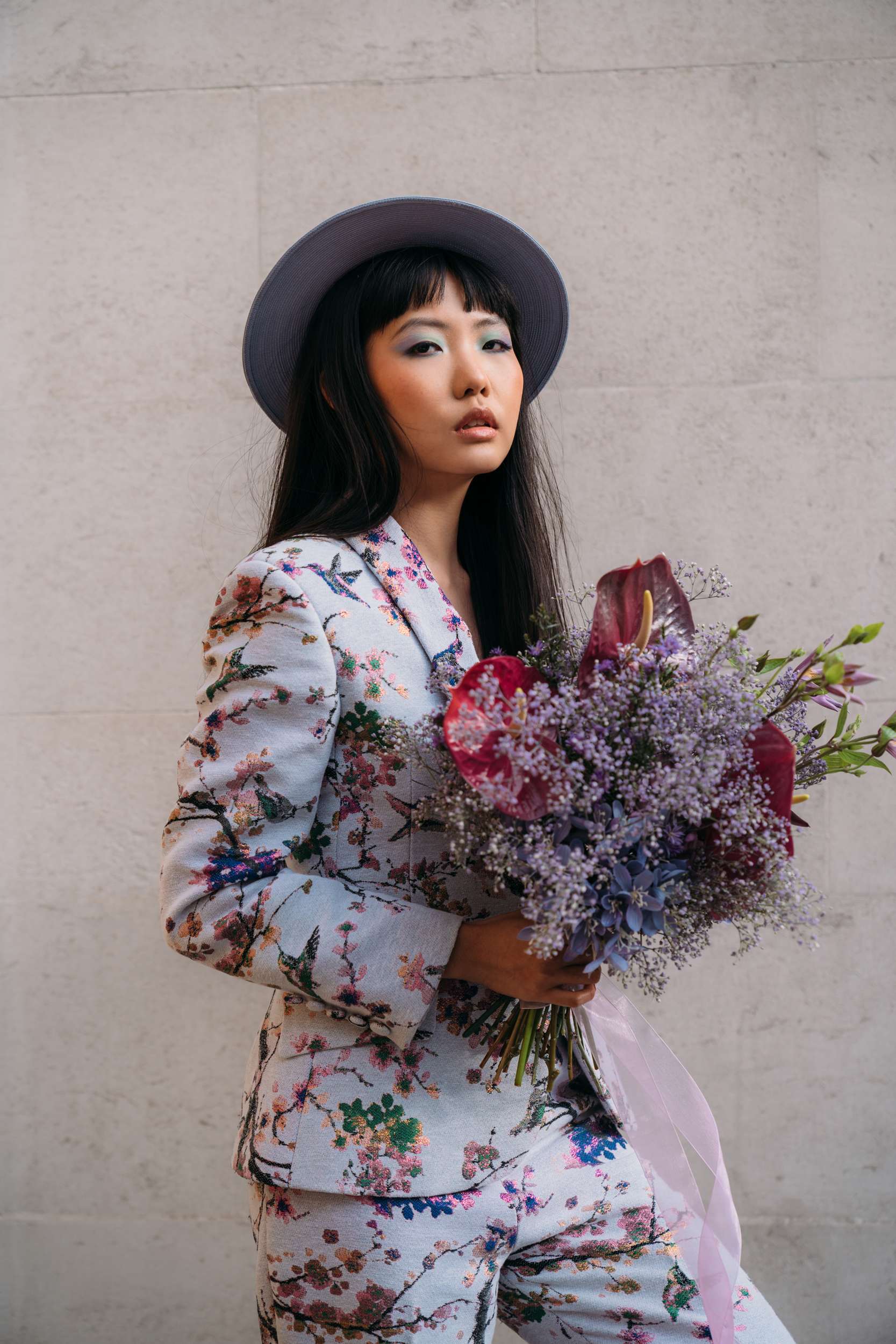
Your wedding bouquet has been carried down the aisle, passed between lots of diffident people, photographed from every possible angle and possibly abandoned beside the dance floor while you went feral to MCR.
there are some beautiful ways to preserve them though, you just have to make the arrangements before the wedding because cut flowers start deteriorating fast. Do not leave the decision and research until after the wedding or you’ll have much fewer options. if any at all.
The Different Preservation Methods
Each preservation method produces a different result. Some retain the shape of the flowers, while others work better for keeping the colour, texture or creating a particular type of display.
When comparing the best flower preservation methods, consider what you want the finished piece to look like, where it will live and how much you want to spend.
Pressing flattens the flowers and works well for framed artwork, cards and other paper-based keepsakes. Air-drying is accessible and inexpensive, although the flowers will usually darken and lose some of their original shape. Silica gel can retain more of their structure, making it a popular option for three-dimensional displays. Resin turns individual blooms into solid decorative objects, while freeze-drying can preserve much of the bouquet’s original form but tends to cost more.
There is no universally superior option. The right method depends on the flowers in your bouquet and what you want to do with them afterwards.
Work Backwards From the Finished Piece
Get clear on the end result before booking a preservation service. Do you want framed flowers on your wall, a shadow box filled with wedding keepsakes, a resin ornament or pressed petals that can be used in cards and artwork?
Your answer will determine which preservation method makes sense. A pressed arrangement creates something graphic and delicate. Resin produces a solid, sculptural object. A shadow box can retain more of the bouquet’s original structure and may also include ribbon, a buttonhole, stationery or a copy of your vows.
Think about your home rather than choosing something because it looks good on Instagram. A giant floral block may look impressive online, but it still needs somewhere to live. Choose a format that suits your space and your actual taste.

Make a Plan Before the Wedding
Flowers begin changing as soon as they are cut. By the end of your wedding day, your bouquet may have been exposed to heat, direct sunlight, rain, travel, enthusiastic hugs and several hours without water.
Ask your preservation artist how quickly they need to receive it and plan accordingly. Some services require bouquets to arrive within a few days, particularly when colour and shape retention are priorities.
Nominate someone to take responsibility for the flowers at the end of the night. Ask them to place the stems in fresh water, keep the bouquet somewhere cool and make sure it leaves the venue with the right person. A hotel windowsill, hot car or damp heap beside your shoes will do it no favours.
If the bouquet needs to be posted, arrange the packaging and delivery instructions in advance. The morning after your wedding is a terrible time to begin hunting for a suitable box and wondering whether ranunculus count as fragile goods!
Know Which Flowers You Are Working With
The flowers in your bouquet will affect the final result more than most people expect. Roses, orchids, peonies, ranunculus and eucalyptus all respond differently to drying, pressing, resin and freeze-drying.
Some blooms keep their structure but change colour. White flowers may develop cream or yellow tones, while deep reds can become much darker. Delicate petals are often suited to pressing, and thicker flowers may retain more dimension when dried with silica gel or professionally freeze-dried.
Ask your florist for a list of the flowers and foliage used in your bouquet. Send it to the preservation artist before booking so they can advise you on likely results. They should also explain which elements may need to be left out or substituted if they become damaged.
Preserved flowers remain natural materials. Colour changes, small marks and variations are part of the process. Anyone promising that every petal will remain identical to how it looked on your wedding day is making a claim that nature may have other ideas about.
Be Realistic
Pressing a few flowers at home can be straightforward. Taking apart your entire wedding bouquet and successfully preserving every component is a bigger undertaking.
For pressing, you will need absorbent paper, even pressure and plenty of patience. Silica gel can retain more shape, but the flowers must be covered and removed carefully. Air-drying requires little equipment, although it usually creates a looser, darker and more rustic result.
Practise with similar flowers before the wedding if you want to do it yourself. This gives you a chance to test the method, see how the colours change and discover whether you enjoy the process. Your wedding bouquet is a fairly unforgiving first attempt.
Professional preservation costs more because you are paying for specialist equipment, experience and the design of the finished piece. DIY can be the right choice if you enjoy making things and are comfortable with an imperfect result. A professional service makes more sense if you want a polished piece and would be heartbroken if the experiment went wrong.
Display it Somewhere You Will Enjoy it
Once your bouquet has been preserved, give it a proper place in your home. Framed pressed flowers can sit alongside artwork and photographs. Resin pieces work on shelves, desks and side tables. A shadow box can combine flowers with stationery, ribbon, jewellery or other pieces from the wedding.
Keep preserved flowers away from direct sunlight, high humidity and large temperature changes. Sunlight can fade the colours, while damp conditions may damage both the flowers and their container. The bathroom is rarely the place for your expensive floral relic, however good it looks beside the pink tiles.
Your bouquet was always temporary. Preservation captures part of it in a new form, complete with any changes that happen along the way. Display it, enjoy it and let it remind you of the day it survived before earning a quieter life on your wall.
Suppliers
- Photography: Joanna Bongard