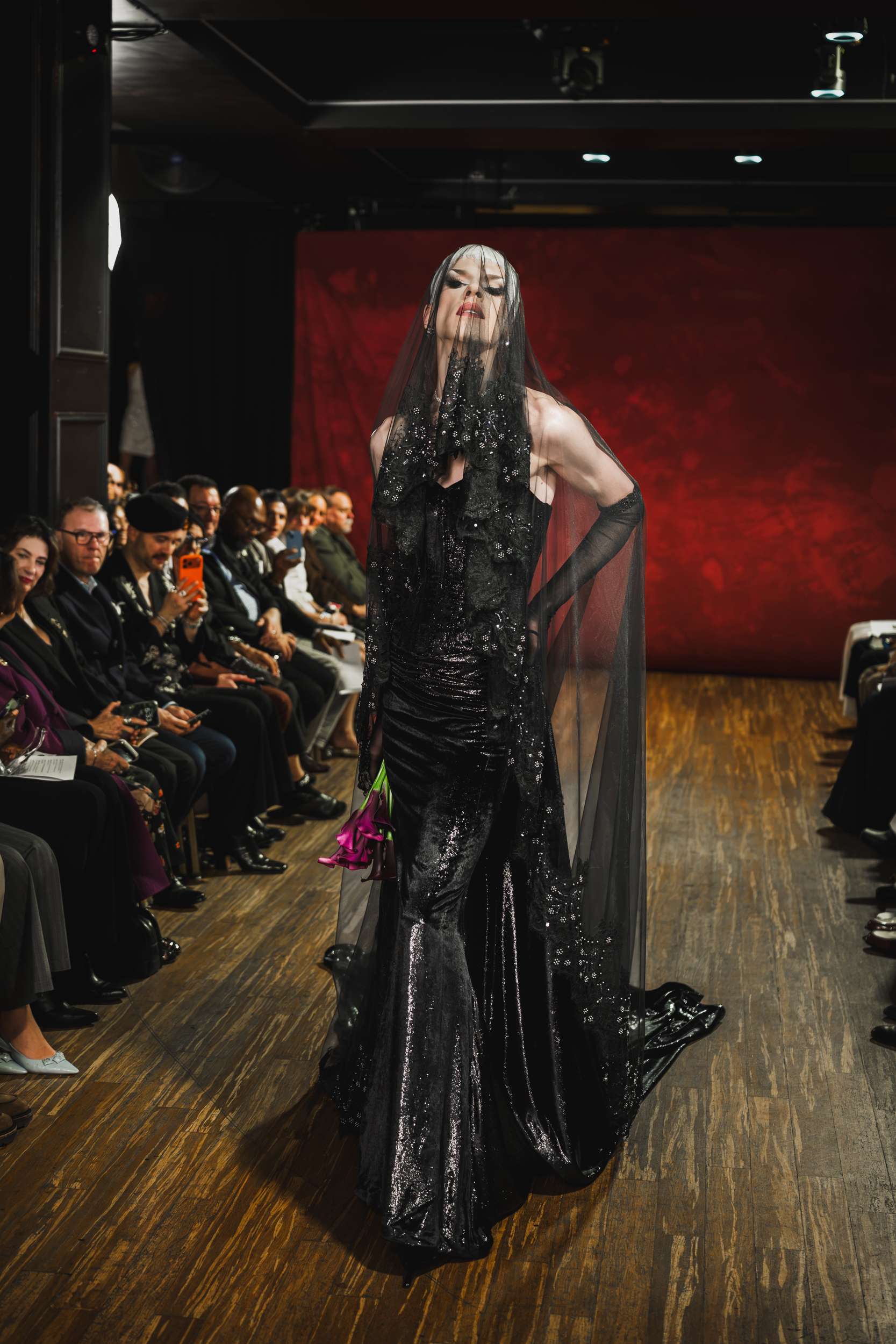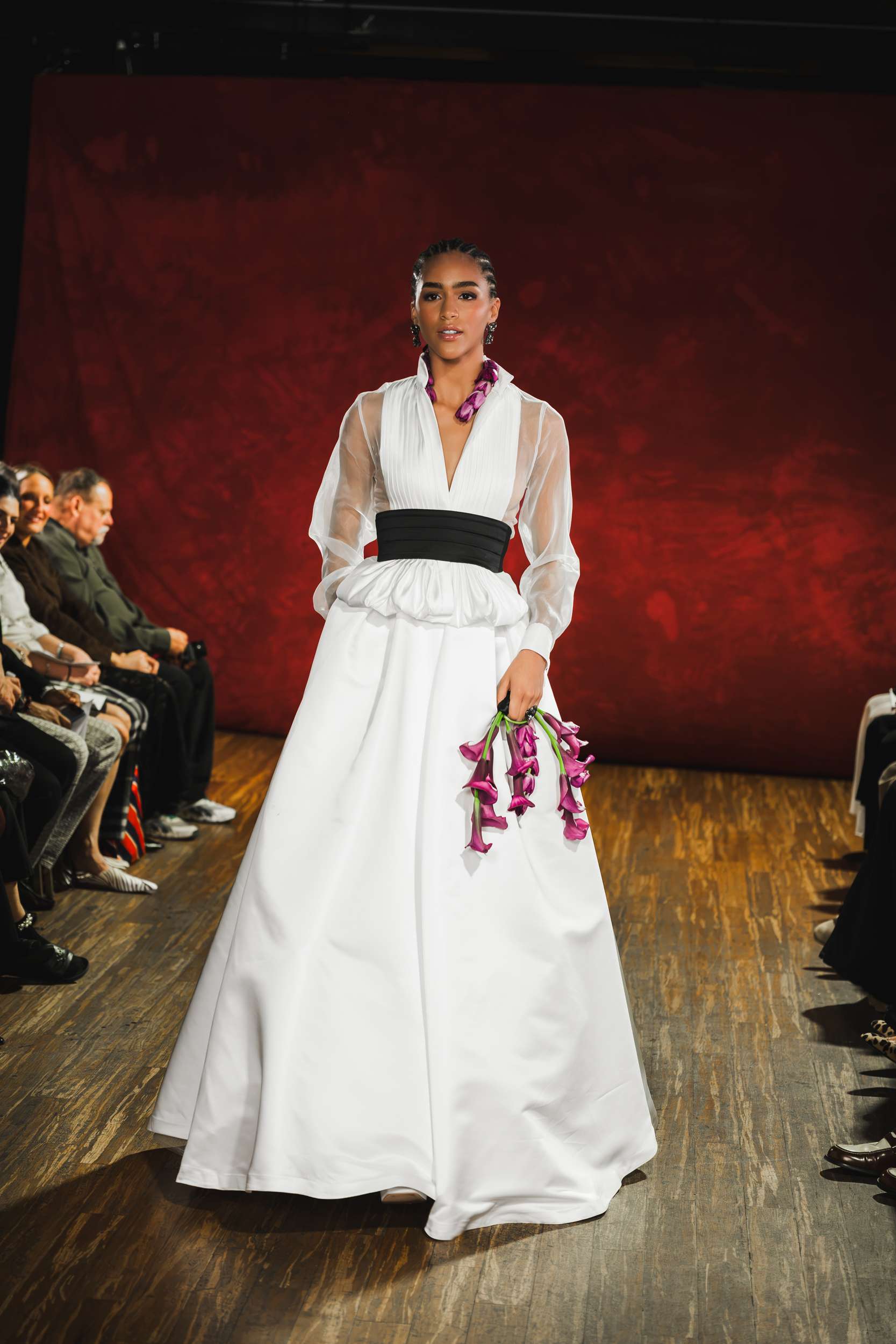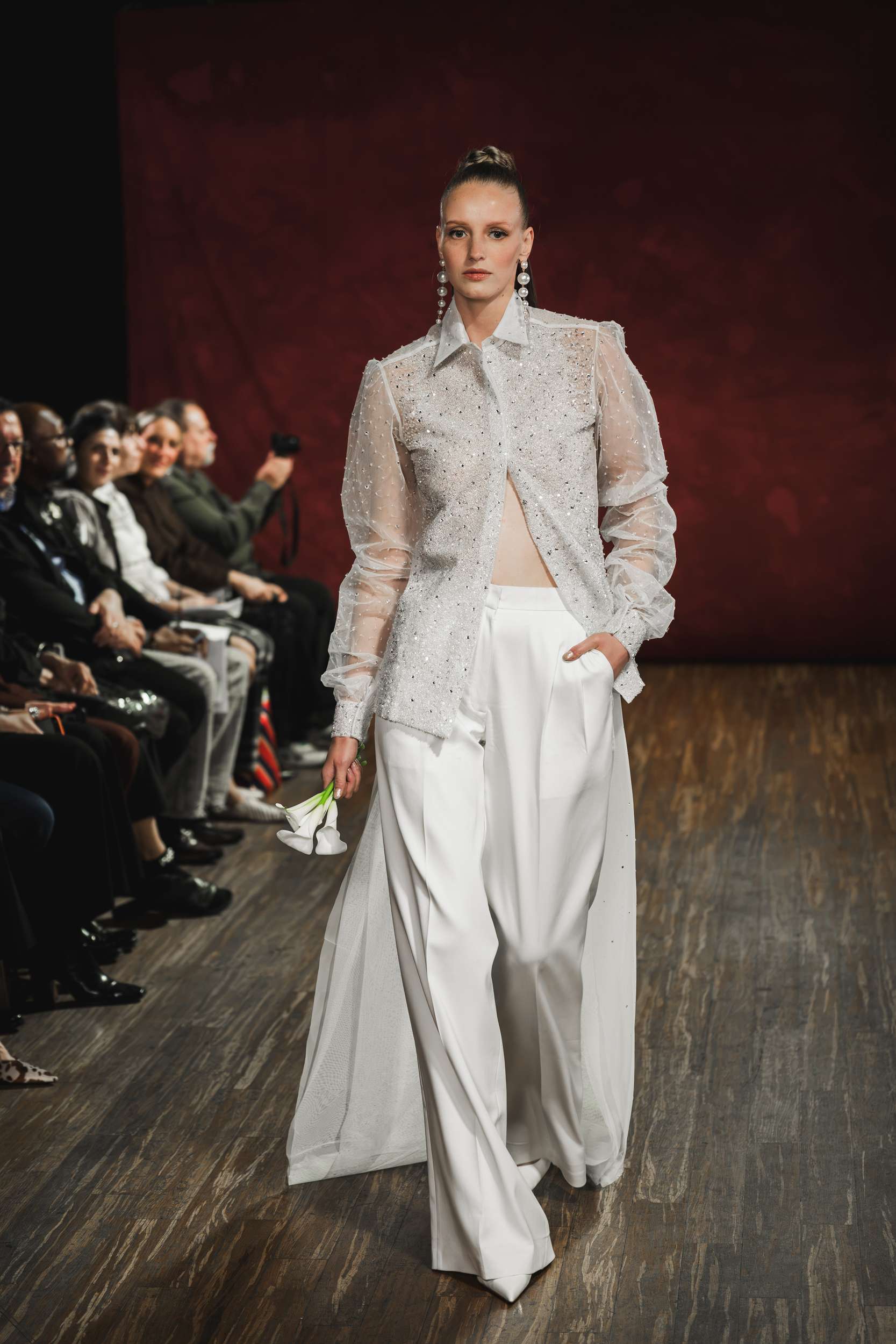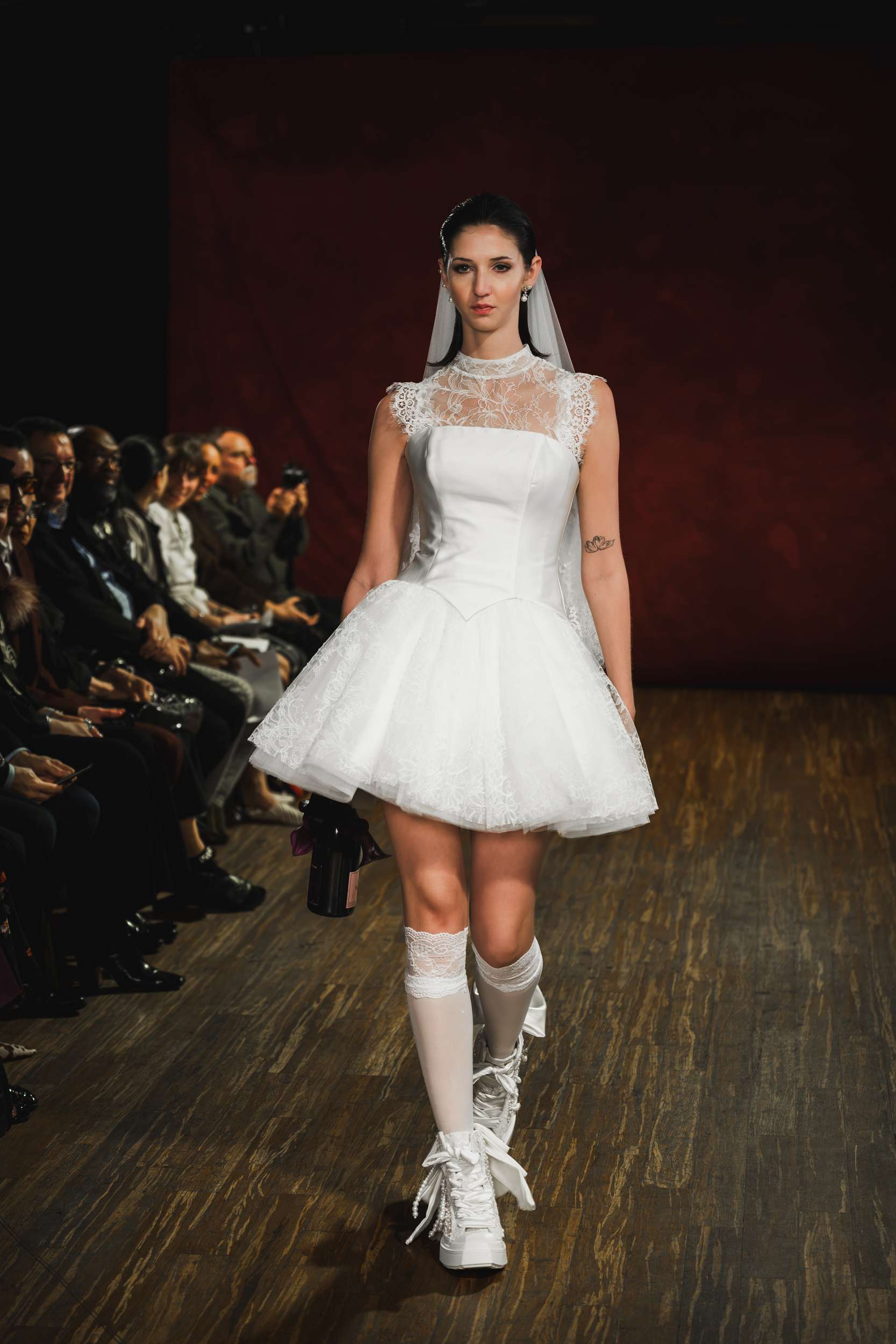
Bi Pham may not have won Project Runway, but his debut collection just won NYBFW.
New York Bridal Fashion Week (NYBFW) is supposed to be a glimpse into the future of bridal fashion. Yet this “future” so often looks pretty darn similar to the past. That wasn’t the case with Bi Pham’s debut bridal collection.
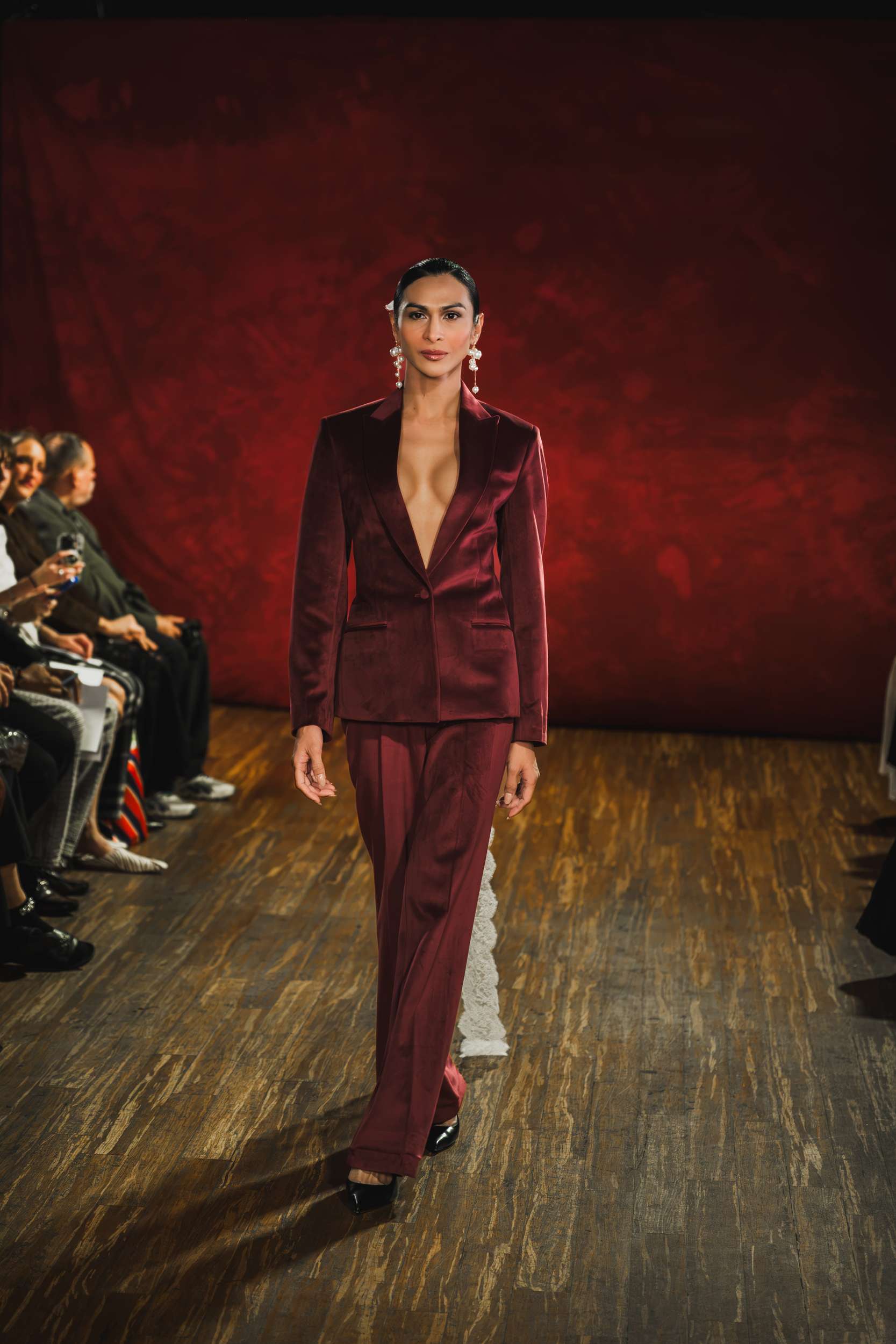
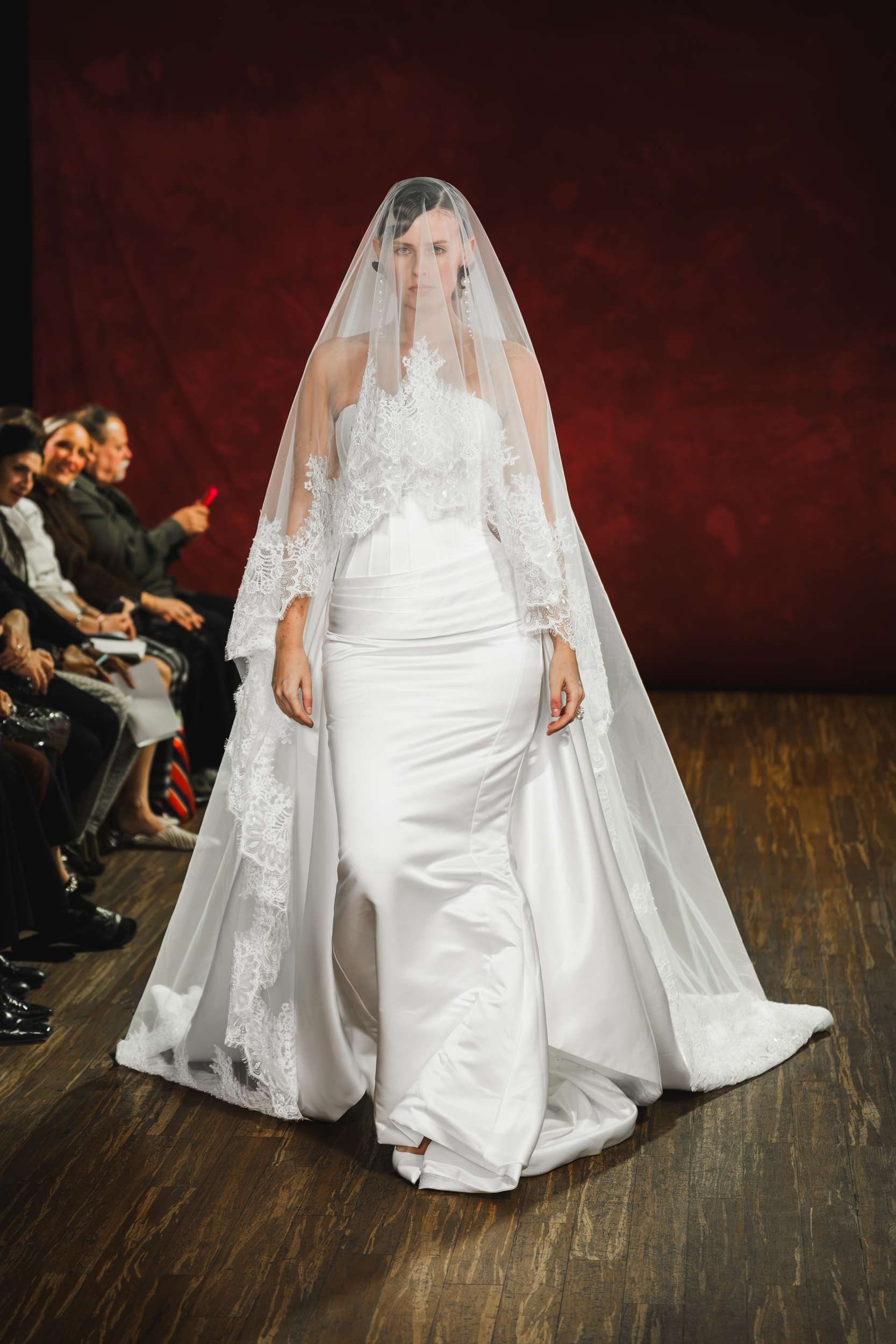
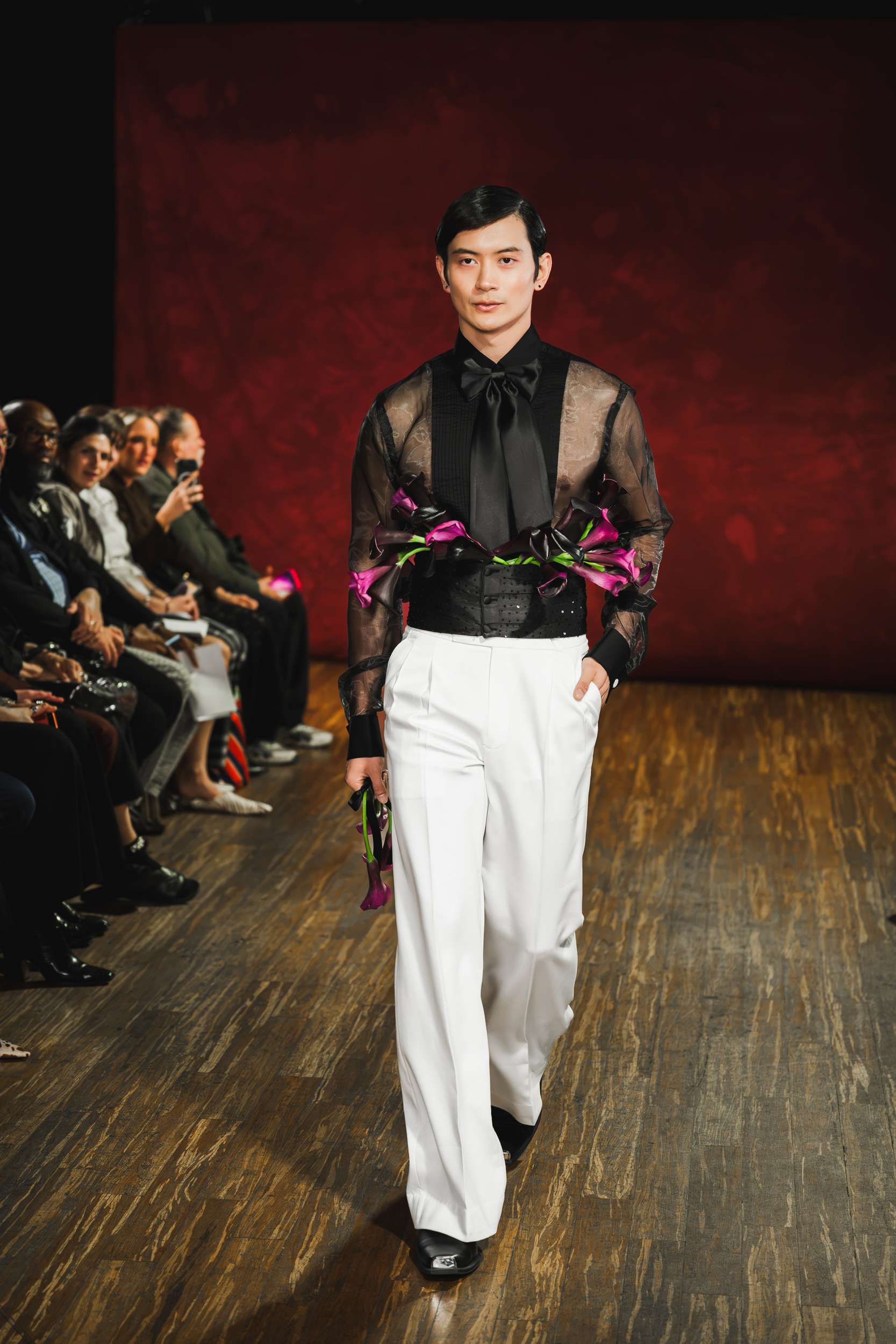
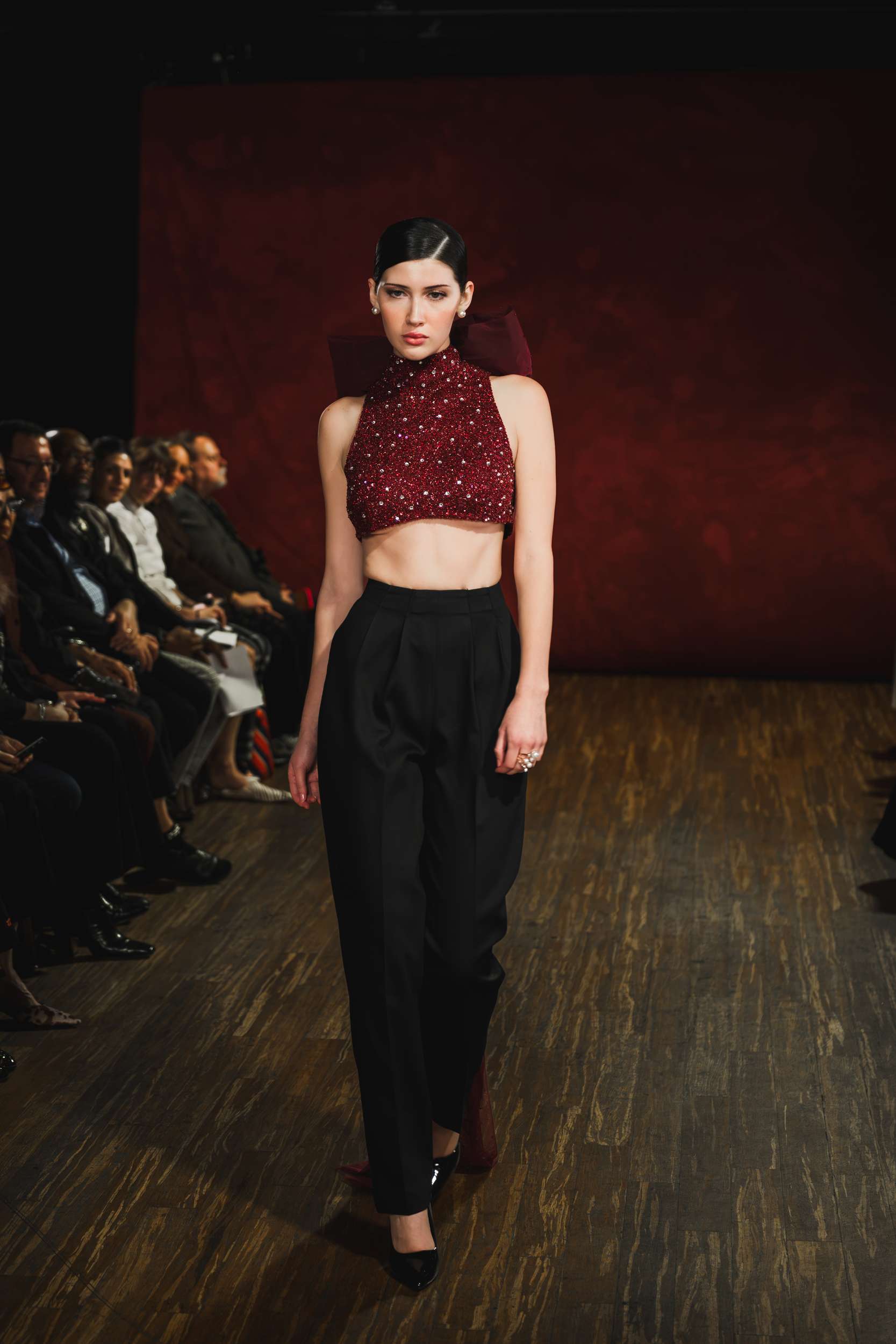
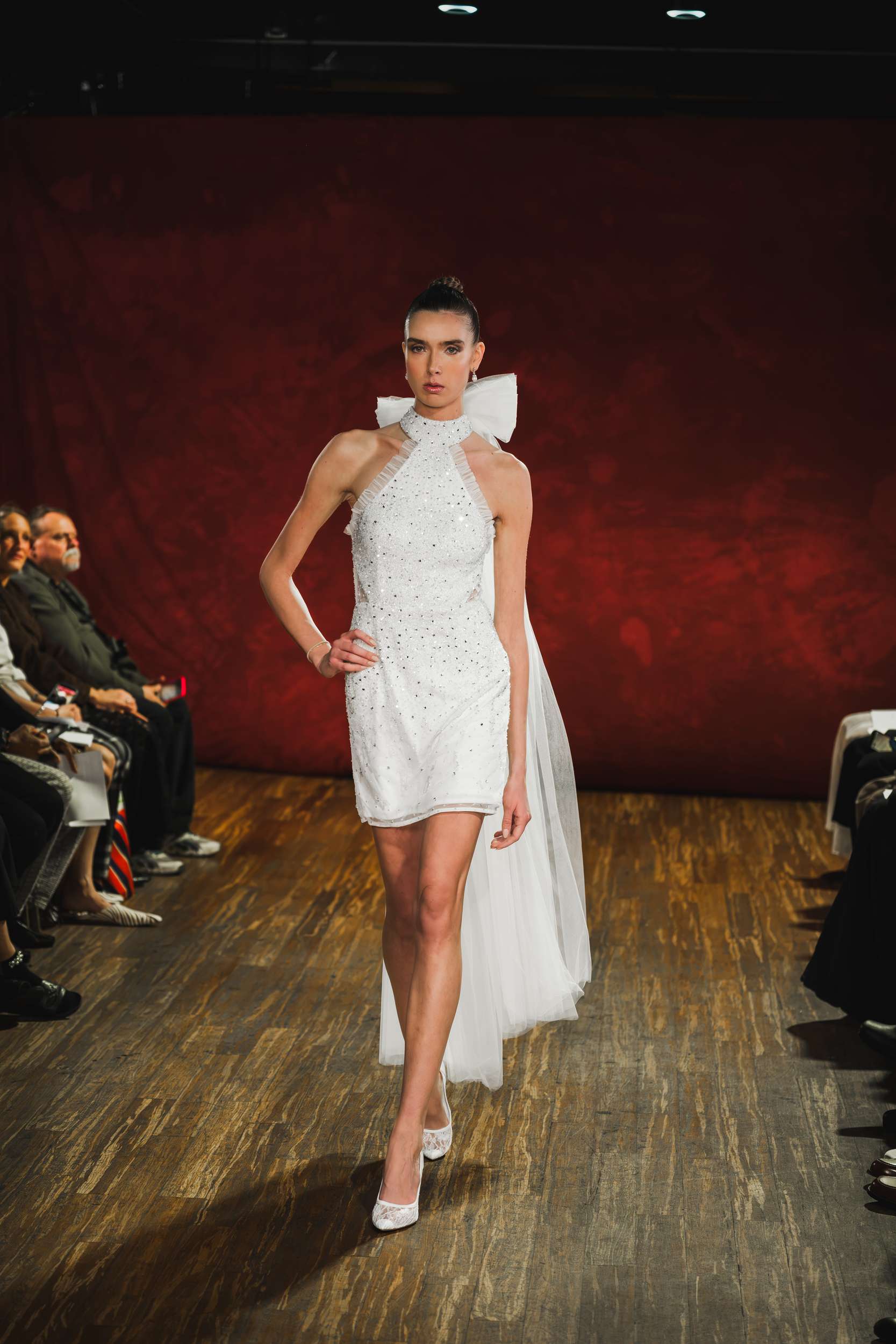
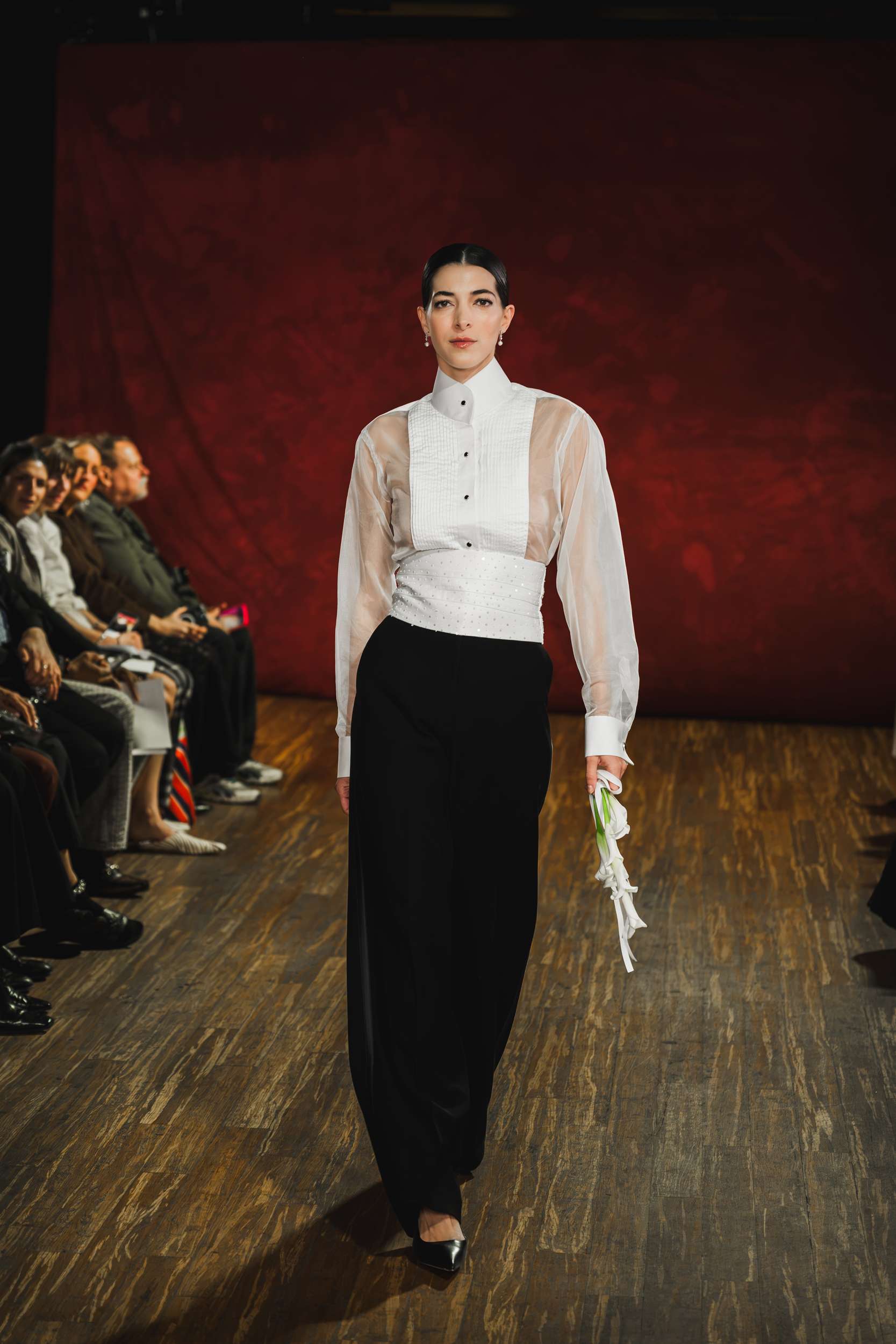
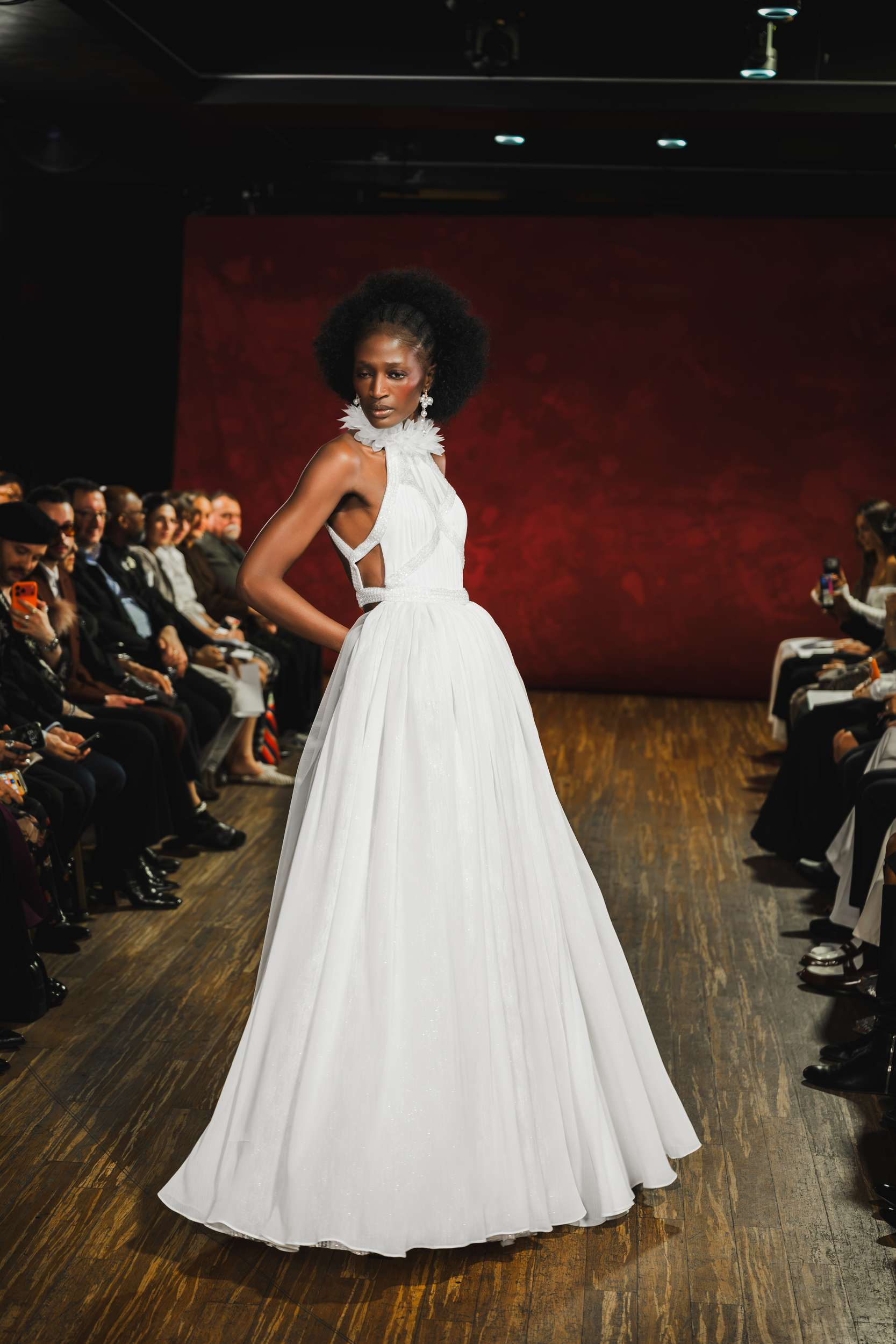
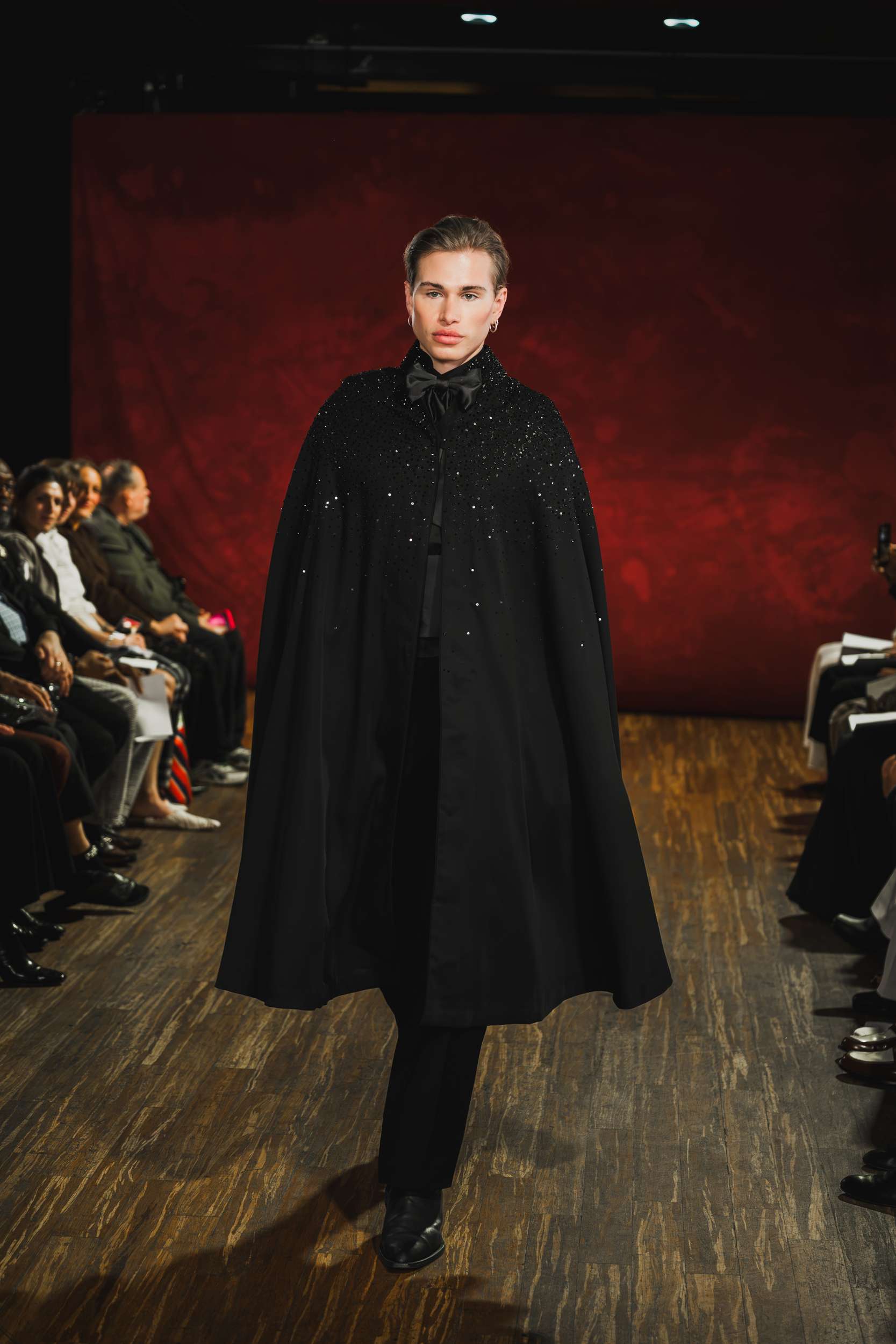
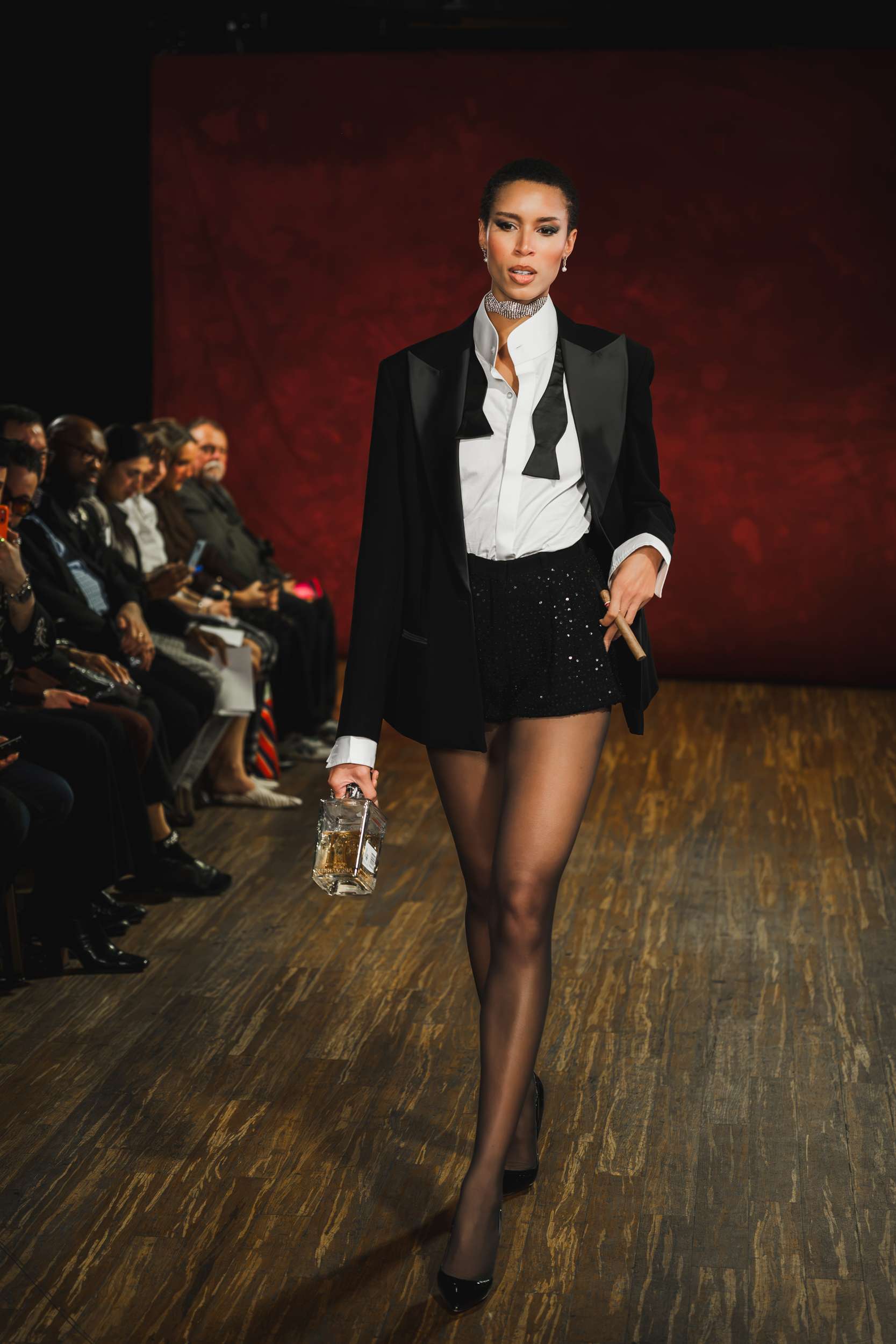
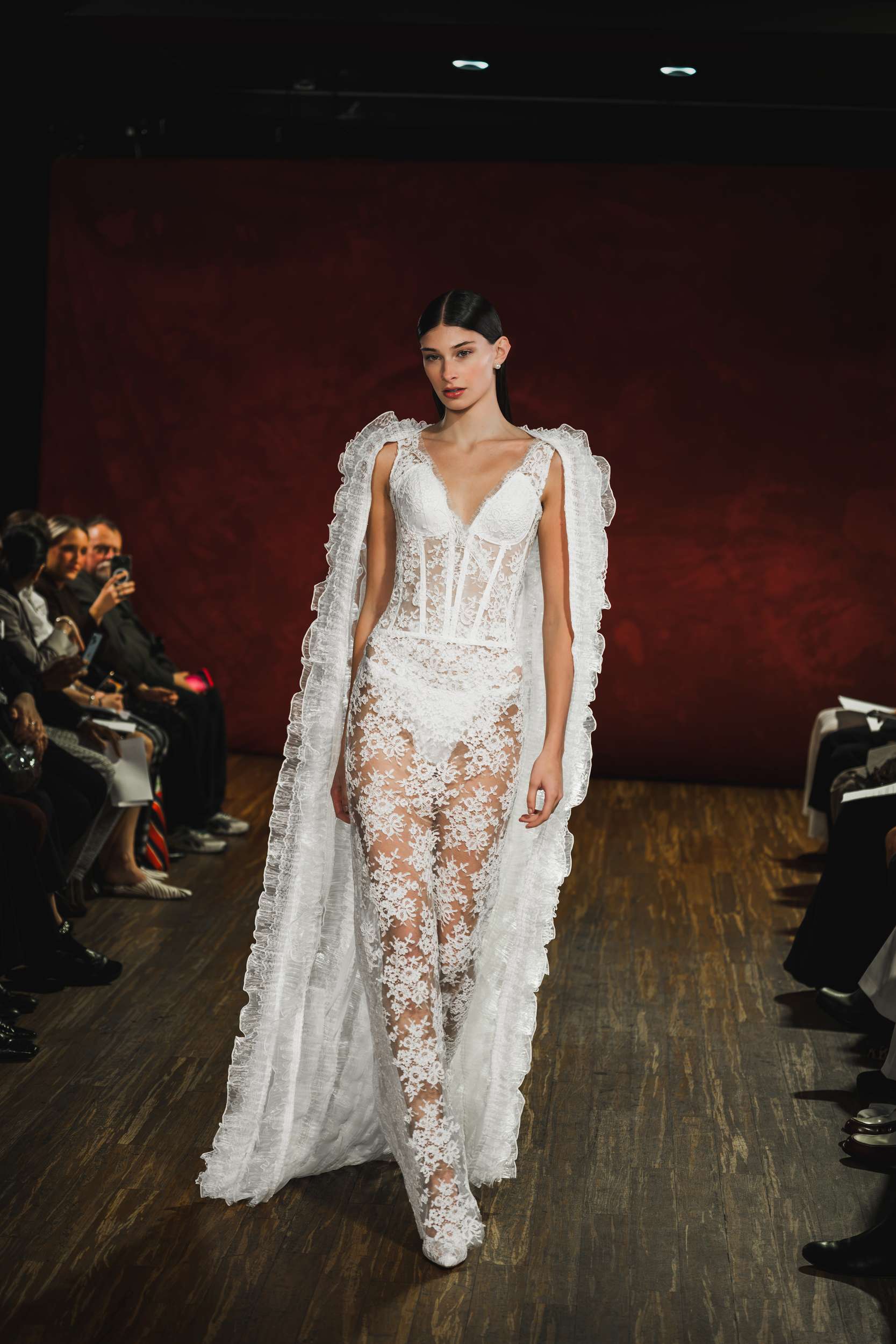
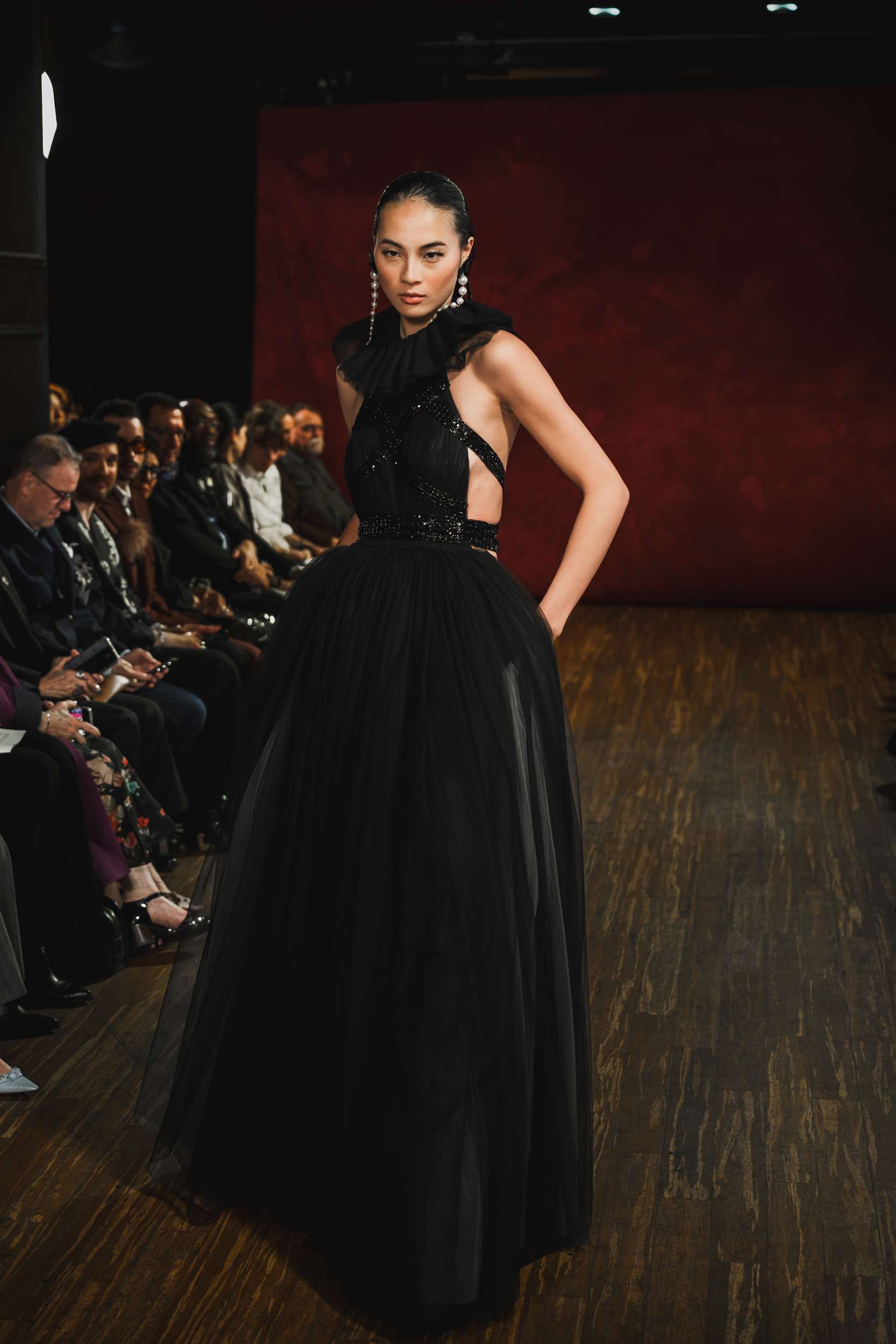
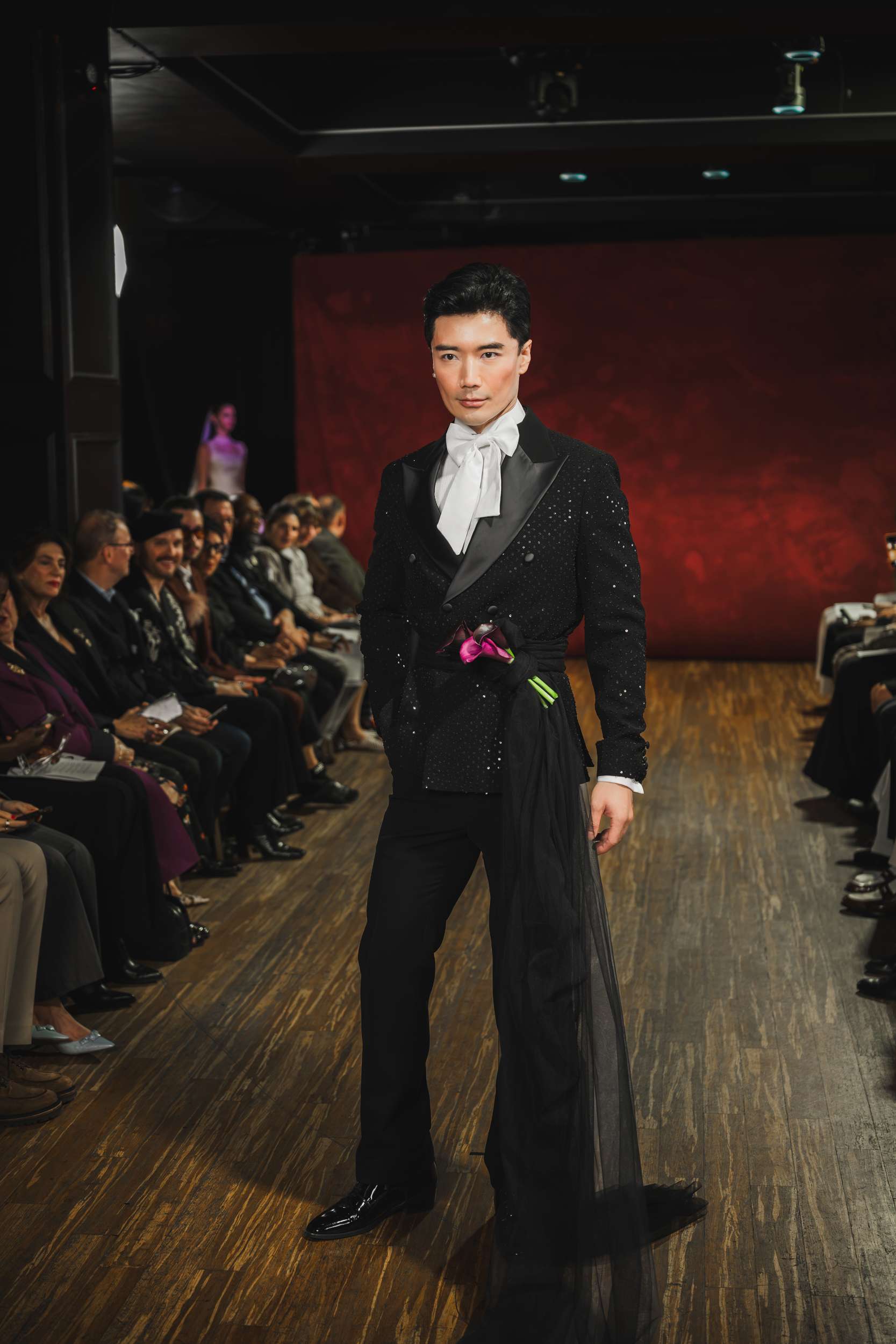
Fresh off the Project Runway Season 22 finale, the Vietnamese-American designer intentionally used his first bridal collection to do things, as he put it, “the Bi way.” Titled The Joy of Celebration, the collection was filled with personality: black wedding looks, sequined micro shorts, sculptural suiting, corsetry and obi belts, mesh panels, micro-pleats, velvet details, burgundy accents, and delicate Solstiss lace.
The clothes were stunning, yes, but the collection was unforgettable because of who was wearing them. Pham’s runway reflected the full gambit of modern newlyweds, with different ethnicities, body sizes, ages, genders, and sexualities all making their mark on the runway.
After the show, I asked Pham how he managed to create a collection that felt so personal to each model, yet so distinctly him. His answer explained everything. He cast the models first, then designed each look for them.
As Pham walked his finale, he cried, and I cried, and so did so many others in that room. And it wasn’t because we knew Bi. We were all just reacting to his authenticity. After the show, I didn’t hear conversations about trends, buyers, and sales. I heard talks about humanity and inclusion. It made it clear that the emotion in that room was driven by the way the diversity was so sincerely weaved throughout the show and designs.
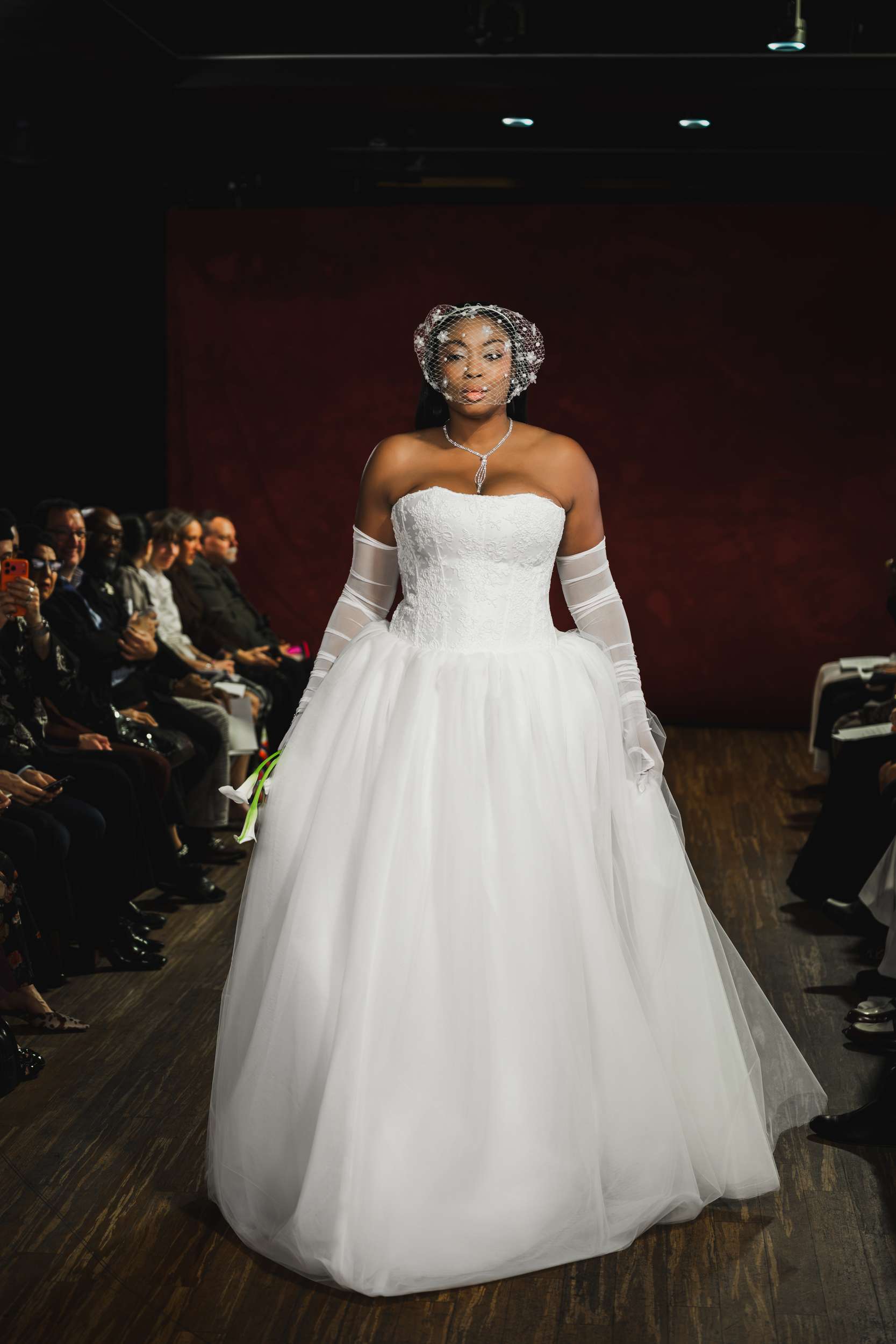
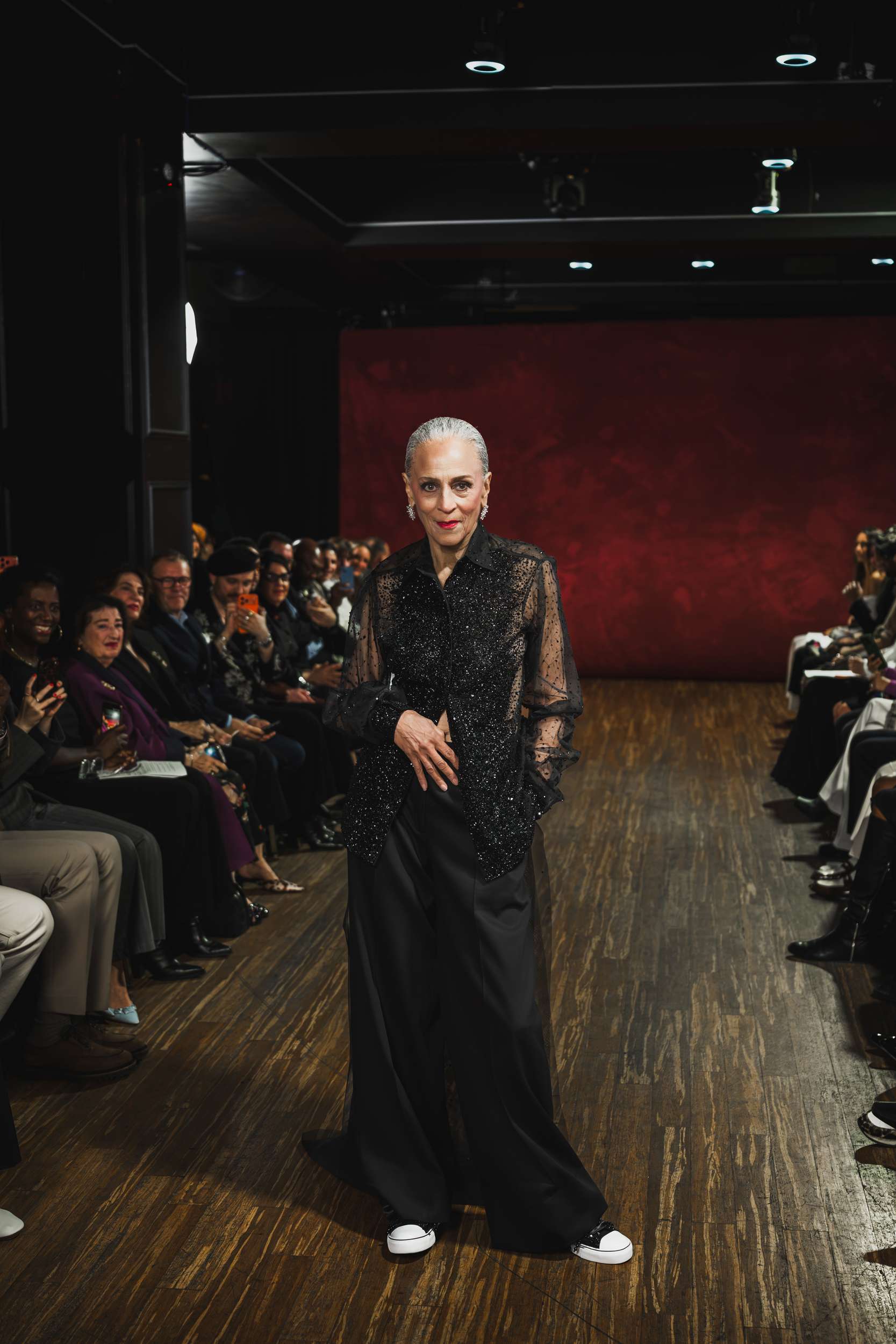
We’ve all gotten pretty darn good at spotting performative inclusion. We know what diversity looks like when it’s assembled by a marketing team, but this felt different. Every person on that runway looked like they belonged in those clothes because they actually did. The sequined micro shorts were designed for Jessica, a model with impossibly long legs. The structured corset gown was created specifically for curve model Liris. Legendary 78-year-old supermodel Alva Chinn walked the runway in a striking mesh top paired with impeccably tailored trousers. Every look felt intentional because it was.
And that’s where things get uncomfortable for the bridal industry.
If Bi Pham can walk into NYBFW with a debut collection that genuinely reflects the people buying wedding fashion, why are more established brands still struggling? I think it’s because the bridal industry has a very specific idea of who it believes is worth selling to.
Bridal fashion is an art form, but it’s also a business. Designers need retailers, retailers need customers, and in an industry where success can hinge on a relatively small number of gown sales, “playing it safe” often wins. The problem is that this just means the industry generally excuses excluding everyone who doesn’t fit a very narrow picture of what a bride is “supposed” to look like. As a fat fashion girlie, I’ve spent years watching brands treat plus-size customers as a financial risk rather than an underserved market. The same thing happens to queer couples and countless other communities that bridal brands claim to embrace without centering them in designs, campaigns, or fittings.
This logic becomes a self-fulfilling prophecy. Brands don’t market to certain customers, don’t design for certain customers, and then point to lower sales as proof that demand doesn’t exist. Pham’s collection dismantled that argument.
As a gay designer, inclusion wasn’t something Bi Pham added at the end of the process. “I mean, I’m gay myself, so I better not ignore my community. My God. Can you imagine?” he told me with a laugh. When I asked about performative diversity, he was equally blunt. “I’d rather brands stay true to themselves rather than faking it and doing it wrong because to me that is an insult to those communities. If you can’t deep dive into certain things, don’t do it. It’s almost like appropriation.”
He’s right. Too many bridal brands want the optics of inclusivity without doing the work required to understand the communities they’re trying to monetize. Pham’s suggests that all it takes is to build diverse teams, do the research, use the right model for the right look, and design with intention. Pham knew he was taking a risk with releasing such a daring collection in such a notoriously conservative market. His mentors even questioned some of his bolder design choices, like the black wedding gown, as he was creating it. But the biggest risk Pham took was trusting that modern customers are far more open-minded than the industry gives them credit for.
As the responses to Pham’s runway collection began to flood in, it became obvious that future clients and fans connected with the vision. People saw themselves in the collection. Turns out there’s a market for designing wedding fashion around real people. Who knew?
Perhaps the industry is finally catching up to what couples already understand. Modern weddings have become deeply personal. Couples are abandoning traditions that feel obligatory and keeping only the ones that feel meaningful. They’re ditching dress codes, venue requirements, and redefining marriage on their own terms. Wedding fashion is simply catching up.
When I asked Pham what message he wanted people to leave with after the show, his answer was refreshingly simple: “Have fun. Wear whatever you want to wear. If you want the big white gown, wear it. If you want to do a suit, that’s okay too.” Clothes should serve the person, not the tradition.
Bi Pham’s debut wasn’t remarkable because it was diverse. It was remarkable because it challenged one of the wedding industry’s favourite excuses. For years, brands have claimed they couldn’t afford to design for a broader range of people. Then, a first-time designer walked into NYBFW and proved that maybe they can’t afford not to.