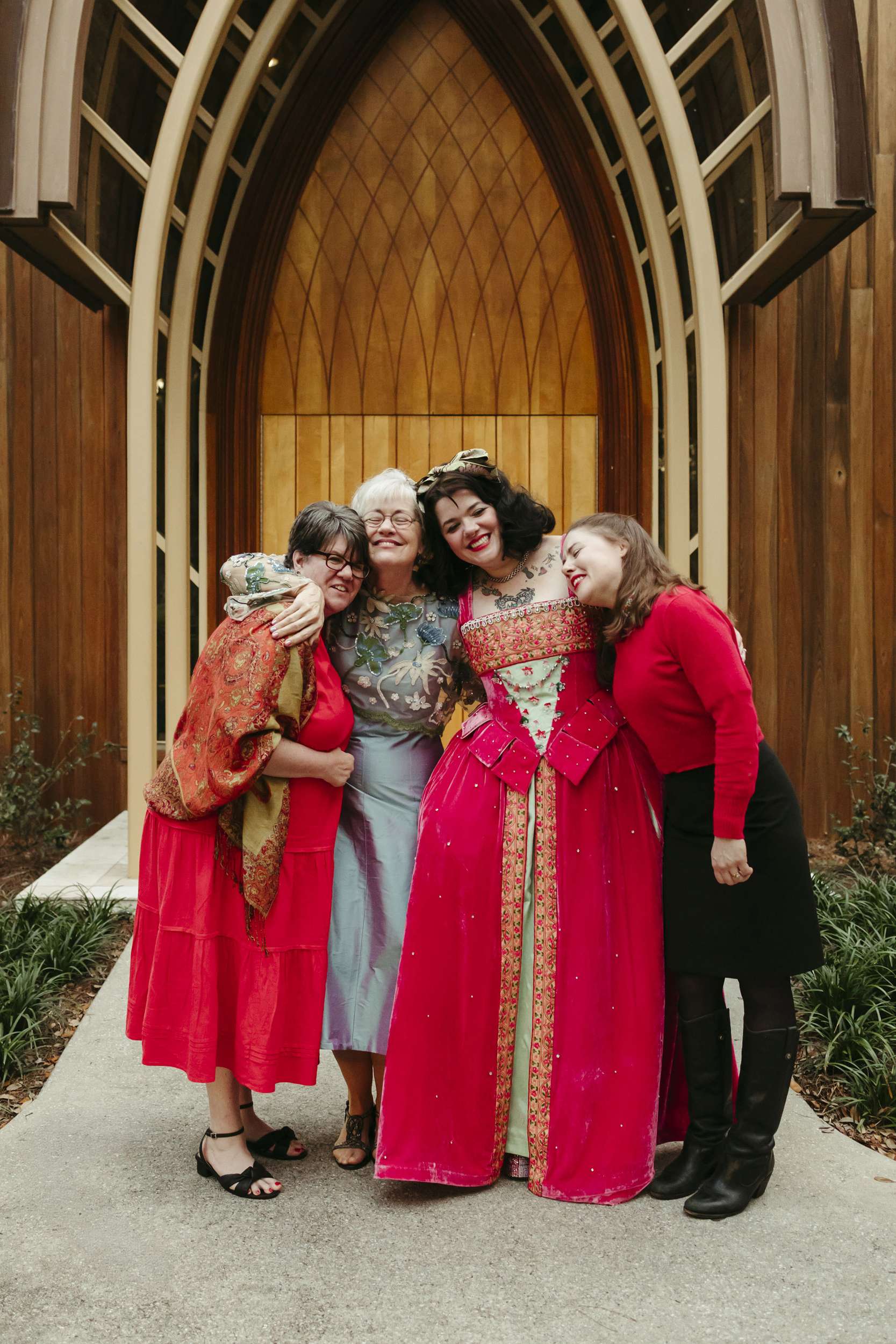
Wedding planning is supposed to be joyful. But for many mothers and daughters, it unexpectedly becomes emotional, tense, or explosive, and usually not because of flowers, seating charts or venues.
Weddings have a way of exposing relationship patterns that were already there quietly underneath the surface. That’s because a wedding symbolises much more than a single event. Psychologically, it often represents changing identities, shifting loyalties, increased independence, and evolving family roles. In other words: closeness and separation happening at the same time.
And that combination can stir up emotions people don’t always know how, or are afraid, to express direction.
Why “help” suddenly feels controlling
One of the most common wedding conflicts happens when a mother says: “I’m just trying to help.” And often, she sincerely is. But the daughter experiences that same help as pressure, criticism, intrusion, or emotional takeover. What’s happening underneath is usually more complicated than either person realises.
For many parents, weddings bring up:
Pride
Excitement
Grief
Loss
Fears about family loyalty
But instead of expressing those vulnerable emotions directly, people often express them sideways through logistics, opinion, urgency, criticism, or overinvolvement.
So underneath: “You really should invite your cousins.” May actually be: “I’m struggling with how much is changing.”
The problem is that the emotional meaning stays hidden while the conflict escalates around practical details instead.
The daughter often feels torn too
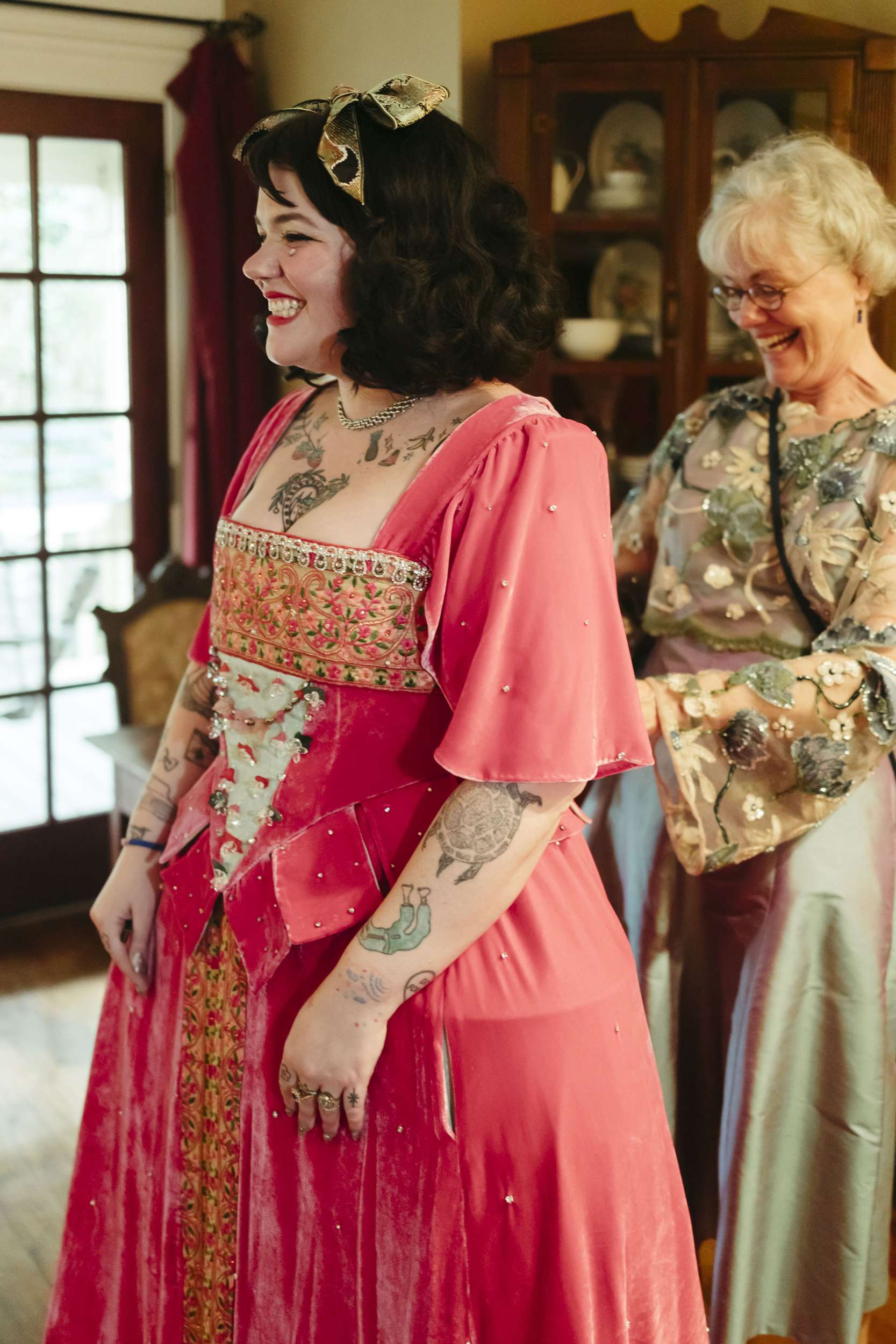
Brides are not simply pulling away. Many daughters deeply want closeness with their mothers during wedding planning. But they also want independence, autonomy, and space to make decisions that reflect their new adult identity and partnership. That emotional tension can become exhausting.
A bride may simultaneously feel:
Guilty for setting boundaries
Resentful about feeling controlled
Sad about disappointing people
Anxious about conflict
Pressured to keep everyone happy
Some brides cope by shutting down emotionally. Others become reactive or explosive. Others avoid conflict entirely and build resentment. Those responses usually reflect different ways of managing emotional overwhelm, not simply “being difficult.”
Weddings often amplify existing patterns
Wedding planning rarely creates entirely new relationship dynamics. More often, it magnifies existing ones.
Families that already struggle with boundaries may struggle more intensely.
Relationships built around people-pleasing may suddenly feel suffocating.
Relationships that depend on avoiding uncomfortable emotions may begin cracking under the pressure of major life changes and expectations.
This is especially true in close mother-daughter relationships. Ironically, daughters who have historically seemed very close to their mothers are sometimes utterly blindsided by conflict during wedding planning because neither person is accustomed to tolerating emotional separation or differing opinions. Healthy closeness requires the ability to stay emotionally connected while also allowing independence.
When that flexibility is missing, even small wedding decisions can start carrying enormous emotional weight.
Why conflict escalates so quickly
One reason wedding conflict becomes so emotionally intense is that the people stop revealing and start defending.
Instead of saying: “I think part of me is sad this is changing.” People say: “You’re being selfish.” Or instead of: “I’m overwhelmed and need more space.” They say: “Why can’t you just let me do this myself?” The practical issues become the focus, while the emotional reality underneath never gets fully addressed. And once people begin defending themselves, the relationship usually starts feeling less safe and more polarised.
What actually helps
The healthiest wedding planning conversations are not the ones without conflict. They’re the ones where people can tolerate:
Closeness without control
Independence without rejection
Differing opinions without emotional punishment
That means learning to express painful emotions more directly and less defensively. For example: “I know you care about this and I love that you’re excited. I’m just starting to feel overwhelmed and need a little more room to make decisions myself.” Or: “I think part of this is emotional for me too, and I may be getting over-involved.”
Those kinds of statements create understanding instead of escalation because they reveal what’s actually happening emotionally underneath the conflict.
The wedding is rarely the real issue
Most wedding conflicts are not truly about invitations, dresses, or family traditions. They’re about how people handle:
Change
Closeness
Independence
Emotional expression
Shifting identity
And while wedding planning can absolutely be stressful, it can also become an opportunity to recognise and interrupt old relationship patterns instead of repeating them automatically. Sometimes the most important thing revealed during wedding planning has very little to do with the wedding itself.
About the Author
Laura Dabney, M.D. is a psychiatrist, relationship expert, and founder of Relationship RX, a coaching and education platform focused on clarity in complex relationships. For over two decades, Dr. Dabney has worked with high-functioning adults struggling in painful relational patterns, often involving personality disorders, helping them understand what’s really happening beneath chronic conflict, emotional volatility, and repeated relational breakdowns. Her upcoming book I Need You… Now Go Away! Reclaiming Your Life When Someone You Love Has a Personality Disorder is now available for preorder.
Suppliers
- Photography: Celeste Burns Photography